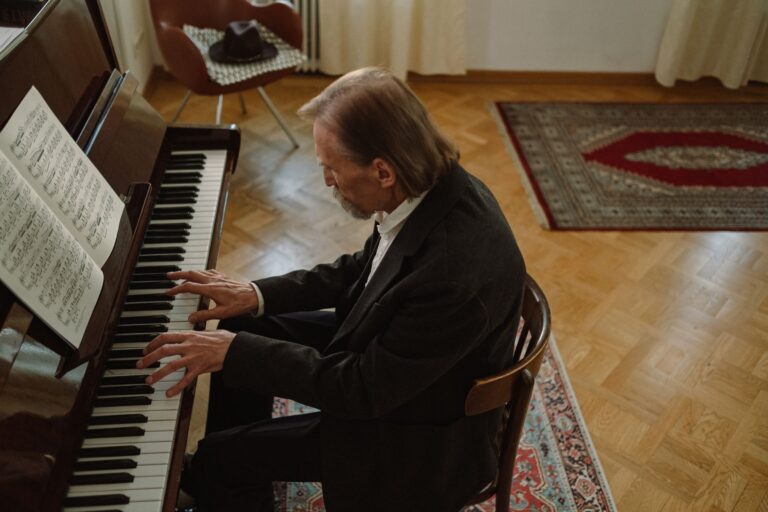
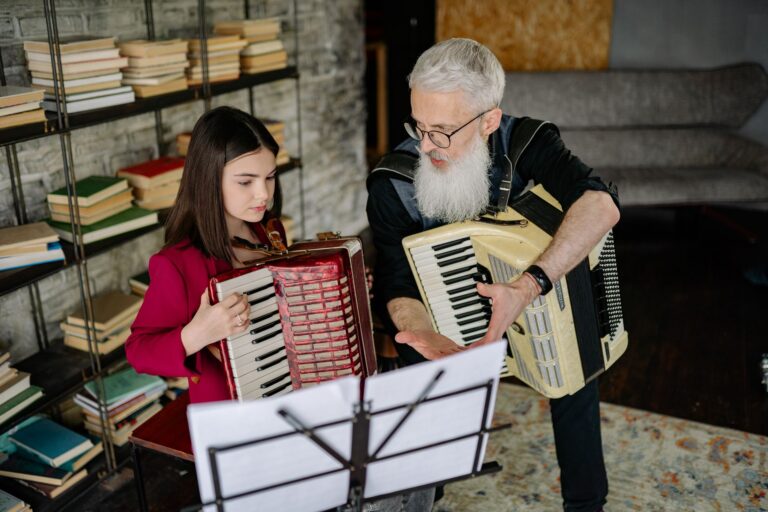
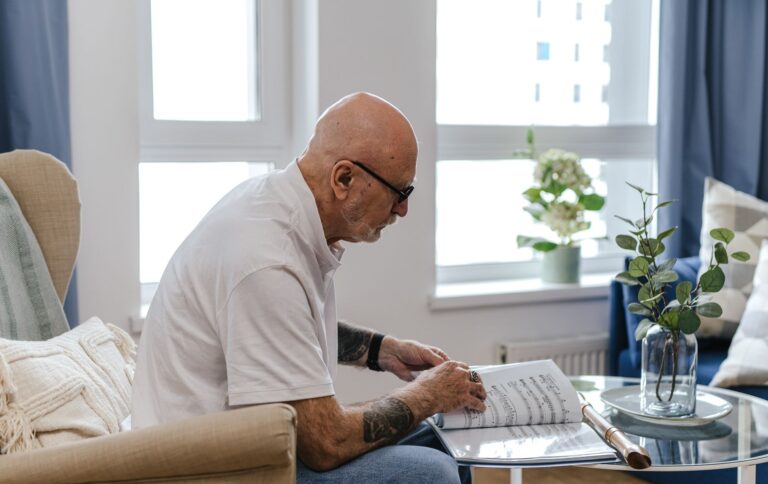
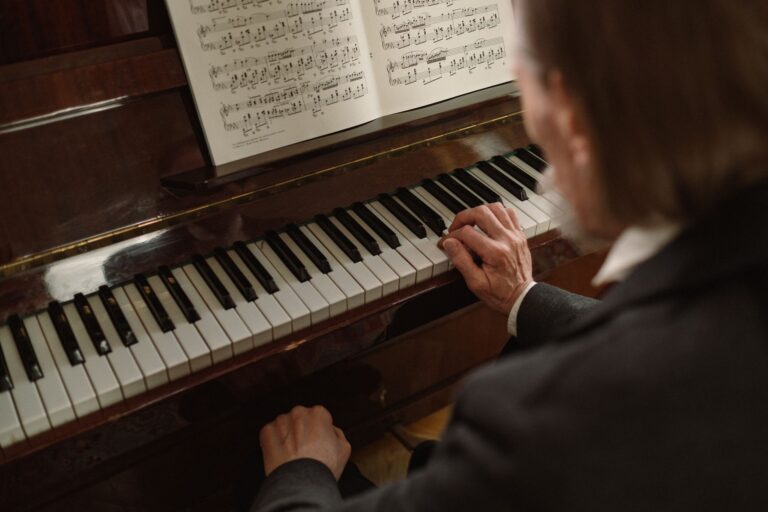
The most common barriers are limited movement and pain, hearing loss, hard travel and setup, and music activities built around standing or high effort. These barriers make singing, playing an instrument, and joining group music harder for people with limited mobility.
Here, dementia prevention means daily habits linked with lower dementia risk, not proven protection. In 10,893 Australians age 70 and older, always listening to music was linked with 39% lower dementia risk, according to the Monash University publication record. Often or always playing an instrument was linked with 35% lower dementia risk in the same cohort.
Medical information disclaimer: This article is for general educational purposes only and does not provide medical advice, diagnosis, or treatment. Always consult a physician or other qualified health professional about symptoms, medications, tests, or treatment decisions.
Table of Contents
- How limited mobility interrupts music
- What makes instruments and singing harder?
- Why do hearing, travel, and setup matter?
- What adaptations lower these barriers?
How limited mobility interrupts music
Capability barriers involve the body and the task itself. Among 862 adults age 60 and older in five Chinese communities, 29.6% of primary arts-participation barriers were capability barriers such as mobility limitation, pain, or difficulty with digital operations, according to the Frontiers in Public Health study. Opportunity barriers such as time, place, cost, and access made up 63.3%.
High-effort sessions can exclude people quickly. In Portuguese focus groups reported in the Journal of Clinical Medicine study, adults age 65 and older said activities needing much effort were inaccessible with mobility problems and knee pain. They also cited inaccessible transport and urban-concentrated services.
What makes instruments and singing harder?
Joint pain directly affects instrument practice. Arthritis affected 18.9% of US adults in 2022 and 53.9% of adults age 75 and older, according to the CDC Data Brief No. 497.
Pain, stiffness, and limited activity make holding, fingering, and sustaining practice harder. Singing and movement groups pose other physical demands. In the UK care-home evaluation reported in BMC Geriatrics, residents using mobility aids and residents with physical disabilities or dementia were the intended users of digital music-and-movement resources. Mobility and hearing problems still prevented full participation, while cognitive impairment limited staff delivery.
Why do hearing, travel, and setup matter?
Hearing loss changes both music enjoyment and dementia risk. Hearing loss accounts for about 7% of dementia cases worldwide and impairs music participation, according to the Annual Review of Public Health review. Hearing-aid use lags prevalence because of affordability and accessibility barriers.
Travel and setup decide whether practice happens at all. A nearby room, a ride, a chair, working audio, and help with phones or online access can matter more than motivation. When any link fails, people miss sessions, stop instruments, or avoid new groups.
What adaptations lower these barriers?
Adaptation keeps the musical part while lowering physical demand. The adaptation theme from the Journal of Clinical Medicine study and the danceSing care-home evaluation points to seated singing, low-effort adapted parts, amplified audio, nearby or remote access, and help with transport and setup. Useful changes to request include: Call ahead to reserve a chair near amplified sound and ask what setup help is available.
- seated singing or playing, with low-effort parts and rest breaks
- amplified sound, hearing-loop support, printed lyrics, and slower tempos
- nearby venues, phone or online access, plus help with travel and setup