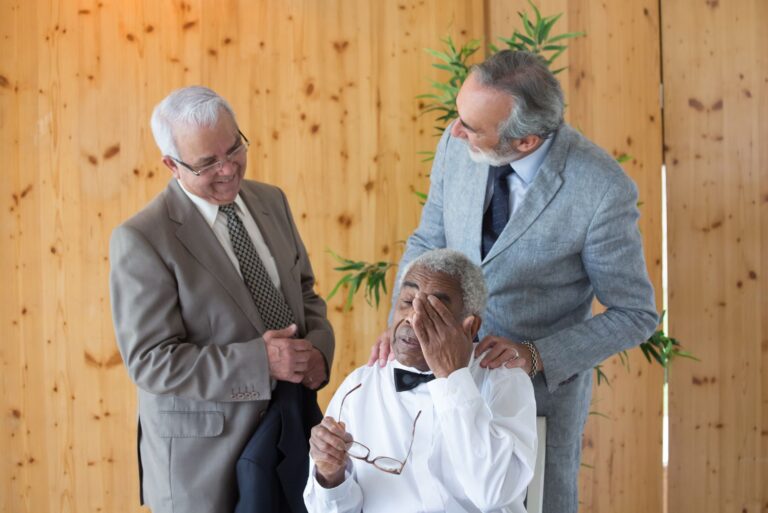
In 2026, dementia end-of-life research focuses on how people with dementia experience the final stage. Palliative care means comfort-focused care, and the gaps that hit adult children are late hospice referral, weak symptom control and missing care plans. Adult children often coordinate medical visits, daily help and family choices at the same time. When comfort care starts late, they decide about pain, breathing trouble and hospital trips without a clear plan.
Medical information disclaimer: This article is for general educational purposes only and does not provide medical advice, diagnosis, or treatment. Always consult a physician or other qualified health professional about symptoms, medications, tests, or treatment decisions.
Table of Contents
- What are researchers trying to fix first?
- Why does comfort care arrive late?
- Why does this fall hardest on adult children?
- What can you ask for now?
What are researchers trying to fix first?
Marie Curie reports that the 2025 James Lind Alliance refresh placed dementia first among palliative and end-of-life priorities, asking how patients, carers, family and friends experience this stage and what support helps most the 2025 priority refresh. The question is practical, not abstract: what does a better final months look like. A 2025 mixed-methods consensus study in Palliative Care & Social Practice named ten dementia palliative-care priorities.
They include assessment of pain, nausea, vomiting and breathlessness, plus treatment of distress and delirium. They also include staff training, cultural competence and end-of-life care for advanced dementia across settings. The 2026 PANEUCARE perspective in Frontiers in Medicine added culturally sensitive post-diagnostic care, stronger caregiver support and workforce development. It also called for wider trial inclusion and use of "palliative care" instead of stigmatizing "end of life" language.
Why does comfort care arrive late?
The University of Michigan reports that only 36% of U.S. adults age 50 and older say they know something about palliative care, while 64% know little or nothing; 68% know something about hospice the National Poll on Healthy Aging results. That gap leaves many adult children to choose comfort care, hospice or hospital care without basic terms.
A 2025 study in Clinical Interventions in Aging found substantial gaps among community family physicians and hospital internists in recognizing advanced dementia and referring promptly to hospice. Advance care planning also remains vastly underused in primary care for cognitive impairment and dementia, according to the NIA IMPACT Collaboratory pilot program. The result is delayed comfort-focused care for patients who could qualify sooner.
Why does this fall hardest on adult children?
A 2025 systematic review and meta-analysis reports that adult children provide 43% of dementia family caregiving, nearly equal to spouses at 44%. Female caregivers report significantly higher burden than males, which concentrates time, work and health effects on daughters. The scale is large.
The Alzheimer's Association reports that nearly 12 million U.S. family members provided more than 19 billion hours of unpaid Alzheimer's and dementia care in 2024, valued at $413.4 billion, with lifetime dementia care costs estimated at $405,362 and 70% borne by families the 2025 caregiver report. Long years of help before death make late support more costly in money, sleep and missed work.
What can you ask for now?
Ask the primary-care team for a symptom check, a goals-of-care talk and a written plan. Name the person who can decide if your parent cannot, and ask when palliative support or hospice review fits. Bring one page to the next visit with current symptoms, medicines, hospital visits and your parent's stated wishes, and ask the clinician to file it in the record.
- Ask how pain, nausea, breathlessness, distress and delirium will be checked.
- Ask what comfort care can start now, and what would trigger hospice review.
- Ask for the agreed goals, preferred setting and next contact to be written down.
- Ask for caregiver support and culturally matched help when needed.
You Might Also Like
- Dementia Subtype Data Gaps Identified by NIA in 2026: Who Was Studied and Who Was Not for Adults With Memory Concerns
- Adult Day Services Research Priorities in the 2026 NIA Report: Questions Working Dementia Caregivers Can Ask Local Care Programs
- The House Passage of the AADAPT Dementia Training Act in 2026: Questions Family Caregivers Can Ask a Provider