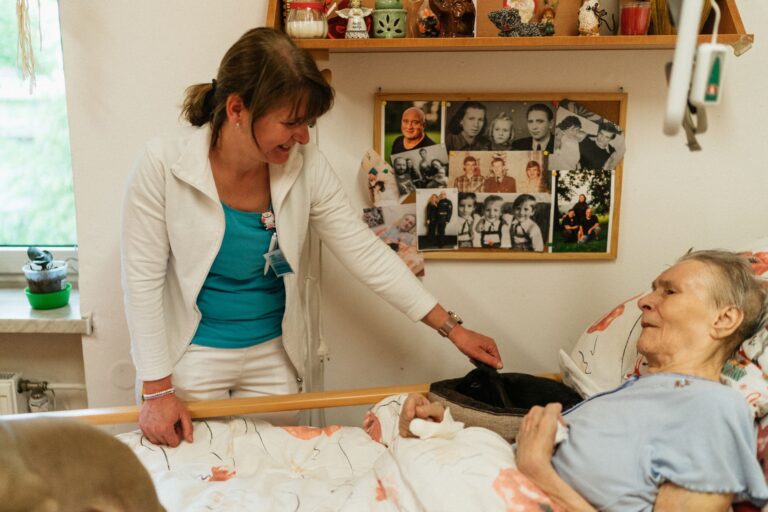
Adult day services are daytime supervised programs that care for people with dementia while family caregivers work or rest. The 2026 NIA summit report points that setting toward stronger caregiver support, closer health coordination, and easier respite, which working caregivers can turn into direct questions for local programs. The NIA IMPACT Collaboratory's event listing shows the virtual summit met March 17-19, 2026 to review progress and name unmet dementia-care needs 2026 summit listing. The resulting report details research gaps and opportunities rather than naming one best care model.
Medical information disclaimer: This article is for general educational purposes only and does not provide medical advice, diagnosis, or treatment. Always consult a physician or other qualified health professional about symptoms, medications, tests, or treatment decisions.
Table of Contents
- Does the program add support beyond daily supervision?
- How will the center share health changes with our doctor?
- Can respite fit a work schedule and budget?
- What should I ask on one call or tour?
Does the program add support beyond daily supervision?
Ask whether staff offer counseling, education, or referrals for caregivers, not only activities for participants. In a 34-site NIA-funded trial, adding staff-delivered ADS Plus counseling, education, and referrals reduced caregiver depression scores compared with adult day services alone at 12 months PMC trial follow-up.
Ask who delivers that support, how often, and whether meetings fit work hours. Ask if evening phone check-ins, written care tips, or community referrals are included. Programs with a named contact and a clear follow-up plan are easier to use while employed.
How will the center share health changes with our doctor?
Regular staff observation can catch appetite loss, falls, confusion, sleep shifts, or mood changes early. NYU nursing researchers are testing better links between adult day centers and primary-care providers to reduce preventable emergency visits and hospital stays.
Ask what staff track each day and where they record it. Ask who sends updates to the primary-care provider, how fast urgent changes are reported, and how you receive copies. Clear written updates save workday calls and missed signals.
Can respite fit a work schedule and budget?
Short breaks matter because many caregivers stay employed while providing care. Adult Day Care Centers, citing the 2025 AARP and National Alliance for Caregiving survey, report about six in 10 caregivers are employed and 39% say respite would help, but only 13% use it over trust, cost, and quality concerns 2025 respite summary.
Ask about start times, late pickup, part-week plans, trial days, staff ratios, and total fees. Also ask about outside help with cost, since the Centers for Medicare and Medicaid Services says its GUIDE dementia model pays for coordination plus respite up to $2,500 yearly, rising to $2,625 in performance year 2026, for home, adult-day, or facility relief GUIDE model page.
What should I ask on one call or tour?
Bring a short list and write down names, hours, and next steps. Focus on fit for workdays, communication, and backup coverage.
Tour during active hours, watch staff tone, meals, cleanliness, and engagement. Choose the program that answers in writing and names a contact for schedule changes.
- What hours, drop-off windows, and late-pickup rules apply for working families?
- What caregiver counseling, training, or referrals come with enrollment?
- How do you report health changes to families and primary-care providers?
- What does a full day cost, what is included, and what aid or GUIDE-linked respite can apply?
You Might Also Like
- Early Dementia Diagnosis Economics in the 2026 NIA Report: Questions Working Dementia Caregivers Can Ask Local Care Programs
- Community-Academic Dementia Partnerships in the 2026 NIA Report: Questions Working Dementia Caregivers Can Ask Local Care Programs
- Care Navigation Research Priorities in the 2026 NIA Report: What the Report Means for Working Dementia Caregivers