WHO released the second edition of its guideline "Risk reduction of cognitive decline and dementia" on 15 July 2026, updating the 2019 edition, according to the WHO announcement. Adults over 65 without dementia can build a realistic brain health plan from daily movement, healthy eating, mental and social activity, and control of vascular and hearing risks. Dementia means a loss of memory, thinking, and daily function that goes beyond normal aging. Cognitive decline means a gradual drop in those abilities, and this guideline focuses on slowing that process before dementia starts.
Medical information disclaimer: This article is for general educational purposes only and does not provide medical advice, diagnosis, or treatment. Always consult a physician or other qualified health professional about symptoms, medications, tests, or treatment decisions.
Official resources:
- Read the official guidance from Who — Use this primary source to verify the official guidance.
- Read the official guidance from Who — Use this primary source to verify the official guidance.
Table of Contents
- Who should use this guidance
- Which daily habits carry the most weight?
- Which medical risks need active control?
- Should you consider hearing aids or supplements?
- How to turn advice into a weekly plan
Who should use this guidance
This advice is for adults without dementia, including people with normal thinking and people with mild cognitive impairment. Mild cognitive impairment means noticeable memory or thinking changes that do not block daily life. Most independent adults over 65 planning prevention fall into one of those two groups.
It is a risk-reduction plan, not a guarantee and not a treatment for dementia. It fits people who want clear next steps while they are still thinking well or noticing only mild changes. People with dementia need medical care and support plans, not prevention steps alone.
Which daily habits carry the most weight?
WHO recommends regular physical activity, a healthy diet, limiting harmful alcohol use, stopping tobacco, plus mental stimulation and social activity especially in older age, according to the Global Dementia Observatory launch summary. For adults over 65, the practical mix is move often, eat balanced meals, stay connected, and keep the brain active. A workable week can look simple and repeatable.
Aim for brisk walks, strength and balance work, shared meals with vegetables and whole foods, and a fixed social date. Small doses still count when health, joints, or energy limit activity. Choose chair exercise, short walks, phone visits, or library groups rather than skipping the habit. Track what you did, not how well you performed.
- Walk most days, add light strength work twice weekly
- Cook one simple healthy meal on repeat
- Join a club, class, volunteer shift, or weekly call
- Read, learn, play, or solve things that require focus
- Limit alcohol, avoid tobacco, protect sleep
Which medical risks need active control?
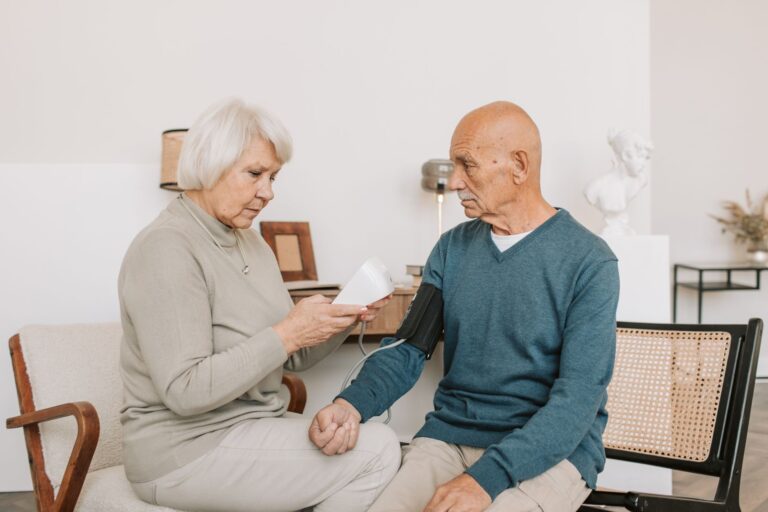
Blood pressure, blood sugar, weight, cholesterol patterns, and hearing loss shape later brain risk. WHO points to managing hypertension, diabetes, obesity, and abnormal blood fats, alongside hearing loss. Control means measured targets, regular checks, and prescribed treatment when needed. Older adults benefit most from joining these checks to routine primary care.
WHO urges countries to place brain-health actions inside primary care, chronic-disease, mental-health, and healthy-aging programs, including combined lifestyle programs and lower air-pollution exposure. Ask your clinic to review blood pressure, diabetes, weight, cholesterol, mood, hearing, smoking, alcohol, activity, and diet together. Bring recent numbers and medication lists to each visit. Ask what target applies to you, what change comes first, and when to recheck. Treat hearing, vision, mood, and sleep as part of the same review.
Should you consider hearing aids or supplements?
WHO says hearing aids may be offered to adults with hearing loss to lower cognitive-decline risk, according to the WHO publication. Hearing Practitioner Australia reporting on the guideline notes that advice is conditional because the certainty of evidence is low, so it is an option to discuss rather than proof of prevention, described in its July 2026 report. That distinction matters for decisions after 65. Get hearing tested when conversation gets harder, TV volume rises, or family notices missed words.
If loss is found, ask about hearing aids, fitting, follow-up, and cost before deciding. WHO does not recommend vitamin B or E, omega-3, or multivitamins to prevent dementia in people without diagnosed deficiency. Food habits and disease control offer more value than added pills. Correct a proven deficiency with medical advice, but do not buy supplements for brain protection alone.
How to turn advice into a weekly plan
Pick two actions for the next month, not ten. Many adults start with walking and blood-pressure control because both support heart and brain health. Add diet, sleep, mood, social, and thinking activities once the first two feel steady.
Write the plan where you will see it. Name the day, time, place, and backup option for bad weather or low energy. Ask a family member, friend, or clinic team to check progress at four weeks and adjust targets. Bring this list to your next primary-care visit and ask which two steps to start first.