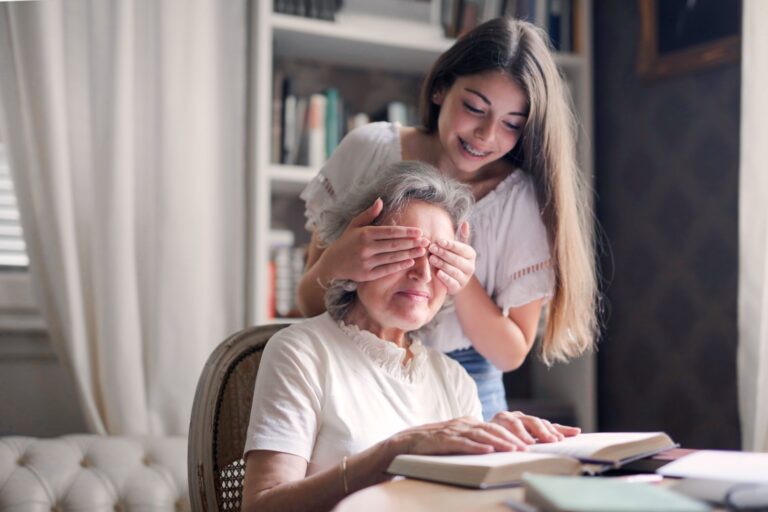
To start a caregiver book club for a memory care community, recruit 3-8 caregivers and residents, partner with the lifestyle or activities team for space and scheduling, and choose accessible formats from the start. Meet regularly in a quiet, accessible room with short, familiar books and read-aloud time so listening counts as participation. A caregiver book club here means a small reading and discussion group that supports both family and professional caregivers and includes people living with memory loss. It gives caregivers peer connection and gives residents engagement, reminiscence, and social time.
Medical information disclaimer: This article is for general educational purposes only and does not provide medical advice, diagnosis, or treatment. Always consult a physician or other qualified health professional about symptoms, medications, tests, or treatment decisions.
Table of Contents
Who should you invite?
Recruit through families, neighbors, assisted-living staff, or a home-care agency, as the Burd Home Health guide recommends in its seniors book-club guide. Aim for three to eight steady members to keep conversation manageable.
Ask the community's lifestyle or activities team to co-host, reserve space, and add meetings to the activity calendar. Include staff caregivers as well as family caregivers when possible. That mix helps with coverage, reminds residents of familiar faces, and keeps the group going during busy caregiving weeks.
What should you read?
Choose accessible formats from the outset, including large-print books, audiobooks, eReaders, and free library e-book apps such as Libby. Do not require everyone to buy the same print edition. Supplied copies, library loans, and audio options lower cost and help members with low vision or limited reading time.
For memory-care participants, HelpDementia.com recommends short, familiar books with simple language in its memory-care book-series guide. Good picks include poetry collections, short stories, memoirs, familiar classics, and books tied to members' life experiences. For caregiver-focused discussion, try a dementia memoir or practical caregiving book that invites reflection.
How should you run meetings?
Two working models show options. Seattle's Memory Hub Books and Beats is a library-led monthly discussion that spends two months on each book with supplied copies. Respite Care Charleston's Caregivers Reading Room is an online group where Alzheimer's and dementia caregivers read, reflect, connect, and discuss a memoir with the author present.
- Meet monthly in a quiet, comfortable, accessible room with few distractions.
- Read aloud in brief sessions, pause for questions, and invite memories.
- Let listening alone count as participation for residents who do not read.
- Consider discussing one book over two months to reduce pressure.
What difference can it make?
A University of Northern British Columbia pilot study of eBook clubs in long-term care found apathy prevalence fell from 55% to 35% with significantly lower mean apathy scores, as reported in the pilot-study report. A 2025 University of Florence systematic review found group reading could improve self-rated health and reduce depressive symptoms, while dementia-caregiver bibliotherapy trials improved caregiving appraisal, coping, knowledge, and attitudes, according to the systematic review.
Benefits still vary by method and population, with one caregiver trial improving only personal growth. Use a trained facilitator and a safe, confidential format, as in Alzheimer's Association support groups offered by phone, video, or in person.