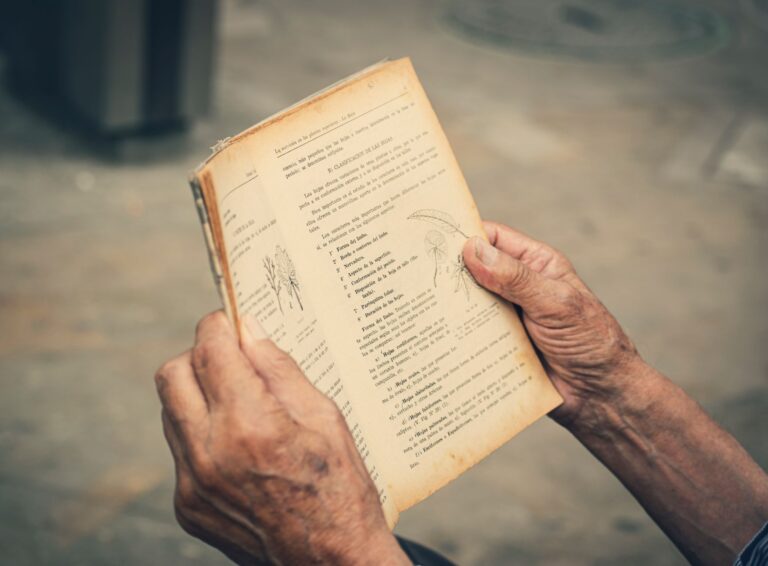
The best children's books for explaining dementia to grandchildren are The Remember Balloons, Grandma and Me: A Kid's Guide for Alzheimer's and Dementia, and Wilfrid Gordon McDonald Partridge. They give forgetfulness a clear picture, simple words, and a way to stay connected. Dementia means ongoing loss of memory and thinking skills that makes daily life harder. These stories help a child understand why a grandparent repeats questions, forgets names, or acts differently.
Medical information disclaimer: This article is for general educational purposes only and does not provide medical advice, diagnosis, or treatment. Always consult a physician or other qualified health professional about symptoms, medications, tests, or treatment decisions.
Table of Contents
- Which picture books explain memory loss most clearly?
- Where can families find more vetted titles?
- How should you share the book with a child?
- What should families do after the story ends?
Which picture books explain memory loss most clearly?
The Remember Balloons, by Jessie Oliveros, shows James's grandpa holding memories as balloons that float away as his condition progresses. According to Simon & Schuster, the book was published Aug. 28, 2018, and uses Alzheimer's-related memory loss as its central image on the publisher page. The visual makes gradual loss concrete without frightening detail. Grandma and Me: A Kid's Guide for Alzheimer's and Dementia, by Beatrice Tauber Prior and Mary Ann Drummond, combines story with factual explanation of symptoms.
Publisher listing information places it for ages 4-7. It suits a young child who needs short sentences and direct reassurance. Wilfrid Gordon McDonald Partridge, by Mem Fox, follows a boy living beside a nursing home who learns his friend Nancy Alison Delacourt Cooper is losing her memory. He gathers memory-triggering objects for her. The focus stays on kindness and continued friendship.
Where can families find more vetted titles?
Dementia UK maintains a dedicated children's list including Big Bear, Little Bear and Dementia, Granny Forgets, Grandpa Forgets, and A Kid's Guide to Dementia, described on its children's book list. The collection helps grandchildren recognize common symptoms across different families. A family can pick one that matches the child's age and the grandparent's changes.
AARP caregiving experts also recommend reading together Grandma, It's Me! by Y.Y. Chan, Nana Nana by Nate Bertone, and Grandpa's Magical Mind. These titles normalize changed grandparent behavior. Reading two books over time can show that forgetfulness has many forms.
How should you share the book with a child?
Name the condition directly, read together, and keep the talk calm and brief. Alzheimer's Society UK advises adults to be clear, calm and honest, give information in small steps, and expect children often notice more than parents realize, as explained in its guidance for talking to children.
Pause after a few pages and ask what the child noticed. Singapore's DementiaHub gives the same approach: name dementia directly, repeat and simplify for comprehension, and reassure children about love and blame, detailed in its advice on talking to children. Short talks work better than one long lesson.
- Say the word dementia and link it to one symptom.
- Repeat and simplify the explanation to fit the child's understanding.
- Reassure the child that accusations or blank moments come from disease, not lost love.
- Leave room for feelings such as sadness, anger, embarrassment, or worry.
What should families do after the story ends?
Treat books as starting points, not full explanations. Guidance stresses tailoring language to age, planning shared activities with the person with dementia, and inviting ongoing questions as the illness worsens. A preschooler may need one idea per day, while an older child can handle more cause and effect.
Protect the relationship with simple shared time. Sing familiar songs, look at photos, take a short walk, sort objects by color, or read again together. Choose activities the grandparent can still enjoy and let the child help in a small role, such as holding the book or choosing the song.