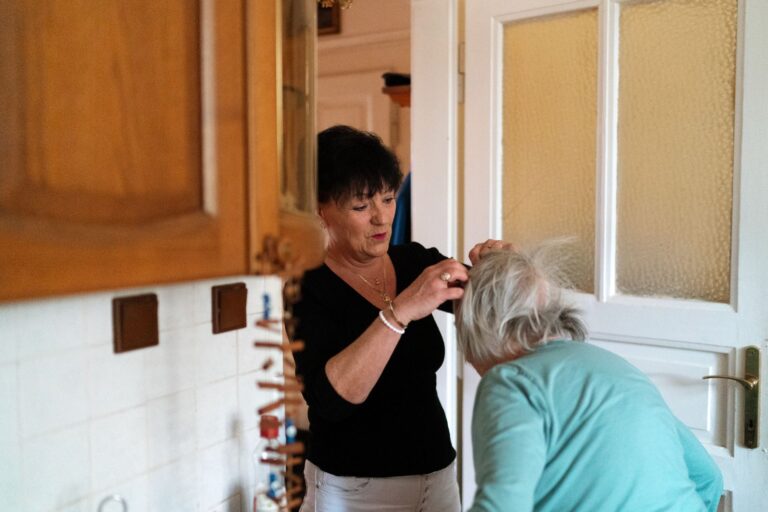
Live-in dementia care for a spouse means a spouse or hired caregiver lives in the home and gives round-the-clock supervision and daily help. A sound arrangement needs a written contract that sets duties, hours, pay, sleep time, and exit terms, plus screening for hiring and payment red flags.
Many spouses start without a contract because the caregiver is family. That gap creates disputes over pay, rest, and what happens when needs grow. Clear terms protect both partners and make outside help easier to add.
Medical information disclaimer: This article is for general educational purposes only and does not provide medical advice, diagnosis, or treatment. Always consult a physician or other qualified health professional about symptoms, medications, tests, or treatment decisions.
Table of Contents
- What should the contract spell out?
- How do wages and sleep time work?
- What hiring red flags matter most?
- When is live-in care at home no longer enough?
What should the contract spell out?
Put the deal in writing, even between spouses. The American Council on Aging says a live-in family agreement should list duties, schedule, and sleep and off-duty rules. It should also set pay, overtime, time off, expenses, room-and-board treatment, and how either side ends the deal, according to personal-care agreement guidance. Be specific about daily tasks and limits.
Name bathing, meals, medicines reminders, night checks, driving, and housework. Name what the caregiver will not do. The American Council on Aging also notes a written deal between spouses to pay one spouse for care is allowed as a contract. It says Medicaid treats that spousal deal as ineffective for spending down excess assets to meet eligibility limits. Price pay at local market rates and keep time records.
How do wages and sleep time work?
The U.S. Department of Labor states directly family-employed live-ins who reside permanently or for extended periods are exempt from overtime. They are still owed federal minimum wage for all hours, while agency-employed live-ins must receive overtime after 40 hours. Sleep rules need a separate clause. The U.S.
Department of Labor says an employer and worker may agree in writing to exclude up to eight hours of sleep only with adequate sleeping facilities and largely uninterrupted sleep, under direct-care sleep-time guidance. Interruptions count as paid work. Write who covers a broken night. State the backup person, call pay, and when the shift restarts. Vague sleep terms lead to fatigue and wage disputes.
What hiring red flags matter most?
Watch for earnings promises, sign-now pressure, and unclear cancellation terms. The Federal Trade Commission alleged care platform Care.com vastly overstated available jobs and earnings while blocking simple membership cancellation, in Care.com case history. That action led to an $8.5 million settlement and more than $8.1 million in refunds sent in June 2025.
The Federal Trade Commission explains a spouse who signs a $25-or-more home-solicited care contract at home can cancel until midnight of the third business day and receive a full refund, in its Cooling-Off Rule explainer. The seller must disclose that right. The Consumer Financial Protection Bureau with CMS also warns federal nursing-home rules bar Medicare and Medicaid facilities from requiring a spouse or other third party to personally guarantee payment.
- Job ads promise high pay but list few local openings
- Contract hides hourly rate, overtime, sleep hours, or time off
- Seller resists written terms or a home-signed cancellation notice
- Facility asks a spouse to personally guarantee payment
- Agency will not name the employer of record or backup cover
When is live-in care at home no longer enough?
Plan respite before exhaustion forces a rushed move. The Alzheimer's Association lists at-home breaks by a friend, family member, volunteer or paid service. It also lists adult-day centers and long-term-care community stays for overnight breaks of a few days to weeks.
Use respite to test the next setting. Note wandering, falls, night waking, aggression, incontinence care load, and caregiver sleep loss. If nights need two people or medical tasks exceed the home plan, ask the care team about day programs or short facility stays while the spouse contract still controls home pay and exit terms.