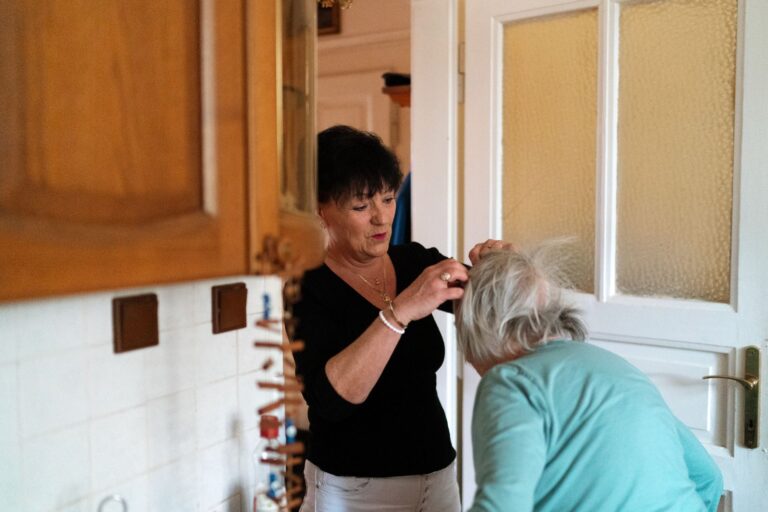
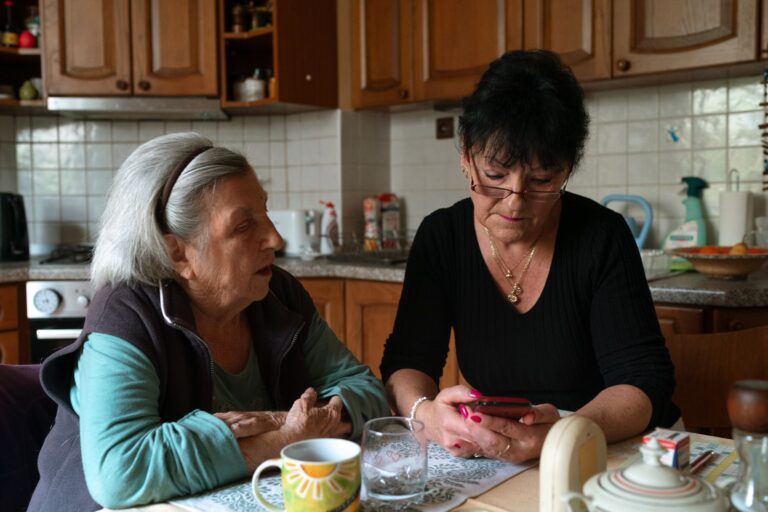
Live-in dementia care for a spouse means a paid caregiver lives in your home and covers nights, daily tasks, and safety risks. The strongest setup pairs legal pay with backup coverage, layered wandering and injury controls, and outside support.
Live-in help does not replace spouse oversight. It shares the load when needs exceed one person's day. Use written hours, safety changes, and quality checks from the start.
Medical information disclaimer: This article is for general educational purposes only and does not provide medical advice, diagnosis, or treatment. Always consult a physician or other qualified health professional about symptoms, medications, tests, or treatment decisions.
Table of Contents
- Pay and schedule live-in help correctly
- Plan sleep, nights, and backup coverage
- Stop wandering harm before it starts
- Cut fall, burn, and poisoning risks
- Check quality and get caregiver support
Pay and schedule live-in help correctly
The U.S. Department of Labor states live-in domestic workers are exempt from federal overtime Fact Sheet #79B on live-in domestic workers. They must still earn at least federal minimum wage for all hours worked. Put the rate, pay period, and duties in writing.
The U.S. Department of Labor allows written agreements to exclude bona fide sleep, meal, and off-duty periods Fact Sheet #79D on hours worked. Interrupted sleep still counts as work. Time spent on duty during a 24-hour shift also counts.
Plan sleep, nights, and backup coverage
Night needs decide staffing. Many spouses face broken sleep, toileting help, and wandering alerts.
The Alzheimer's Association 2024 Facts and Figures reports more than 11 million unpaid dementia caregivers averaged nearly 31 hours per week. That load makes written coverage essential. Build backup before a crisis, not after one.
- Write daily hours, night duties, sleep breaks, and days off
- Name two backup contacts and one respite option
- Review wandering, toileting, and medication needs weekly
Stop wandering harm before it starts
Wandering is common in advanced dementia. MedlinePlus advises door and window alarms, Stop signs, hidden car keys, and fencing for pools and stairs MedlinePlus home-safety instructions. It also advises an ID bracelet with caregiver contact, neighbor notice, and GPS devices.
The National Institute on Aging, reviewed July 9, 2024, advises a room-by-room safety review. Use high and low supplemental locks, STOP or DO NOT ENTER signs, and hidden departure cues. Carry ID and enroll in MedicAlert or Alzheimer's Association wandering support.
Cut fall, burn, and poisoning risks
The U.S. National Library of Medicine, through MedlinePlus, directs families to remove trip and fall hazards. Clear cords, rugs, and clutter from walking paths.
Add night lights, grab bars, and sturdy seating where balance fails. Lock all medicines, alcohol, cleaning products, and sharp objects. Lower hot-water temperature to reduce scald risk. Remove stove knobs when the stove is unused.
Check quality and get caregiver support
The Centers for Medicare & Medicaid Services launched the GUIDE dementia model on July 1, 2024, with 390 organizations building Dementia Care Programs. The July 8, 2024 notice describes care coordination, caregiver education, and respite for Medicare beneficiaries. Ask whether your spouse qualifies and what respite hours are open.
For hired home-health help, CMS notes the Quality of Patient Care star rating uses seven OASIS and claims measures, including timely initiation of care January 2026 home-health star-rating preview. Agencies need data on at least five of seven measures. The rating tracks clinical outcomes, not dementia training or live-in continuity, so ask agencies directly about both.