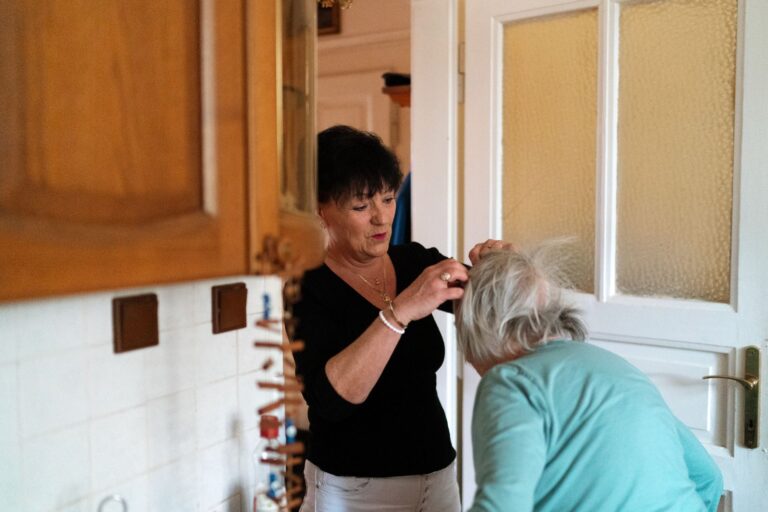
Compare live-in dementia care by coverage, cost, caregiver fit, and backup plan. Live-in care means a caregiver lives in the home and works a long day with a sleep period so someone is present.
For a spouse with dementia, overnight needs often decide the choice. If wandering, falls, or frequent toileting need an awake response, presence alone may fall short. Write down nightly needs before you call agencies.
Medical information disclaimer: This article is for general educational purposes only and does not provide medical advice, diagnosis, or treatment. Always consult a physician or other qualified health professional about symptoms, medications, tests, or treatment decisions.
Table of Contents
- Live-in or 24-hour coverage?
- What will it cost?
- How do you vet a live-in candidate?
- How do you make live-in work for a spouse?
Live-in or 24-hour coverage?
Live-in care gives daytime help plus overnight presence, not constant wakefulness. Dementia In Home explains in its live-in care glossary that 24-hour care uses rotating shifts for awake round-the-clock coverage and costs more.
Match the model to the night. Calm sleepers who need reassurance and morning help often fit live-in care. Frequent waking, exit-seeking, or medical monitoring point toward awake coverage.
What will it cost?
Assisted Living Magazine's analysis of Genworth reports about $33/hour for homemaker services and $34/hour for aide care. At 168 hours per week, that extrapolates to roughly $21,800-$22,600 per month in its 2025 analysis of 24-7 care costs.
Medicare does not fill this gap. According to Medicare home health coverage, Medicare covers only part-time skilled care with an aide alongside skilled care. It explicitly excludes 24-hour home care, homemaker services, and custodial-only care.
How do you vet a live-in candidate?
Interview for dementia fit, not just availability. The National Institute on Aging advises in its Alzheimer's caregiving guide to interview at home with another person present. Ask about dementia experience, CPR and first aid, availability and sick-day backup, bonding, and references.
Check complaints before you sign a contract. Ask for two recent dementia-care references and call them. Confirm who arrives if the regular caregiver is sick.
- Dementia tasks handled in past year
- Night routine and backup arrival time
- Complaint history and contract terms
How do you make live-in work for a spouse?
Protect sleep for both adults. Give the caregiver a private bedroom and clear night duties. Keep your spouse's bedtime, lighting, and bathroom path steady.
Plan backup before you need it. Name a second contact for illness and time off. Write down who to call for sick-day backup before the first overnight shift.