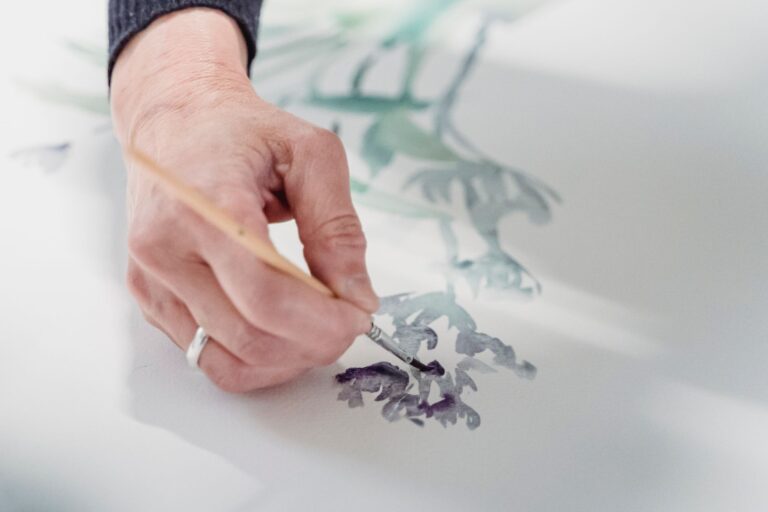
Step-by-step watercolor painting for dementia home care is a short, guided art activity done at home. It uses simple washes, basic tools, and caregiver support to create time for expression and connection. Watercolor here means paint thinned with water on thick paper. The focus stays on process and shared enjoyment, not finished technique.
Medical information disclaimer: This article is for general educational purposes only and does not provide medical advice, diagnosis, or treatment. Always consult a physician or other qualified health professional about symptoms, medications, tests, or treatment decisions.
Table of Contents
- Why does watercolor suit home care?
- What supplies keep it safe and simple?
- How do you set up each session?
- How do you support without taking over?
- What can this activity reasonably do?
Why does watercolor suit home care?
AALL CARE In Home Services describes watercolor as accessible and low-pressure, with fluid washes that support stimulation, release, relaxation, and self-esteem watercolor as therapy guidance. Mistakes blend easily, so the person can keep going without correction. The Alzheimer's Association states art projects give people with Alzheimer's accomplishment, purpose, and self-expression, including for caregivers as dementia progresses Alzheimer's Association guidance on art and music.
That shared benefit matters at home, where both people need calm moments. Short sessions work best. Ten to twenty minutes of color, talk, and pause often gives more comfort than a long project.
What supplies keep it safe and simple?
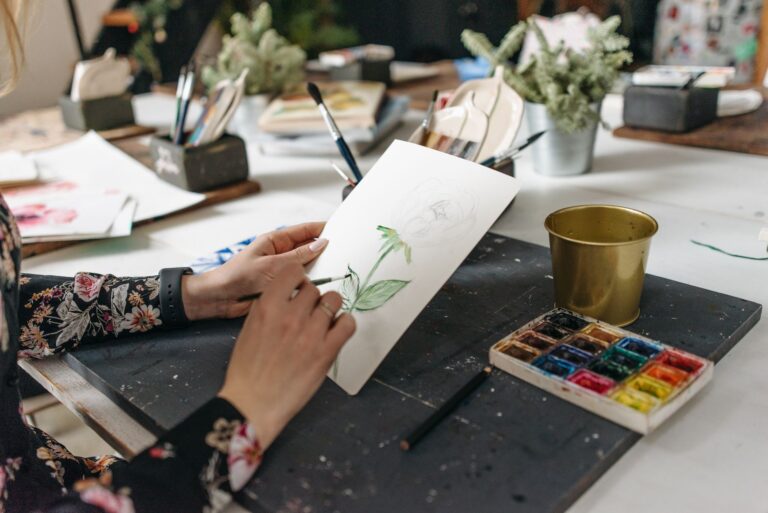
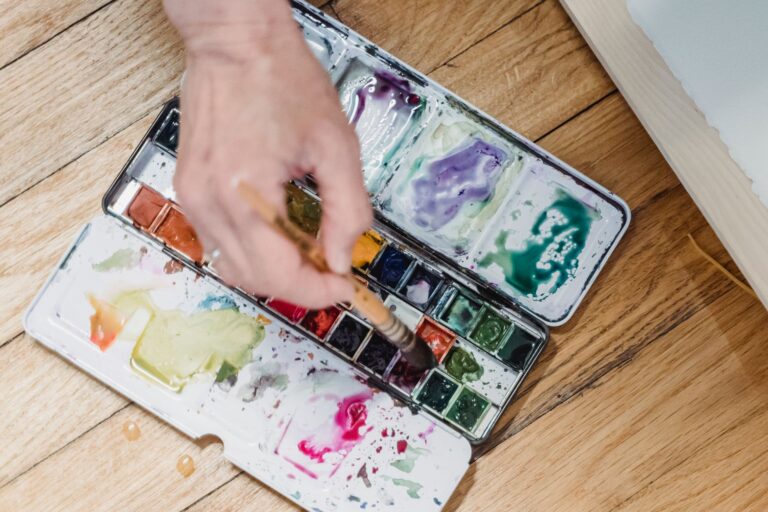
Choose student watercolors, a large soft brush, thick watercolor paper, a water cup, and paper towels. Large handles, stable cups, and light colors reduce spills and frustration. Safety information from the Art and Creative Materials Institute says choose water media such as watercolors and supplies bearing the ACMI AP seal for nontoxic evaluation, avoid ingestible or hazardous items, and supervise use Unison Colour safety information.
Keep caps, small parts, and cleaning fluids out of reach. Tape the paper to the table. It stops sliding, marks a clear work area, and makes cleanup fast.
How do you set up each session?
Pick a quiet table with good light and few distractions. Offer one clear choice, such as blue sky or green hills, rather than an open question.
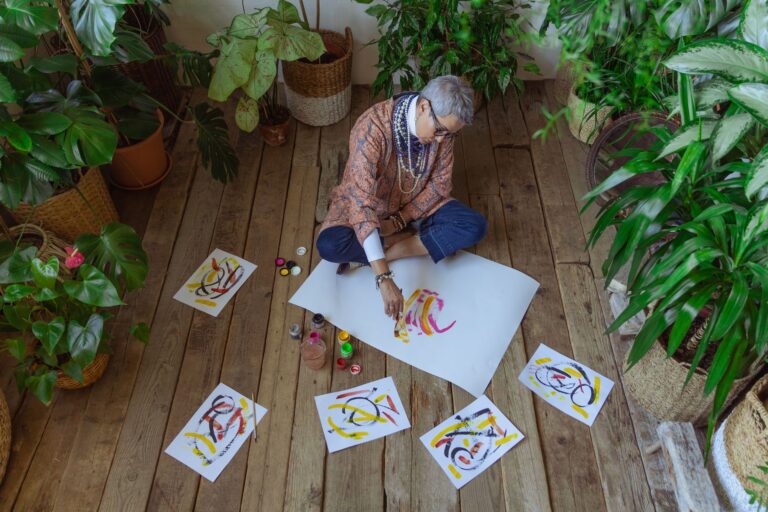
Make a simple starting shape if needed, such as a circle for sun or line for hill. UsAgainstAlzheimer's recommends sketching a simple starting shape when helpful, painting alongside the person, and focusing on shared enjoyment rather than technique.
- Wet the brush, touch one color, and make one broad wash
- Add a second color while the first is damp and watch them blend
- Pause, talk about what you see, then add one simple shape
- Stop while energy is good and date the back together
How do you support without taking over?
Keep the project adult-level and build conversation into the work. Ask about color, season, place, or memory linked to the painting. For middle- to late-stage Alzheimer's, the Alzheimer's Association advises helping begin the activity such as starting brush movement and using only basic instruction.
Say "let's sweep blue across," then hand over the brush. Paint your own sheet beside the person. Matching pace, naming colors, and praising effort support dignity without fixing the work.
What can this activity reasonably do?
A 12-week controlled trial in mild Alzheimer's found coloring abstract patterns with pastel crayons or water-based paint improved apathy and quality of life compared with calculation training. The gain was in engagement and daily well-being, not memory repair. Home painting is not art therapy.
The American Art Therapy Association defines art therapy as a mental-health profession using art-making and psychological theory within a therapeutic relationship led by a professional art therapist. Home sessions offer company, choice, movement, and pride in finishing. Cochrane reviewers found only two eligible randomized trials with 60 participants total, rated the evidence very low quality, and concluded evidence on art therapy for dementia is insufficient Cochrane review summary on art therapy for dementia. Use watercolor for comfort, routine, and time together, and seek clinical help for depression, anxiety, agitation, or rapid change.