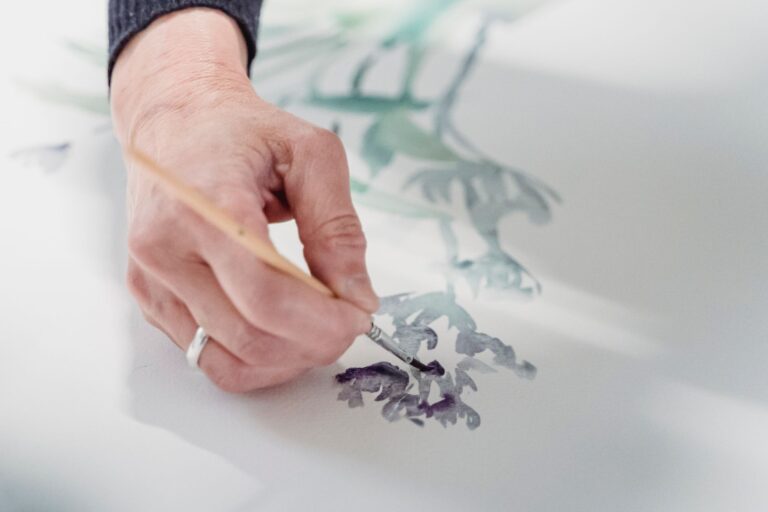
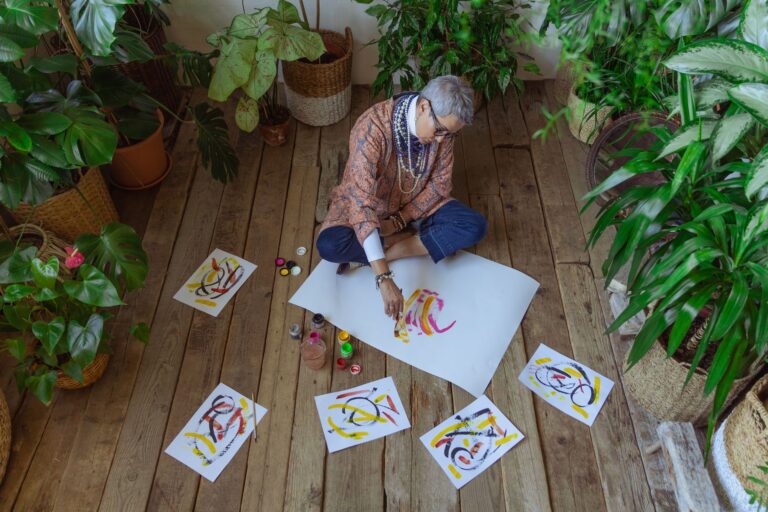
Engagement during home watercolor painting looks like sustained attention, social interest, and visible pleasure in color and brushwork. Distress looks like disengagement, sadness, confusion, anger, or agitation that signals a pause. Watercolor painting here means simple, process-focused painting with washable paints at home, not formal art therapy. The Alzheimer's Association states that music and art can enrich people with Alzheimer's disease by allowing self-expression and engagement even after dementia has progressed, with art projects creating accomplishment and purpose, as described in the Alzheimer's Association caregiving guide.
Medical information disclaimer: This article is for general educational purposes only and does not provide medical advice, diagnosis, or treatment. Always consult a physician or other qualified health professional about symptoms, medications, tests, or treatment decisions.
Table of Contents
- What does engagement look like?
- What are the warning signs of distress?
- How do you set up a calm home session?
- What can painting realistically do?
What does engagement look like?
Focused attention is the clearest sign. A Greater Cincinnati Alzheimer's Association pilot of Memories in the Making, using mainly watercolors and acrylics, found 83% of participants showed consistent sustained attention through a 30-45 minute facilitated session, according to the pilot summary report. In a 38-person video-coded study of Opening Minds through Art at three Ohio long-term-care facilities, researchers scored well-being as social interest, engagement and pleasure, and found moderate-to-high well-being with little to no ill-being during sessions, according to the Sauer study in Dementia journal.
At home, that can mean watching color spread, choosing the next color, smiling, humming, or showing the page. Conversation and connection also count. A 12-week controlled art-and-storytelling program reduced agitation and apathy while improving communication and reported quality of life. Talk about the colors, shapes, or memories the painting brings up, rather than correcting technique.
What are the warning signs of distress?
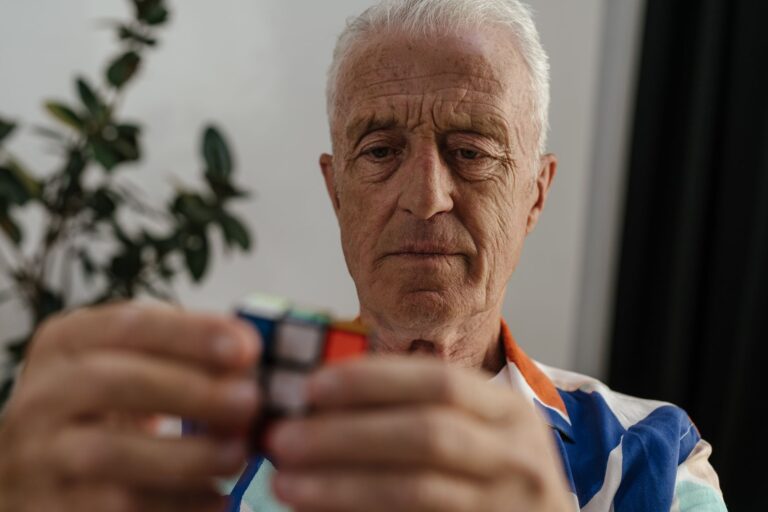
The same Opening Minds through Art program defines distress during art as disengagement, negative affect, sadness and confusion. Related reporting notes observers also watch for anger and agitation as stop signals. Watch the body as well as the face. Pushing paper away, putting the brush down repeatedly, withdrawing, frowning, tearing up, or looking lost can mean overload.
Restlessness, pacing, shouting, trying to leave, or clear frustration mean pause or switch activities. Do not push through tears or agitation to finish a picture. Offer water, a short walk, music, or quiet sitting. Return to painting another time only if the person seems settled and willing.
How do you set up a calm home session?
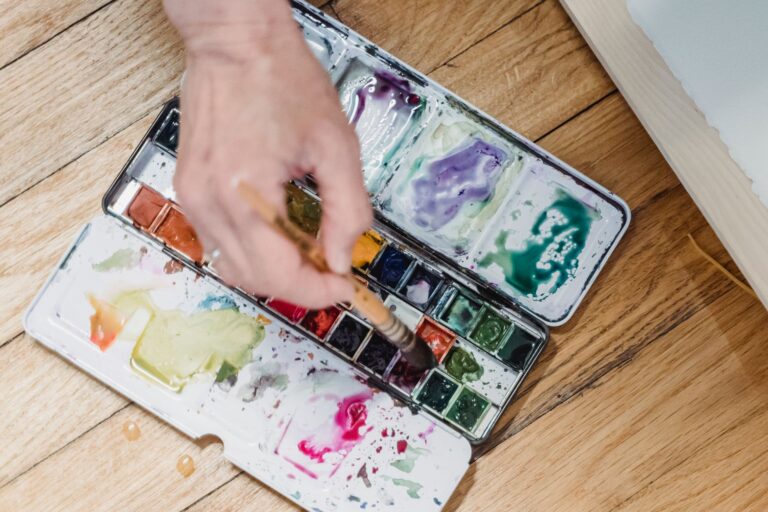
Use large paper with washable watercolors and a stable cup of water. Protect the table, keep choices small, and emphasize color-blending over making a finished result.
Break work into simple steps. Wet one area, touch in one color, watch it spread, then add a second color. Match session length to stage and energy; shorter is often better than a fixed 30 minutes.
- Offer two or three colors, not the whole set
- Demonstrate one brushstroke, then hand over the brush
- Name what is happening: blue is spreading into yellow
- Stay nearby, praise effort, and let the person stop anytime
- Pause for restlessness, pacing, shouting, leaving, or frustration
What can painting realistically do?
Painting supports attention and nonverbal expression. It gives a person choices, movement, color feedback, and social time with a caregiver. It is not proven disease-slowing treatment.
A 2018 Cochrane review included only two randomized trials totaling 60 participants and rated the evidence quality as very low. A 2023 network meta-analysis of 39 randomized trials with 2,801 participants found benefits for some non-drug approaches, with calligraphy and reminiscence therapies improving cognition and horticultural therapy reducing agitation, but that does not make watercolor a cognition treatment. Use painting as one pleasant part of care. Keep expectations on comfort, focus, expression, and time together, and stop early whenever distress appears.