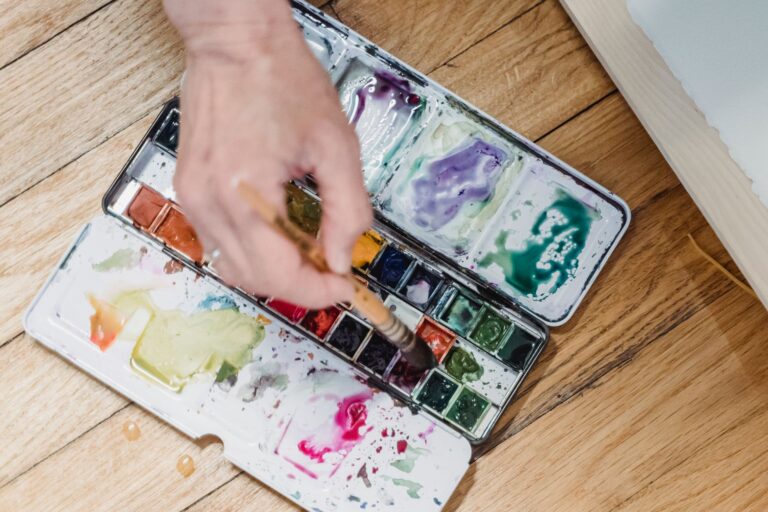
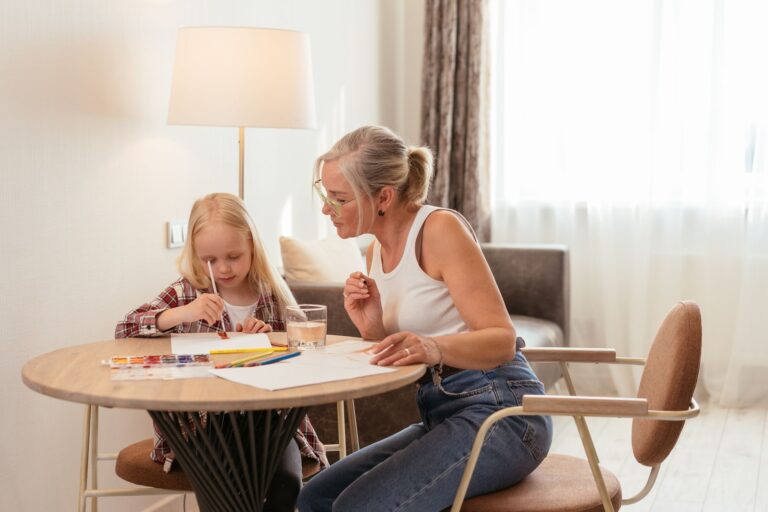
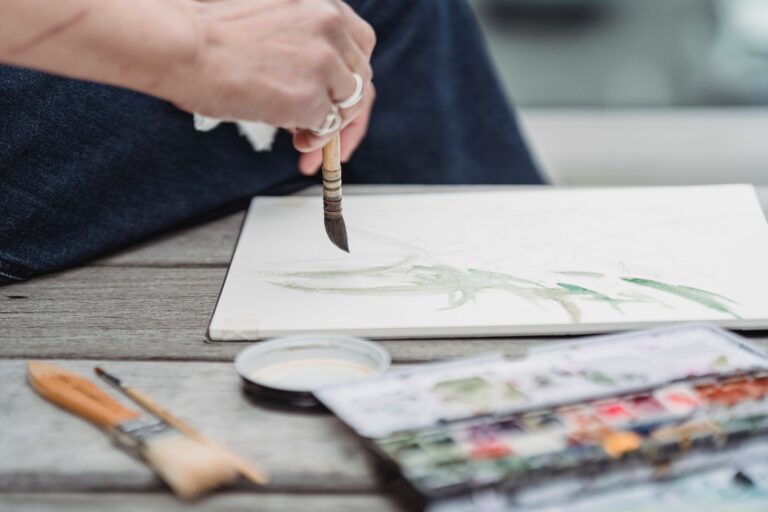
When watercolor no longer holds interest in late-stage dementia, good alternatives include finger painting, clay modeling, collage, music listening, and gentle sensory activities. These options remove brush control and task pressure while keeping self-expression and connection possible.
Late-stage dementia here means advanced decline where dexterity, attention, and initiative are limited. Caregivers often get a better response when the aim changes from finishing a picture to sharing comfort and sensory time. The National Council of Certified Dementia Practitioners describes this shift toward comfort, connection and sensory experience using familiar voices and music and items like sensory blankets or weighted lap pads National Council of Certified Dementia Practitioners activities guide.
Medical information disclaimer: This article is for general educational purposes only and does not provide medical advice, diagnosis, or treatment. Always consult a physician or other qualified health professional about symptoms, medications, tests, or treatment decisions.
Table of Contents
- Brush-free art that fits limited dexterity
- How do you set up a calm session?
- What helps when they do not want to create?
- Can music and reading still connect?
Brush-free art that fits limited dexterity
Finger painting can help because it removes the need to grip a brush and adds direct touch. HelpDementia lists finger painting for tactile stimulation, plus clay or playdough modeling, collage with pre-cut images and textured paper, and structured coloring for limited dexterity HelpDementia art therapy guide. Offer large paper, thick crayons, or soft clay that responds to light pressure.
The Alzheimer's Association advises keeping art projects adult-level for middle- to late-stage Alzheimer's, not childlike. Focus on the process rather than the result. Add encouragement and simple reminiscence talk, such as naming colors or textures together.
How do you set up a calm session?
Reduce background noise before you begin. The Alzheimer's Association advises preventing sensory overload during music and art by turning off the TV, closing windows and doors, keeping volume moderate, and avoiding music with frequent commercial interruptions Alzheimer's Association art and music caregiving page.
Elli Cares, summarizing Alzheimer's Association and WHO guidance, advises adapting to current ability, interest, and daily mood. Keep sessions short and flexible. Use only safe non-toxic materials without sharp tools.
- Turn off the TV and close windows and doors.
- Keep music at moderate volume without ad breaks.
- Offer one material at a time.
What helps when they do not want to create?
Some days participation itself feels like too much. Then comfort, presence, and familiar sensory input can replace a project. Activities may need no active participation to still give connection.
One model is Namaste Care, a multisensory program for advanced dementia. A PMC/BMC Geriatrics systematic review describes it as combining soothing music, gentle hand massage, aromatherapy, socialization, and snacks into daily routines at a slow, high-touch pace. At home, that can mean sitting close, playing a loved song, offering a warm drink, and moving slowly.
Can music and reading still connect?
Music and art still allow self-expression after dementia has progressed. The Alzheimer's Association notes studies link music to reduced agitation and better mid-stage behavior, and late-stage patients may still tap a beat or sing childhood lyrics. Try familiar songs from youth rather than new playlists.
Reading aloud can also work when making art does not appeal. A 2024 study in the American Journal of Alzheimer's Disease, via PMC, found meaningful engagement remained possible in late-stage dementia, and a structured Reading Buddies program produced very high engagement and appeared to reduce negative symptoms. Choose short passages, pause often, and watch for eye contact or calm attention.