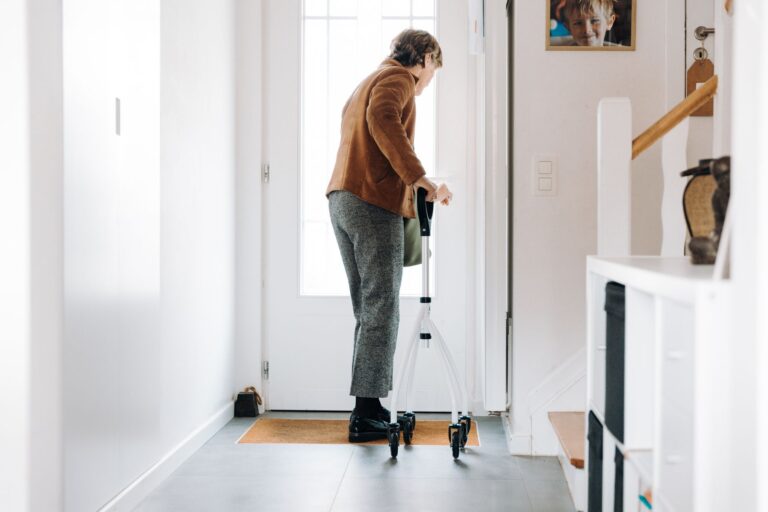
Families facing dementia should plan early for firearms, with removal from the home as the safest option when possible. Dementia is progressive decline in memory, thinking, and judgment that makes safe gun use unreliable.
Waiting raises risk because confusion and paranoia can grow quickly. Early discussion preserves the person's voice and reduces crisis decisions. A clear plan also protects caregivers and visitors.
Medical information disclaimer: This article is for general educational purposes only and does not provide medical advice, diagnosis, or treatment. Always consult a physician or other qualified health professional about symptoms, medications, tests, or treatment decisions.
Table of Contents
- Why dementia changes firearm safety
- How often are guns still within reach?
- What should families do first?
- How to put the plan in writing
Why dementia changes firearm safety
Safe gun handling needs memory, perception, reasoning, and fast decisions. According to Alzheimer's Association home-safety guidance, dementia erodes those abilities. A person may even mistake a spouse or caregiver for an intruder.
The main danger is suicide. University of Colorado Anschutz researchers report that about 91% of firearm deaths among older adults are suicides. Risk can rise with depression and stress after a new diagnosis.
How often are guns still within reach?
Access is common. A University of Washington Medicine study found about 1 in 3 adults age 65 and older with memory loss affecting daily life lived with a household firearm, often stored unsecured. Caregivers report the same gap.
In a 2019 nationally representative survey reported by JAMA Network Open, nearly one-third of caregivers living with a person with Alzheimer's or related dementia said that person could still access a gun. Lethality is high when access remains. In a national Department of Veterans Affairs cohort study of patients with dementia, firearms caused 73% of suicide deaths.
What should families do first?
Act soon after diagnosis, before judgment slips further. The Safety in Dementia firearms guide advises families to set a firearm retirement date and remove guns and ammunition from the home when possible. If immediate removal is not possible, reduce risk in stages.
Give access only to a trusted person outside the home. Locking alone may not be enough. The Alzheimer's Association, cited by KFF Health News, warns a person driven by paranoia may break into a locked cabinet to confront a perceived threat.
- Move guns and ammunition out separately, even for short-term storage
- Store any remaining guns unloaded and locked, apart from ammunition
- Let a trusted person hold all keys, combinations, and codes
How to put the plan in writing
Write wishes down while the owner can take part. An advance-care-planning summary describes the Firearm Life Plan from University of Colorado and Rocky Mountain Regional VA researchers.
It records warning signs, trusted decision-makers, and when guns should be moved, stored elsewhere, or removed. Researchers note clinicians have no validated screening tool for firearm risk in cognitive impairment, and laws do not explicitly bar gun purchase after dementia. That gap makes family planning more important: name who decides, where guns will go, and what sign triggers action.