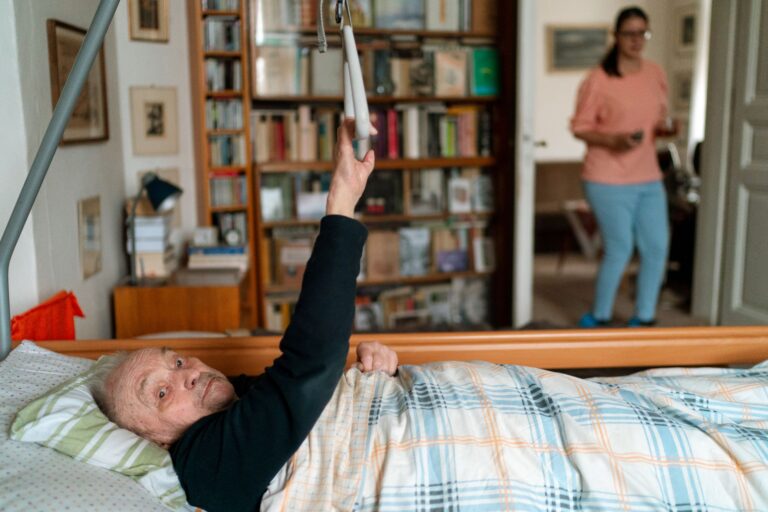
Raised-bed gardening for late-stage dementia means growing plants in a framed bed raised to seated reach, used only with hands-on caregiver help. Safe setup uses seated height, simple soil supplies, non-toxic plants, and constant supervision. Late-stage dementia brings limited movement, swallowing risk, and unsafe wandering. A low-effort bed lets the person see, smell, and touch plants without bending, lifting, or being alone.
Medical information disclaimer: This article is for general educational purposes only and does not provide medical advice, diagnosis, or treatment. Always consult a physician or other qualified health professional about symptoms, medications, tests, or treatment decisions.
Table of Contents
- What height and size fit seated gardeners?
- What soil and bed materials do you need?
- Which plants and details reduce harm?
- How do you supervise and keep sessions calm?
What height and size fit seated gardeners?
The National Center on Health, Physical Activity and Disability recommends soil level 24–36 inches for seated gardeners in its accessible gardening guide. The center also says a knee-under wheelchair planter needs about 34-inch soil height to allow 12 inches of soil plus 24 inches of knee space.
Ohio State Extension advises beds no more than 3–4 feet wide and about 8 feet long so all work happens from outside. Penn State Extension Master Gardeners describe a popular 4-by-8-foot bed about 1 foot deep for annual roots. Deeper beds of 18–24 inches hold more roots and need less watering, with at least 3 feet between beds.
What soil and bed materials do you need?
Ohio State Extension specifies at least 6 inches of soil, with 8–10 inches preferred, in its raised-bed vegetable guide. It calls for garden soil plus compost or bagged raised-bed mix.
It warns against railroad ties and tires that can leach toxics. Use a sturdy frame with a smooth top edge and stable base. Place the bed on level ground near seating and water, then fill, water deeply, and let it settle before planting.
Which plants and details reduce harm?
Alzheimer's Society UK advises dementia gardens use only non-toxic, non-irritant, thorn-free planting in its dementia garden guide. It suggests replacing poisonous larkspur or lupins with hollyhocks or mullein and avoiding toxic berries and sharp edges.
Use this quick check at planting time. Keep labels after planting so caregivers can verify each variety.
- non-toxic leaves, flowers, and fruit with no irritant sap
- no thorns, spikes, or sharp-edged edging
- no poisonous berries or bulbs within grasp
How do you supervise and keep sessions calm?
The Alzheimer's Association lists gardening as a middle-stage activity that can improve quality of life and reduce wandering and agitation in its care guide. It stresses increased supervision because late-stage patients cannot safely be left alone.
University of Edinburgh researchers found frequent gardeners showed greater lifetime cognitive improvement, after adjusting for childhood ability and other factors. The same report says the link is association only, since greenery, social contact, and lifestyle may contribute. Stay within arm's reach, offer one simple task at a time, and stop before fatigue starts.