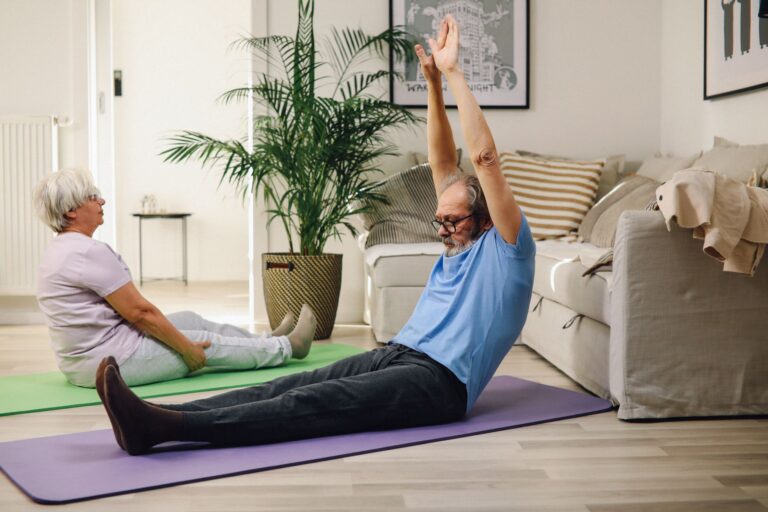
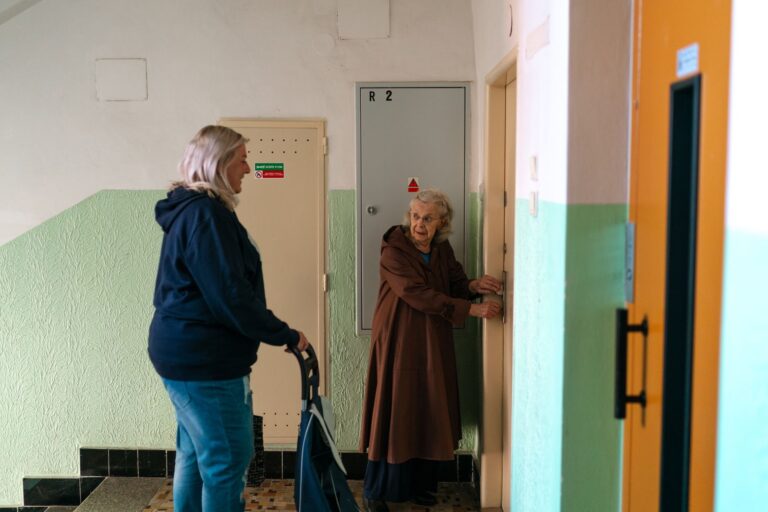
Music therapy for dementia means planned use of music to support mood and daily behavior. Building a personalized playlist means choosing familiar songs tied to one person's taste and life history.
The strongest trial evidence comes from care homes. A March 2025 Cochrane review of 30 studies with 1,720 mostly care-home residents found music-based therapy probably eases depressive symptoms and may ease overall behavioral problems by end of treatment, according to the Cochrane summary via EurekAlert. Effects were measured at end of treatment, with little follow-up after four weeks.
Medical information disclaimer: This article is for general educational purposes only and does not provide medical advice, diagnosis, or treatment. Always consult a physician or other qualified health professional about symptoms, medications, tests, or treatment decisions.
Table of Contents
- What benefits can you expect?
- Why do favorite songs get a response?
- How do you build the playlist?
- When and how should you play it?
What benefits can you expect?
Music-based therapy probably helps depression and overall behavioral problems during treatment. The same Cochrane program found little effect on agitation, aggression, emotional well-being or cognition, according to the full Cochrane review in PMC.
Personalized listening still has practical value for daily care. An NIA-funded nursing-home trial found residents heard with personalized music showed more observed pleasure and fewer signs of verbal agitation. A Brown University evaluation of the Music and Memory playlist program found residents using music matched to taste used less anti-anxiety and anti-psychotic medication, without improvement in mood scores.
Why do favorite songs get a response?
Favorite music means songs the person knows, likes and links to memory. Neutral background music does not carry the same personal cues.
A 2026 Amsterdam brain-scan study found favorite music produced stronger brain responses than neutral music in Alzheimer's disease, behavioral-variant frontotemporal dementia and healthy adults. People with frontotemporal dementia showed less activation than the other groups. A George Mason study of 51 people with dementia at adult day centers found 20 minutes of personalized headphone listening increased joy, eye contact, eye movement and engagement.
How do you build the playlist?
Start with the person, not a genre. Ask family about singers, songs, church music, dance tunes and radio favorites.
Let the person choose when possible. Use these practical filters, drawn from caregiver guidance: The Alzheimer's Association advises this same approach of familiar songs, personal choice, no commercials, TV off and comfortable volume while watching response, according to the Alzheimer's Association caregiving guidance. Remove songs that trigger distress, even when others like them.
- Pick familiar, enjoyable songs, often from ages 15 to 25.
- Avoid commercials and turn off the TV during listening.
- Keep volume comfortable and use headphones to limit distraction.
- Watch face, body and breathing, then keep what brings calm or pleasure.
When and how should you play it?
Tie music to care tasks and mood. Play a short set during bathing, dressing or late-afternoon restlessness. Twenty minutes with headphones is enough to test response.
Stay nearby and adjust by what you see. Keep songs that prompt singing, tapping, smiling or eye contact. Swap out songs that prompt pacing, frowning, covering ears or withdrawal. A 2026 nursing review recommended assessing taste, favoring songs from ages 15 to 25, using headphones, linking music to bathing or dressing, and changing selections by observed mood.