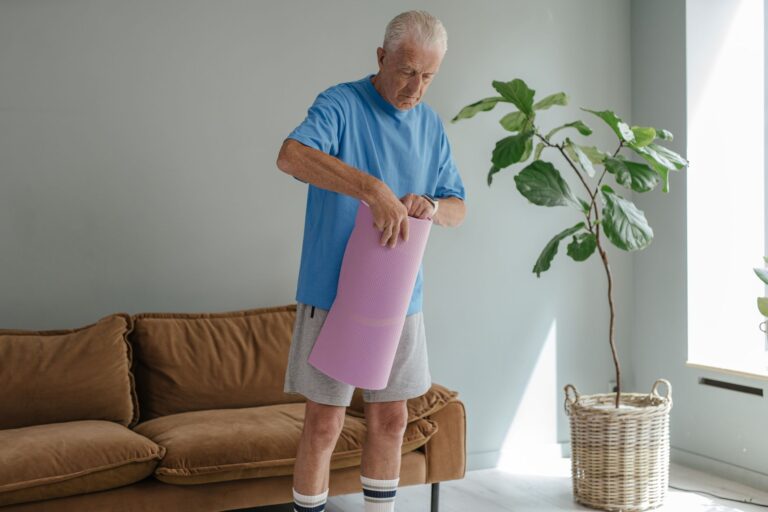
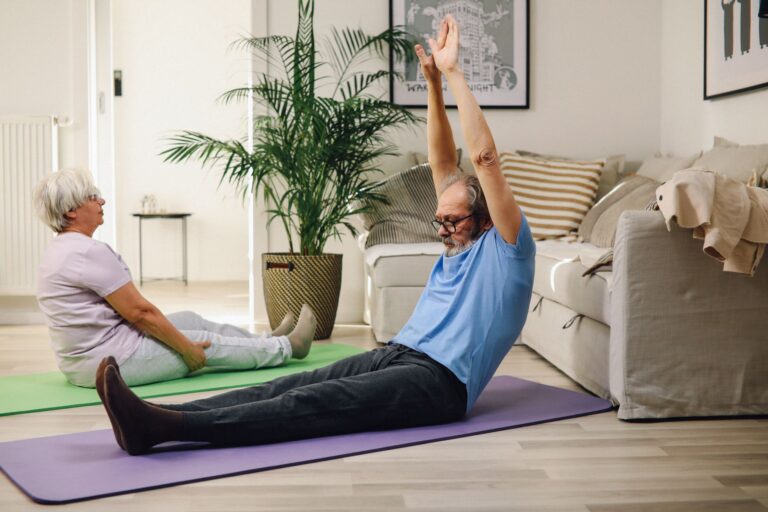
The Alzheimer's Society says people with dementia can benefit from regular seated exercise, at home or in a group, plus walking. Dementia means ongoing memory and thinking loss that affects daily life, so workouts use chair support and planned walks with safety checks. Weekly aims still apply, adjusted for ability, with strength and balance work across the week. The sections below show chair moves, daily walk habits, and checks for when to stay together.
Medical information disclaimer: This article is for general educational purposes only and does not provide medical advice, diagnosis, or treatment. Always consult a physician or other qualified health professional about symptoms, medications, tests, or treatment decisions.
Table of Contents
- What weekly activity should you aim for?
- Which seated moves work best?
- How to make walking a daily habit
- When should someone walk alone?
What weekly activity should you aim for?
The NHS older adult activity guidance says older adults should be active daily. The same guidance sets a weekly aim of 150 minutes of moderate activity or 75 minutes of vigorous activity.
It also calls for strength, balance and flexibility work on at least 2 days, with less sitting. The Alzheimer's Society says that total can include walking, gardening and housework, not only formal sessions. The same source notes sessions can happen at home or in a group class.
Which seated moves work best?
The NHS seated exercise guide recommends a stable, armless chair with feet flat and knees at right angles. It lists chest stretch for posture, upper-body twist, hip marching for hips and thighs, ankle stretch and neck rotation.
The same guide sets sessions at least twice weekly. The NHS advises checking with a GP or involved health professional if unsure, because gentle does not mean suitable for everyone. The same guidance covers clothing, chair choice, water and pacing.
- use a solid chair without wheels
- wear loose clothing and keep water handy
- start with few repeats and build gradually
How to make walking a daily habit
The U.S. National Institute on Aging daily walking advice for Alzheimer's says caregivers should take a walk together each day. The Alzheimer Society of Canada says short walks make a big difference, even to mail a letter or get coffee.
The same source notes malls offer an alternative when weather is too hot or cold. The U.S. National Institute on Aging advises comfortable, well-fitting exercise shoes and clothes, plus water or juice after exercise. The Alzheimer Society of Canada notes regular exercise uses extra energy and may promote better sleep.
When should someone walk alone?
The Alzheimer Society of Canada warns many people with dementia risk getting lost walking alone, even in familiar places. It also warns against continuing without resting and falling. The same source says safe solo walking requires being steady with no fall history.
It also calls for hard-to-remove, well-fitting shoes and discreetly labeled belongings. The U.S. National Institute on Aging says a person walking alone should carry an ID bracelet with a phone number.