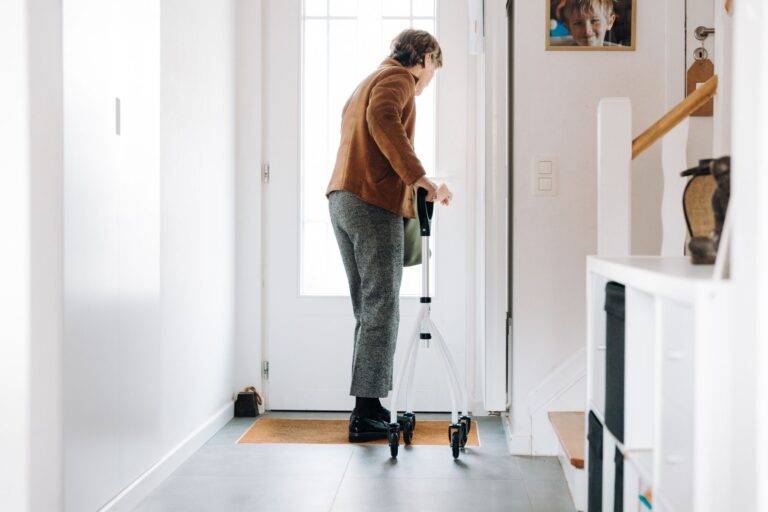
Step-by-step raised-bed gardening for middle-stage dementia breaks garden time into one simple, supervised action at a time. A raised bed is a soil-filled frame lifted above ground for reach without bending or stooping.
The focus stays on enjoyment, sensory contact, and participation at the person's current ability. The National Institute on Aging advises caregivers to decide on supervision, help start the activity, and break tasks into simple steps. The person can plant, water, smell growth, or watch when that feels better.
Medical information disclaimer: This article is for general educational purposes only and does not provide medical advice, diagnosis, or treatment. Always consult a physician or other qualified health professional about symptoms, medications, tests, or treatment decisions.
Table of Contents
- Why adapt tasks in the middle stage?
- What size and surface make access easier?
- How do you set up and plant in order?
- How do you keep gardening safe and calm?
Why adapt tasks in the middle stage?
Middle-stage dementia can change sequencing, dexterity, balance, and safety awareness. The National Institute on Aging recommends matching tasks to current abilities and prizing enjoyment over performance. The person may join briefly, then watch if preferred.
The Alzheimer's Foundation of America describes therapeutic horticulture as support for physical, cognitive, psychological, and social goals. Plant care can support memory and attention in people with cognitive impairment. Sniffing mint, patting soil, or holding a tomato offers contact without demanding recall.
What size and surface make access easier?
Oregon State University Extension recommends accessible beds 3–4 feet wide for middle reach and 24–36 inches high in designing gardens everyone can enjoy. Wood, concrete block, or pavers form sturdy sides. Firm, level paths about 3–4 feet wide leave room for a wheelchair.
University of Illinois Extension notes wheelchair beds about 24 inches tall and no wider than 4 feet when reached from all sides. Standard beds are commonly 6–12 inches tall. Place the bed where a chair or wheelchair can pause alongside without tipping.
How do you set up and plant in order?
The Alzheimer's Society advises a sunny, fenced spot near seating in gardening tips for people affected by dementia. Fill with 8 or more inches of soil for greens and 12–24 inches for tomatoes and peppers. Good light, water access, and a stable seat reduce walking and waiting.
Assign one clear job at a time and demonstrate each motion first. Short sessions keep attention and energy steady. Talk about growth, color, and smell while you work side by side. End the session when interest fades and leave the bed tidy for next time.
- Fill pots with soil
- Plant seedlings
- Water with a light can
- Harvest ripe leaves and vegetables
How do you keep gardening safe and calm?
Heritage Senior Communities points to rounded-edge tools with large handles for safer grip. Avoid toxic or pesticide-treated plants and avoid creosote-treated lumber. Add a bench for rest near the bed.
Offer shade, sunscreen, and water, and garden in morning or evening cool. Keep sessions short and watch for fatigue, thirst, or sun discomfort. Gardening does not replace supervision or wandering precautions. About six in ten people with dementia wander, so Heritage Senior Communities advises enclosed gardens, visual checks, and GPS pendants alongside raised beds in is it safe for a senior with dementia to garden.