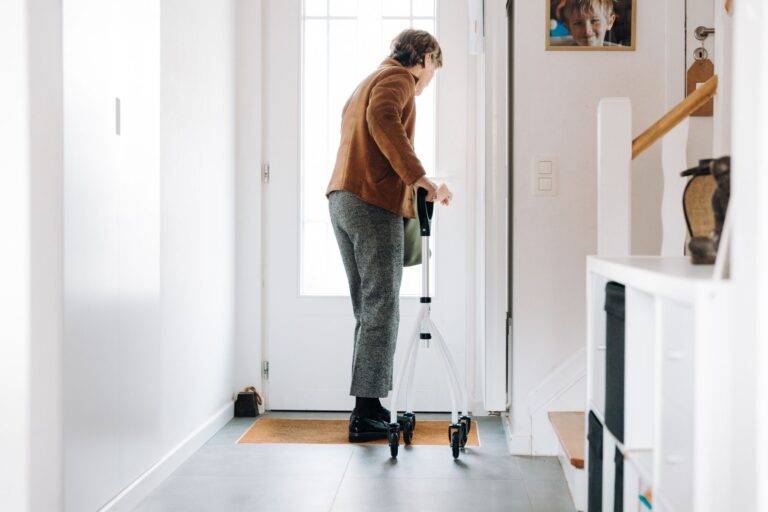
Raised-bed gardening in late-stage dementia means planting in waist-high beds a seated person can touch and smell without bending. Engagement shows as relaxed shoulders and reaching hands; turning away, fidgeting, moaning, or grimacing signals distress and time to stop. The goal is comfort and connection, not a finished garden task. Short, flexible sessions work best when you follow body language and adjust fast.
Medical information disclaimer: This article is for general educational purposes only and does not provide medical advice, diagnosis, or treatment. Always consult a physician or other qualified health professional about symptoms, medications, tests, or treatment decisions.
Table of Contents
- What benefits are realistic?
- How to set up a safer bed?
- What does engagement look like?
- When should you stop?
What benefits are realistic?
Horticultural therapy improved cognition, agitation, positive emotion and engagement in 14 studies with 411 participants, according to the Swedish Agency for HTA summary. Only four were randomized trials in that same summary. Results are promising but not firm proof for every person.
For late-stage dementia, value often means moments of calm attention and sensory interest. Expect varied responses day to day. Use one small activity at a time and watch what happens.
How to set up a safer bed?
Place planters at waist height so the person can garden while seated, with room for a chair or wheelchair. The Rockaway Home Care sensory-garden guide recommends this seated reach plus smooth wide paths, secure fencing, and sturdy seating.
Keep the route clear and sit beside the person, not across the bed. Choose soft, safe plants. The same guide advises avoiding thorns, toxic berries, and slippery leaves to reduce falls and ingestion risks.
- Waist-high planter with seated space
- Smooth, wide, clear path
- Secure fencing and sturdy seat
- No thorns, toxic berries, or slippery leaves
What does engagement look like?
The National Council of Certified Dementia Practitioners links engagement to relaxed shoulders, slowed breathing, and hands reaching toward materials in its activity guidance. These signs mean the sensory activity is working.
Stay quiet and let the touch continue. Offer one herb sprig or damp soil at a time. Match their pace and avoid rapid instructions.
When should you stop?
The same Council advises calmly stopping and trying something different when the person turns away, fidgets, or shows distress, rather than adding verbal prompts. Do not press on with more questions or directions.
HealthCare Interactive CARES training notes pain often appears as moaning, grimacing, frowning, and restlessness rather than words in its CARES dementia training material. Move to shade, offer water, and rest quietly.