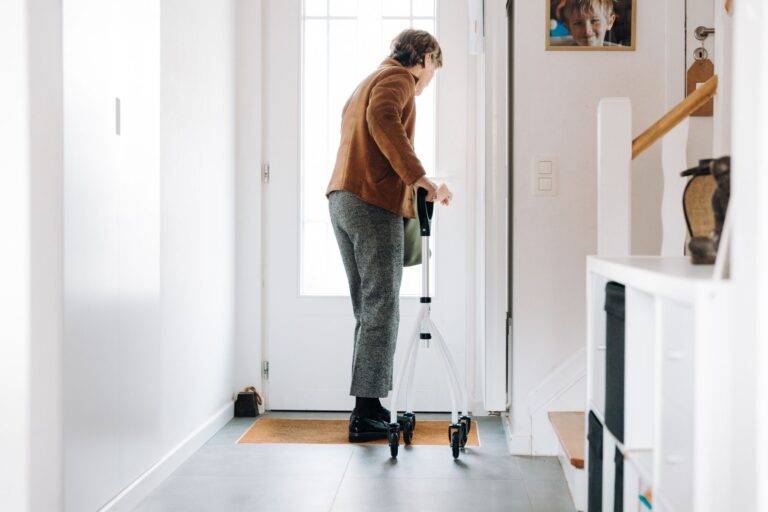
Adapt raised-bed gardening for middle-stage dementia by setting the bed at seated or standing reach, offering one familiar task at a time, and staying nearby to guide and keep the person safe. Raised-bed gardening means growing plants in framed soil lifted above ground level.
Middle-stage dementia often lasts for years. It can make speech, dressing, and bathing harder and raise frustration or anger. The Alzheimer's Association lists gardening alongside cooking, music, and walking as a meaningful daily activity that can support quality of life and reduce wandering and agitation in its middle-stage caregiving guide.
Medical information disclaimer: This article is for general educational purposes only and does not provide medical advice, diagnosis, or treatment. Always consult a physician or other qualified health professional about symptoms, medications, tests, or treatment decisions.
Table of Contents
- Why keep gardening in the middle stage?
- What bed height and size work best?
- How do you match the task to the day?
- How do you keep garden time safe?
- What results are realistic?
Why keep gardening in the middle stage?
Familiar garden work fits short attention and changing language skills. Touching soil, smelling herbs, and seeing color can spark memory and conversation without testing recall.
In a pilot described by Penn State, 10 skilled-care residents with dementia gardened at outdoor raised beds for hour-long sessions twice weekly for two months in its publication summary. Participants and caregivers reported better mood, stronger community, reminiscence, and a sense of purpose and pride. The pattern fits daily care goals: calm time, light movement, and social contact.
What bed height and size work best?
Reach matters more than planting skill. A bed that is too low forces bending, while a bed that is too wide forces overreaching and loss of balance.
The University of Illinois Extension recommends wheelchair-accessible beds about 24 inches tall and no wider than 4 feet when reached from all sides in its raised-bed guide. Keep beds reached from one side no wider than 2 feet. Iowa State University Extension and Outreach gives a similar range of 2 to 3 feet high for wheelchair users, with about 30 inches of forward reach.
How do you match the task to the day?
Simplify the session to one familiar task matched to current energy. Caregiver guidance summarized by The Kensington Falls Church points to single actions such as watering or potting flowers.
Offer clear tools and one choice at a time. Place a filled watering can by the bed, hand one trowel, and show the motion first. Stop while the experience is still pleasant and save repotting, harvesting, or deadheading for another day.
How do you keep garden time safe?
Plan for supervision, simple tools, and safe plants. The UF/IFAS Extension Putnam County program advises supervision, easy-to-use tools, thorn-free and non-toxic plants, and clear level paths to reduce falls in its gardening benefits guide.
People with dementia may mouth leaves or wander from the area. Use these checks before each session:.
- remove thorny, toxic, or sharp-edged plants and lock chemicals away
- set sturdy seating, shade, water, and a clear level path to and around the bed
- stay within arm's reach and redirect gently when hands move toward mouth or unsafe tools
What results are realistic?
Expect good moments rather than steady progress. Mood, talk, appetite, or sleep may improve on garden days and fade on other days.
The 2022 pilot was small, short, and qualitative, with 10 people in one facility. It shows social and emotional promise but cannot prove lasting cognitive gain or broad effectiveness. Judge success by comfort, safety, and shared time in that session.