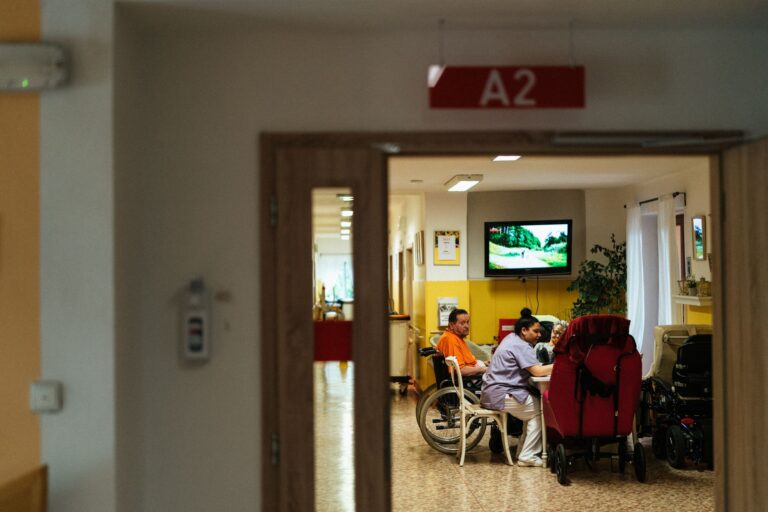
Dual eligible dementia patients rely on Medicaid to pay their Medicare premiums and cost-sharing and to cover services Medicare excludes, especially long-term services and supports. Dual eligible means a person has both Medicare and Medicaid at the same time. That wrap-around help matters because dementia brings frequent visits, hospital stays, drugs, and daily care needs. According to the Medicaid and CHIP Payment and Access Commission, Medicaid fills these Medicare gaps for people with both programs commission's dual-eligible overview.
Medical information disclaimer: This article is for general educational purposes only and does not provide medical advice, diagnosis, or treatment. Always consult a physician or other qualified health professional about symptoms, medications, tests, or treatment decisions.
Official resources:
- Read the official guidance from Medicare — Use this primary source to verify the official guidance.
- Register through CMS’s official page — Use this page to review requirements and register directly.
Table of Contents
- What does Medicaid pay toward Medicare bills?
- How does full help differ from partial help?
- What billing protection do QMB patients have?
- Why is this link especially strong in dementia?
- What should patients and caregivers do?
What does Medicaid pay toward Medicare bills?
Medicaid can pay the Part B premium, plus deductibles, coinsurance, and copayments for patients with the fullest level of help. It can also pay the Part A premium when a person owes one. This help lowers the bill for doctor visits, hospital care, tests, and other Medicare-covered care.
Medicaid also covers care Medicare generally excludes. The largest gap is long-term services and supports, such as extended nursing home care, home aides, and daily supervision. For dementia families, that extended care is often the costliest part.
How does full help differ from partial help?
The Qualified Medicare Beneficiary program offers the broadest Medicare Savings Program help. Medicare.gov reports its 2026 federal income limits as $1,350 per month for an individual and $1,824 for a couple, and says it pays owed Part A premiums plus Part B premiums, deductibles, coinsurance, and copayments Medicare savings programs guide.
The Specified Low-Income Medicare Beneficiary and Qualifying Individual programs pay only the Part B premium. They do not pay deductibles or coinsurance. Partial duals therefore keep more out-of-pocket exposure than QMB members.
What billing protection do QMB patients have?
The Centers for Medicare & Medicaid Services says federal law bars Original Medicare and Medicare Advantage providers, including pharmacies, from billing QMB members for Part A or Part B deductibles, coinsurance, or copayments CMS QMB billing protections. The ban applies even when the state Medicaid payment is low.
States may pay less than the full Medicare cost-sharing amount. States may limit payment to the smaller of the Medicare cost-sharing amount or the gap between Medicare's payment and the lower Medicaid rate. Providers may therefore receive less than full cost-sharing, but they still cannot bill the QMB patient for the balance.
Why is this link especially strong in dementia?
Dementia is concentrated among duals. About 24% of seniors with dementia have both Medicare and Medicaid. One analysis found diagnosed dementia in 13% of duals age 65 and older, compared with 4% of Medicare-only beneficiaries.
Costs follow that pattern. Average yearly Medicaid payments were about $7,158 per Medicare beneficiary age 65 and older with Alzheimer's or another dementia, versus $322 without dementia, about 22 times higher. Medicaid spending for Alzheimer's care was estimated at $68 billion in 2024.
What should patients and caregivers do?
Apply for a Medicare Savings Program through the state Medicaid agency. Bring both the Medicare and Medicaid or QMB cards to medical visits and the pharmacy.
Tell front-desk staff about QMB status before payment is collected. QMB members also receive Extra Help for Part D drugs, capped at no more than $12.65 per covered drug in 2026. Show both cards at every visit to trigger premium, cost-sharing, and drug protections.
- Ask whether the visit is billed under Part A or Part B.
- Ask the pharmacy to check QMB and Extra Help before charging.
- Keep denial letters, premium notices, and drug receipts together.
- Report a wrongful QMB bill to the state Medicaid agency promptly.