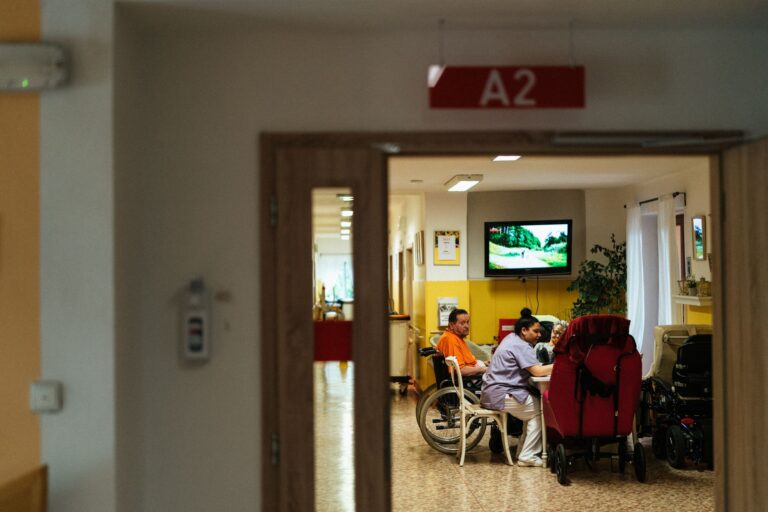
Yes. Assisted-living residents with dementia will face more Medicaid pressure as federal cuts phase in. States can protect mandatory nursing-home care first and trim optional assisted-living support services.
Medicaid is the joint federal-state program that pays health and long-term care for low-income people. In assisted living, it does not pay rent or meals. It pays care help like bathing, medications and supervision, often through Home and Community-Based Services, or HCBS, which lets people stay outside nursing homes.
Medical information disclaimer: This article is for general educational purposes only and does not provide medical advice, diagnosis, or treatment. Always consult a physician or other qualified health professional about symptoms, medications, tests, or treatment decisions.
Official resources:
- Explore the official data from CDC — Use this primary source to review the underlying data.
- Read the original report from Justiceinaging — Use this primary source to review the complete report.
Table of Contents
- Why assisted living faces cuts first
- Which dementia residents face most risk?
- What Medicaid covers in assisted living
- What families can do now
Why assisted living faces cuts first
Congress passed the One Big Beautiful Bill Act, and President Trump signed it on July 4, 2025. The Congressional Budget Office estimated a $911 billion federal Medicaid reduction over 10 years, according to FactCheck.org analysis. Justice in Aging warns the law strips billions in federal Medicaid funds.
States must balance budgets, so optional Home and Community-Based Services face high risk, as described in the Justice in Aging primer. That choice reinforces a tilt toward nursing homes, which states must cover. The BrightFocus Foundation said the Senate-passed bill jeopardizes care for millions living with Alzheimer's, macular degeneration and glaucoma. The group pointed to an estimated $930 billion to $1 trillion in Medicaid cuts.
Which dementia residents face most risk?
About 17% of residential care residents were Medicaid beneficiaries in 2022, according to CDC data. Residents under age 75 made up 32% of those beneficiaries.
The risk centers on people who need daily help and have few options. The Population Reference Bureau reports phased-in cuts could affect about 1 million dually enrolled older adults who need help bathing, dressing and eating, in its analysis of nursing-home risk. Nearly 70% report fair or poor health, and 40% have probable dementia.
What Medicaid covers in assisted living
Medicaid does not pay assisted-living room and board. It pays only care services, according to the National Council on Aging.
Those services usually flow through 1915(c) HCBS waivers or aged, blind and disabled Medicaid. Some state waivers specifically cover memory or dementia care services. Loss of a waiver can therefore remove supervision, personal care or nursing visits while the resident still owes rent.
What families can do now
California shows how fast a cut can force a move. Insurer Health Net moved to end its Medi-Cal Assisted Living Facility Transitions program for 3,500 nursing-home-eligible seniors. State action kept services through Dec.
31, 2026 to avoid forced moves, according to Skilled Nursing News reporting. Families can act before a notice arrives. Keep any continuation letter with the care plan, especially if the Dec. 31, 2026 California extension applies.
- Confirm the exact waiver or Medicaid care benefit that pays for services.
- Ask the facility which services continue if that benefit ends or shrinks.
- Save state letters, renewal dates and care plans in one folder.
- Ask the state Medicaid office about other HCBS options and appeal deadlines.