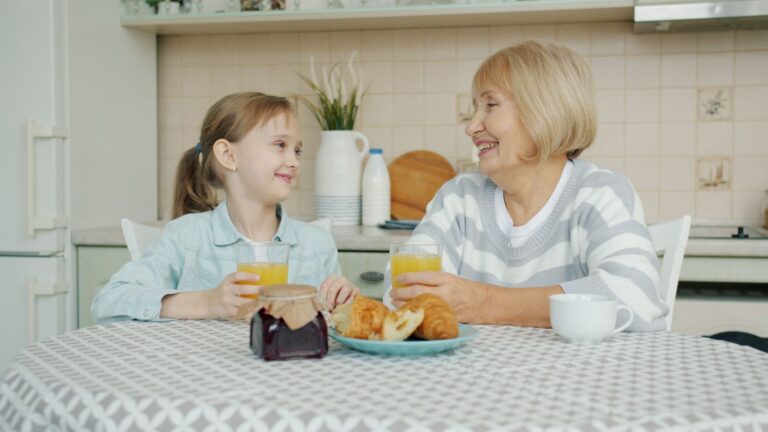
Offer no-cook food preparation at least weekly, in small groups when residents are calm and alert. Build it into the daily plan as regular engagement, not as a one-time event. No-cook preparation means hands-on help without stove or oven work. It uses assembly, mixing, and serving rather than heat.
Medical information disclaimer: This article is for general educational purposes only and does not provide medical advice, diagnosis, or treatment. Always consult a physician or other qualified health professional about symptoms, medications, tests, or treatment decisions.
Table of Contents
- What does each person do?
- How often is enough?
- When should you start the session?
- Which foods fit swallowing changes?
- How do you keep no-cook food safe?
What does each person do?
Give every participant one clear, safe job for the dish. The National Institute on Aging guidance describes deciding what a dish needs, measuring, mixing, pouring, narrating a recipe, or watching others cook as suitable subtasks.
Bethesda Health Group points to assembled green salads, fruit salads, and sub sandwiches for groups. Stirring, kneading, and portioning give practice for dexterity and fine-motor skills that dementia can impair.
- Decider chooses ingredients or toppings from set options.
- Measurer scoops, pours, or counts portions.
- Mixer stirs, tosses, or assembles the final dish.
- Narrator reads steps aloud or describes smells and textures.
How often is enough?
Aim for at least once a week. A six-year study of 10,978 Japanese adults 65 and older, reported by BMJ Group via SciTechDaily report, linked cooking from scratch at least once weekly with about 23% lower dementia risk in men and 27% in women.
Treat that link as support for regular engagement, not proof of prevention. The News-Medical summary of the study notes the finding is observational and cannot prove cooking prevents dementia, so use preparation for engagement and quality of life.
When should you start the session?
Pick a calm, alert window, not a rushed or noisy time. The U.S.
Department of Veterans Affairs caregiver guide recommends building fun activities into the daily plan and offering sessions when residents are calm, alert, and in small groups, as described in the VA dementia caregiver guide. Keep the group small so each person can see, hear, and take a turn. The same VA guide notes routine engagement can improve quality of life and reduce problem behaviors.
Which foods fit swallowing changes?
Serve bite-size finger foods for middle- and late-stage dementia. The Alzheimer's Association advises foods such as chicken nuggets, tuna sandwiches, orange segments, and steamed broccoli or cauliflower, as listed in the Association's food and eating guidance.
Keep people upright with head slightly forward during eating. Avoid hard-to-chew foods like raw carrots because swallowing problems can cause choking and weight loss.
How do you keep no-cook food safe?
Start with low-risk ingredients and clean hands, utensils, and surfaces. The CDC warns that adults 65 and older face higher severe food-poisoning risk, so avoid raw sprouts, unpasteurized milk and juices, and unwashed produce, with frequent washing, per the CDC safer food choices page.
The USDA Food Safety and Inspection Service advises keeping perishable items refrigerated at 40°F or below. Bacteria multiply rapidly between 40–140°F, so discard anything left at room temperature over 2 hours, or over 1 hour above 90°F.