According to the Alzheimer's Association's November caregiving update, nearly 12 million Americans provide unpaid dementia care. Today's Geriatric Medicine Winter 2025 review puts agitation at up to 80%, with games shown only in pilots and vendor data.
Agitation means restlessness, pacing, shouting, or resisting care. It disrupts sleep, meals, and safety for the person and family. Many caregivers want short, drug-free activities they can use at home.
Medical information disclaimer: This article is for general educational purposes only and does not provide medical advice, diagnosis, or treatment. Always consult a physician or other qualified health professional about symptoms, medications, tests, or treatment decisions.
Table of Contents
- How often does agitation appear?
- What have game pilots shown so far?
- Which tailored activities help beyond games?
- How can you try a calm game session?
How often does agitation appear?
Psychiatry Advisor's 2025 analysis reviewed 320,886 electronic health records. It found 44.6% of people with Alzheimer's or related dementias had agitation. Rates rose as dementia grew more severe.
At least 90% develop behavioral symptoms such as psychosis, apathy, or sleep disturbance. The Alzheimer's Association reports more than 19 billion unpaid hours yearly, valued over $413 billion. Daily exposure makes even brief calming tools matter.
What have game pilots shown so far?
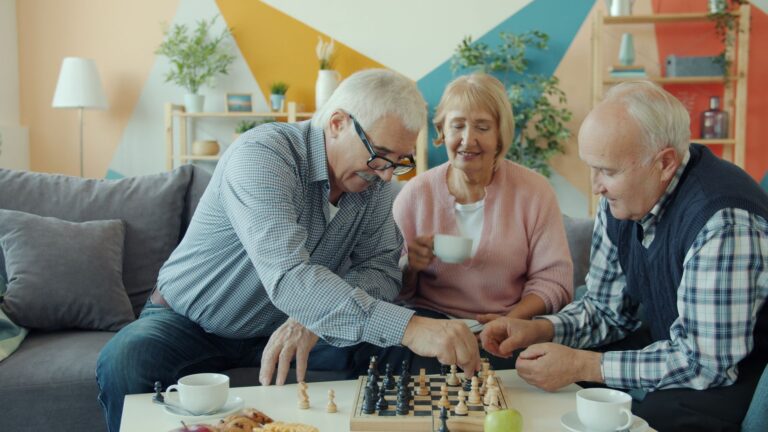
Adapted cognitive games vendor DYNSEO in the role of games in managing difficult behaviors reports 87% agitation reduction and 60% fewer aggressive behaviors. It also reports 75% mood improvement and 92% family-caregiver satisfaction. These are company results, not a national survey. HelpDementia's summary of the 2016 McLean tablet pilot describes 32 patients.
The focus was feasibility and tolerance in memory care. Short, simple play with staff support worked best. Use the results as a starting screen, not a promise. Pick games that match remaining skills and stop when frustration rises.
Which tailored activities help beyond games?
The Tailored Activity Program assesses preserved abilities and interests. Today's Geriatric Medicine, describing Gitlin and colleagues, says it then prescribes custom activities. It trains caregivers to deliver them to manage or prevent agitation. UC Davis Health's app helps caregivers manage symptoms describes WeCareAdvisor for about six monthly symptoms.
Users tracked agitation and wandering among other behaviors. A trial in JAGS showed better symptom management and well-being. Harvard Health Publishing's review of more than 160 articles found nondrug steps more effective than drugs for agitation. Music, movement, routine, and personal contact often beat a new prescription. Games fit best inside that broader plan.
How can you try a calm game session?
Start with ten minutes in a quiet room after rest and toileting. Choose one clear task with large images and no timer.
Sit beside the person and play together. Log date, game name, minutes played, and what happened next. Bring that one-week log to the clinician visit for structured planning.
- Match the game to eyesight, hearing, and hand strength
- Offer two choices, not a menu of ten
- Praise effort, ignore errors, and keep volume low
- Stop for pacing, shouting, eye rubbing, or turning away