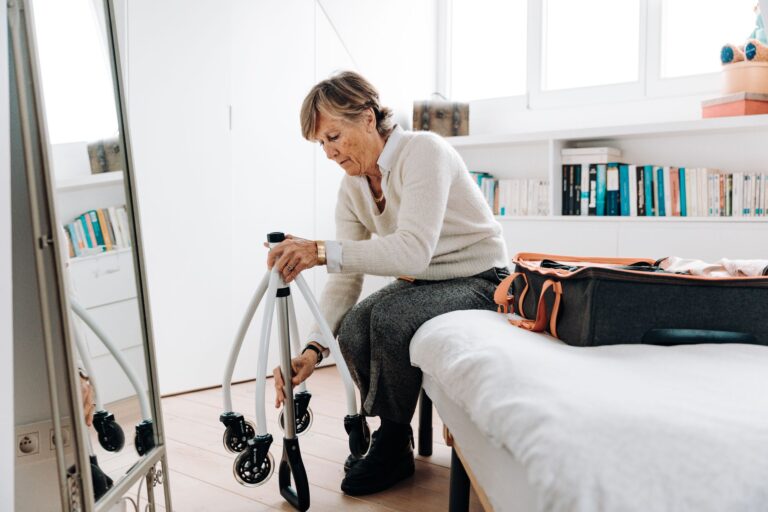
Before the holidays, caregivers should review sleep, physical activity, diet, smoking, alcohol use, blood pressure and diabetes control, mental stimulation, social contact, and respite plans. This pre-holiday check protects caregiver thinking and makes December gatherings safer and calmer.
About 1 in 8 unpaid caregivers age 45 and older report worsening confusion or memory loss. This experience is called subjective cognitive decline, meaning self-noticed worsening confusion or memory loss, and it shows caregivers face their own brain-health risk, according to the U.S. Centers for Disease Control and Prevention in CDC memory-loss facts.
Medical information disclaimer: This article is for general educational purposes only and does not provide medical advice, diagnosis, or treatment. Always consult a physician or other qualified health professional about symptoms, medications, tests, or treatment decisions.
Table of Contents
- Why check your own brain health now
- Which daily habits matter most
- Are you getting enough sleep and stimulation
- How should you simplify holiday plans
- When should you call for help
Why check your own brain health now
Holiday stress adds broken sleep, heavy meals, alcohol, isolation, and skipped medical visits. For caregivers, those changes can quickly affect focus, patience, memory, and decision-making. A brief check in early fall leaves time to adjust routines and arrange help.
Risk is not fixed. Up to 45% of dementia risk could be prevented or delayed by addressing modifiable factors, according to the World Health Organization in WHO dementia prevention guidelines. Those factors include physical inactivity, tobacco and harmful alcohol use, social isolation, hypertension, diabetes, obesity, depression, and hearing or vision loss.
Which daily habits matter most
The same heart-healthy habits support the brain. Stay physically active, eat healthy meals, get enough sleep, limit alcohol, avoid smoking, and see a doctor regularly.
Make changes gradually to avoid extra stress. The World Health Organization also recommends regular physical activity, healthy balanced diet, cognitive training and stimulation, social activity, blood-pressure and diabetes control, not smoking, and avoiding harmful alcohol use. Small swaps help: walk after lunch, cook one balanced meal, invite a friend, treat hearing loss, and track blood pressure.
- Move daily, even in short walks
- Eat balanced meals with vegetables and whole foods
- Keep mentally active with reading, puzzles, or learning
- Stay socially connected each week
- Control blood pressure and blood sugar
Are you getting enough sleep and stimulation
Adults generally need 7-9 hours of sleep nightly. Adequate sleep supports healing, alertness, decision-making, focus, learning, memory, reasoning, and problem-solving, while poor sleep harms brain function, according to the American Heart Association in Life's Essential 8 sleep fact sheet.
Caregivers often lose sleep to nighttime needs, worry, and early-morning tasks. Set a steady bedtime, limit late caffeine and alcohol, dim screens, and ask family or respite help to cover one or two nights per week. Pair better sleep with daily mental stimulation, such as conversation, classes, music, or volunteer work.
How should you simplify holiday plans
For the holidays, the Alzheimer's Association advises caregivers to adjust expectations, scale back traditions, hold an advance family discussion about plans and help, simplify gatherings, and protect their own physical, mental, and emotional well-being, described in Alzheimer's Association holiday guidance. Hold that family talk before invitations go out.
Assign food, rides, quiet-room setup, and early departure plans. Keep visits short, calm, and small, with familiar foods and low noise. Protect one daily break for rest, a walk, or time with a friend.
When should you call for help
Lifestyle steps lower but do not eliminate risk. Caregivers noticing worsening memory should promptly see a clinician rather than wait until after the holidays. Before the holidays, schedule a checkup, arrange respite breaks, and call the Alzheimer's Association 24/7 Helpline at 800-272-3900 for support.