Caregivers face more freezing-related falls, risky winter wandering, indoor hypothermia, and worse evening confusion with Parkinson's disease dementia. Parkinson's disease dementia means Parkinson's movement problems plus dementia that harms memory, judgment, and awareness of cold or danger. Winter ice, surface changes, and early darkness make movement and thinking harder. Planning for heat, light, clothing, and walking support lowers the chance of serious harm.
Medical information disclaimer: This article is for general educational purposes only and does not provide medical advice, diagnosis, or treatment. Always consult a physician or other qualified health professional about symptoms, medications, tests, or treatment decisions.
Table of Contents
- Why does walking become riskier in winter?
- Why is winter wandering so dangerous?
- Why can a cool house cause harm?
- What steadies walking and winter days?
Why does walking become riskier in winter?
The Parkinson's Foundation describes freezing as a brief time when a person cannot move and the feet feel stuck. It often starts when beginning to walk and at doorways, turns, or changes in walking surface.
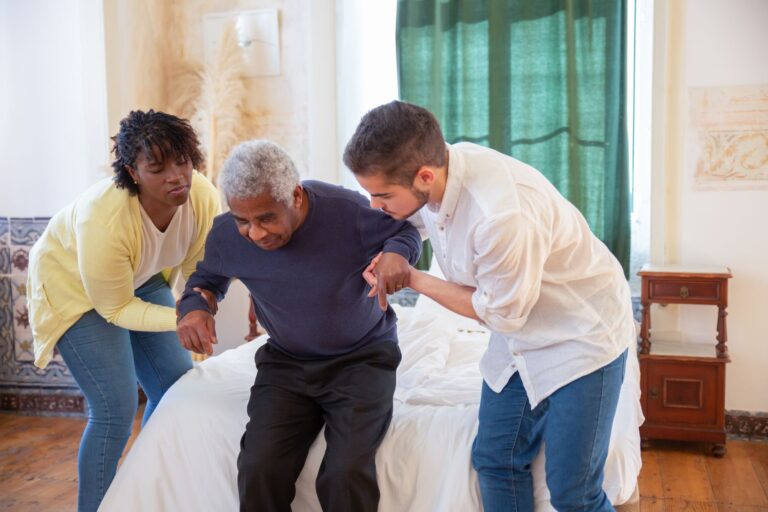
Snow, ice, and mats at entries add those triggers in winter. According to the Parkinson's Foundation, about 38% of people living with Parkinson's fall each year, mostly when turning or changing direction fall and freezing fact sheet. The Foundation notes falls often happen during freezing, and pushing or rushing can cause loss of balance.
Why is winter wandering so dangerous?
The Alzheimer's Association reports six in 10 people living with dementia will wander at least once and many do so repeatedly wandering guidance. In winter that can mean prolonged exposure, getting lost on ice or snow, and frostbite or hypothermia.
The Alzheimer's Association warns that freezing temperatures, snow, ice, and early darkness are dangerous for people with Alzheimer's or other dementias. Caregivers should bundle the person warmly and limit unsafe winter outings.
Why can a cool house cause harm?
The National Institute on Aging defines hypothermia as core temperature below 95°F and advises keeping indoor heat at least 68°F cold weather safety guidance. The agency notes homes at 60 to 65°F can still cause hypothermia in older adults.
Older adults are especially vulnerable. The CDC lists older adults with inadequate clothing, heating, or food among groups at highest risk for hypothermia. Parkinson's can limit dressing or moving, while dementia can limit noticing cold, which raises risk.
What steadies walking and winter days?
The Alzheimer's Association says short winter days and early darkness worsen visual perception, confusion, and sundowning-related agitation. Sundowning means late-day confusion and restlessness.
The Association advises turning on indoor lights before dusk, using timers, and keeping days structured. The Parkinson's Foundation notes not everyone with Parkinson's freezes, but those who do face much higher fall risk. Stay calm, wait, avoid pushing, and try a steady cue: Pick one cue the person answers to and practice it before icy doorways.
- marching in place to restart stepping
- counting, music, or rhythm for pace
- stepping over your foot-placed line