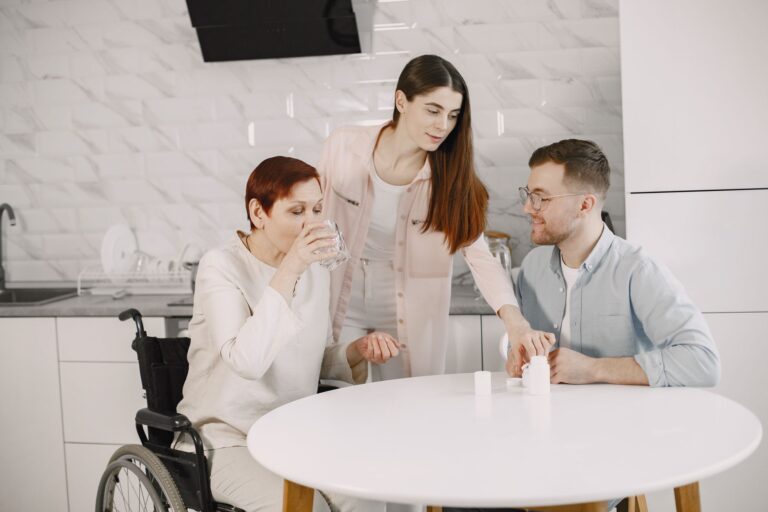
Caregivers can make the home safer for Parkinson's disease dementia by preventing falls and limiting confusion-related hazards. Key changes include clearing clutter and rugs, adding grab bars and handrails, improving lighting, securing doors and medications, and making kitchens safer. Parkinson's disease dementia combines Parkinson's movement problems, such as stiffness and balance loss, with dementia symptoms such as confusion, poor judgment, and wandering. That pairing means caregivers need both fall-proofing and dementia-proofing in the same home.
Medical information disclaimer: This article is for general educational purposes only and does not provide medical advice, diagnosis, or treatment. Always consult a physician or other qualified health professional about symptoms, medications, tests, or treatment decisions.
Table of Contents
- How do you cut fall and tripping risks?
- What helps in bathrooms, stairs, and bedrooms?
- What should you do when feet freeze in doorways?
- How do you limit wandering, burns, and poisoning?
- Where should you start when not every change is needed?
How do you cut fall and tripping risks?
Start with floors and walkways. The Parkinson's Foundation advises removing clutter, loose rugs and cords in its Fall Prevention fact sheet. Use non-skid surfaces where floors are slippery.
Give walkers and wheelchairs room to pass. The Parkinson's Foundation Home Safety page recommends wide, clear paths and sturdy chairs with armrests and proper seat height in its home safety guidance. Move small tables, footstools, and plants out of main routes.
What helps in bathrooms, stairs, and bedrooms?
Add support where balance fails. Install grab bars in the bathroom, handrails on all stairs, and nightlights on the path to the bathroom.
Keep all rooms and hallways well lit. For people with postural instability, throw rugs should go and lighting should improve throughout the home. Ask a clinician for a referral for an occupational-therapist home assessment to match rails, seats, and bed height to the person.
What should you do when feet freeze in doorways?
Freezing of gait is a sudden feeling that the feet are stuck, often at doorways, turns, or narrow passages. Do not pull the person forward.
Instead, have the person stop, breathe, shift weight side-to-side, and step over an imagined line. Clear the doorway area, remove mats that catch feet, and allow extra time for turns.
How do you limit wandering, burns, and poisoning?
Dementia-related confusion raises the risk of leaving home, touching hot stoves, and taking the wrong pills. The National Institute on Aging recommends secure locks on outside doors and windows, good lighting in all rooms, and stove safety knobs with automatic shut-off plus a kitchen night-light in its home safety checklist for Alzheimer's disease. Use these added safeguards:.
- place working smoke alarms near bedrooms
- put door and window locks higher than usual but within caregiver reach
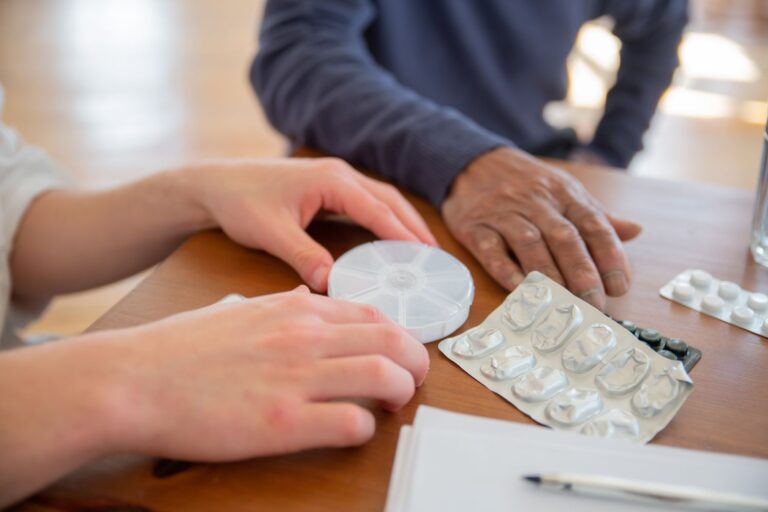
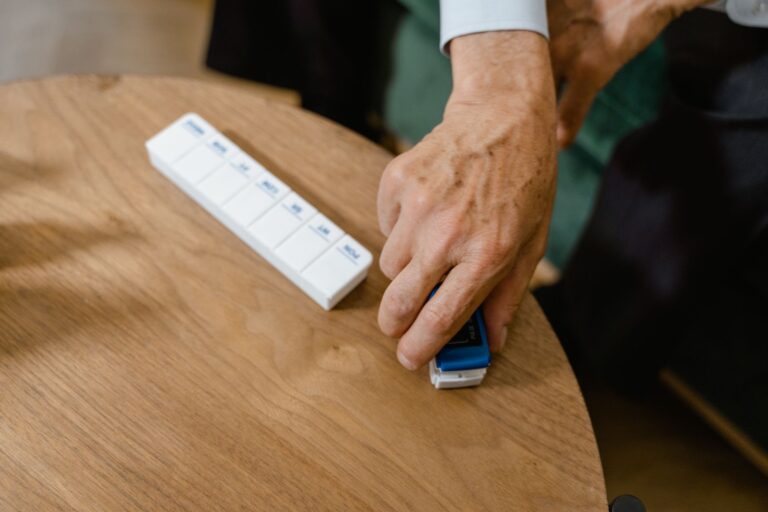
- keep medications locked, labeled, and out of reach
- store alcohol, matches, knives, and tools securely
- remove locks from interior doors to prevent entrapment
Where should you start when not every change is needed?
Walk through the home room-by-room and list only the hazards you see. Begin with falls at night, bathroom slips, stairs, wandering exits, cooking, and medications.
Revisit precautions as movement and thinking change. Ask a doctor for an occupational-therapist or certified aging-in-place evaluation to set priorities.