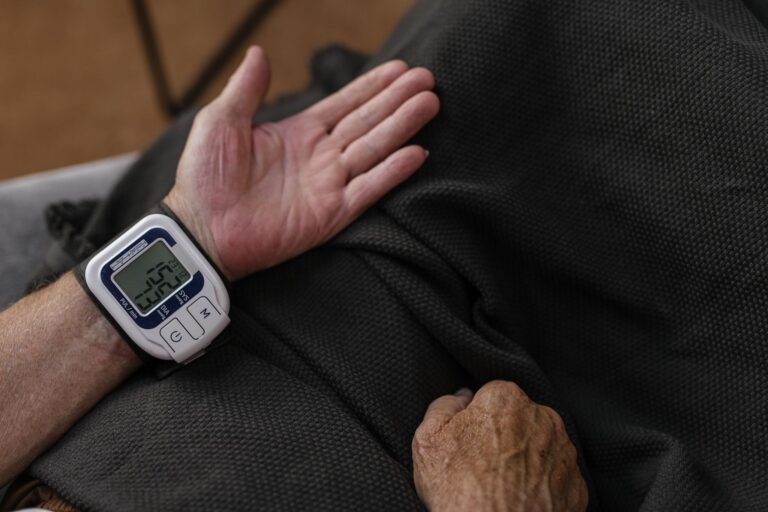
Caregivers managing Thanksgiving travel with dementia, a condition that impairs memory and judgment, can use airport help, ID tools, and careful trip planning. The most useful tools are TSA passenger support, a medical ID service, a discreet disability lanyard, and a packed health file. Thanksgiving crowds and schedule changes can raise confusion and agitation. Planning around comfort and routine lowers that strain for both traveler and caregiver.
Medical information disclaimer: This article is for general educational purposes only and does not provide medical advice, diagnosis, or treatment. Always consult a physician or other qualified health professional about symptoms, medications, tests, or treatment decisions.
Table of Contents
- Plan for Comfort and Routine
- How Do You Get Airport Help?
- What Should You Pack and Wear?
- Who Can Help During the Trip?
Plan for Comfort and Routine
Pick a familiar destination when possible. Travel at the person's best time of day. Keep meals, sleep, and breaks close to the normal routine.
Never leave the person alone during the trip. Tell airline, airport, and hotel staff about dementia needs in advance, according to the Alzheimer's Association travel guidance Alzheimer's Association travel guidance. Before booking, ask the person's doctor about medicines to calm agitation while traveling. The National Institute on Aging also advises picking the plane, train, or car option with the most comfort and least anxiety National Institute on Aging activity guide.
How Do You Get Airport Help?
TSA offers a free Passenger Support Specialist to help travelers with dementia through security screening. Request it at least 72 hours before departure through the online form or by calling 855-787-2227, according to the TSA passenger support program TSA passenger support program. That help covers only the security checkpoint.
Wheelchair help from curb to aircraft and in-flight help must be arranged separately with the airline. The Hidden Disabilities Sunflower lanyard offers another airport tool. The program says travelers with non-visible disabilities including dementia can wear it to signal staff that they may need extra time, patience, or guidance without a public explanation.
What Should You Pack and Wear?
Carry key health papers in a safe place during travel. The National Institute on Aging advises bringing: For wandering risk, consider MedicAlert with Alzheimer's Association Safe Return. The service says it provides 24-hour nationwide emergency response through an engraved bracelet or pendant with an ID number and toll-free line linked to medical and contact records.
- health insurance cards and passports
- doctors' names and phone numbers
- current medicine list
- copy of medical records
Who Can Help During the Trip?
Keep help numbers where both caregivers can reach them. Store the doctor's number with the medicine list.
Keep the travel itinerary, return tickets, and hotel contacts together. Holidays can bring delays, long lines, and late-night needs. Save the Alzheimer's Association 24/7 Helpline at 800-272-3900, listed on the Alzheimer's Association contact page, in your phone before you leave.