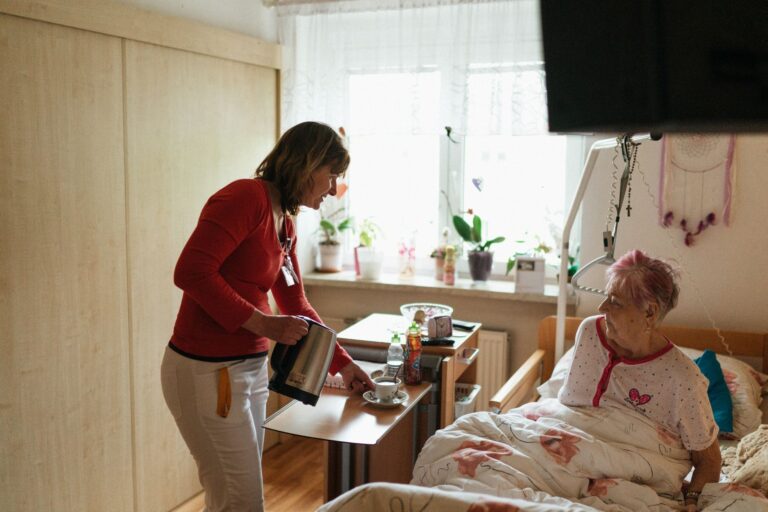
Offer simple strength exercises one-on-one on at least two days each week, in the morning or early afternoon when the person is most alert. Aim for at least 20 minutes per session when possible, using short supervised blocks that match current ability.
Here simple strength means slow, supported moves for legs, arms, and trunk using body weight or light resistance. Twice-weekly movement matters because longer follow-up links that dose to slower decline. In 9,714 older adults with mild cognitive impairment, 20 minutes twice weekly was linked to slower progression, according to the Texas A&M study report.
Medical information disclaimer: This article is for general educational purposes only and does not provide medical advice, diagnosis, or treatment. Always consult a physician or other qualified health professional about symptoms, medications, tests, or treatment decisions.
Table of Contents
- How often is twice a week enough?
- What time of day works best?
- How to fit sessions into a real day?
- What simple moves work one-on-one?
How often is twice a week enough?
The CDC advises adults 65 and older to do muscle-strengthening on at least two days weekly, per the CDC older-adult guidelines. That means legs, hips, back, abdomen, chest, shoulders, and arms, plus aerobic and balance activity.
The World Health Organization also recommends strengthening on two or more days weekly, with extra balance-plus-strength days when mobility is poor. The National Institute on Aging advises building toward 150 minutes of moderate aerobic activity weekly plus strengthening on two days.
What time of day works best?
Offer movement in the morning or early afternoon when alertness is highest and sundowning risk is lower. Sundowning means late-day confusion and restlessness, and evening exertion can raise stimulation and disrupt sleep.
The National Institute on Aging advises caregivers to schedule enjoyed activities at a similar time each day. Match the task to current ability and plan demanding outings for when the person is at their best.
How to fit sessions into a real day?
The National Institute on Aging caregiving guidance says be realistic about how much can be done at once. It suggests several 10-minute mini-workouts when needed and finding a workable morning time for exercise.
Allow extra time, keep the same order, and stop before fatigue. For one-on-one care, use this order:.
- Pick a calm morning slot and keep it daily.
- Offer one 10-minute block, rest, then repeat if willing.
- Close with a short walk and water.
What simple moves work one-on-one?
The National Institute on Aging lists seated chair moves, bands, soup cans, balloon toss, and short walks as options, per its adapting activities guidance. Do them together with supervision, matching resistance and range to current ability.
Start with five slow chair stands, then five seated arm lifts with cans. Add a soft-ball toss for coordination and finish with a brief hallway walk.