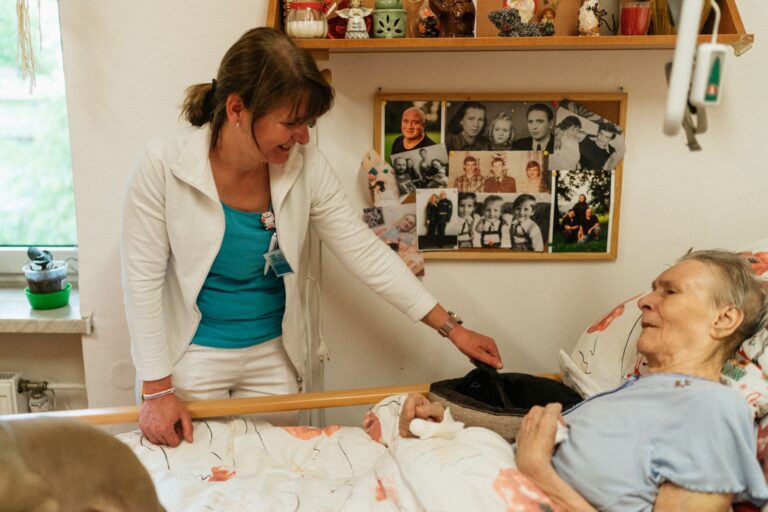
Spouses and partners helped shape the 2026-2035 National Alzheimer's Plan through HHS listening sessions and a public comment period, and they can join dementia research as participants or study partners. The National Plan to Address Alzheimer's Disease guides federal efforts on risk reduction, discovery, high-value care, and family support through 2035.
HHS invited comments from people living with dementia, family members, caregivers, researchers, clinicians, providers, and advocates in its request for information, according to the July 24 Federal Register notice. The 2026 Update was released Oct. 22, 2026 in Fort Lauderdale, replacing six older goals with four lifespan goals, as reported by McKnight's Senior Living.
Medical information disclaimer: This article is for general educational purposes only and does not provide medical advice, diagnosis, or treatment. Always consult a physician or other qualified health professional about symptoms, medications, tests, or treatment decisions.
Table of Contents
- How did public input shape the plan?
- Can spouses and partners join research?
- What does a study partner do?
- How do you check eligibility quickly?
How did public input shape the plan?
HHS ran 2026 listening sessions with people living with dementia, caregivers, providers, researchers, advocates, private-sector, state, Tribal, and local participants. Those sessions informed the 2026 update alongside written public comments. The comment period ran through August 15, 2026.
The docket now accepts no new submissions. The final plan shifts strategy toward prevention, early detection, care quality, and caregiver support. Spouses and partners sit at the center of that shift as care partners and research partners.
Can spouses and partners join research?
Yes. Nearly anyone can join dementia research. Alzheimers.gov states anyone 18 or older may participate, including people with memory problems, healthy volunteers, caregivers, and family members, according to Alzheimers.gov guidance on finding trials.
That means a spouse can enroll as a person with symptoms, as a healthy volunteer, or as a family member in caregiver studies. A partner without memory loss still adds value in prevention and brain-health studies. Each role has different tasks and time needs. Check the study listing for the role that fits your health, age, and availability.
What does a study partner do?
Most Alzheimer's trials require each participant to enroll with a study partner, according to the National Institute on Aging. The partner is usually a spouse, adult child, or close contact who knows the participant well. The partner reports on memory, daily functioning, mood, and side effects.
The partner also attends visits, tracks medications, and helps with travel and follow-up calls. Example rules require frequent contact, such as 10 or more hours weekly plus visit availability. Some drug trials list 12 hours weekly as the threshold.
How do you check eligibility quickly?
Each study sets its own inclusion and exclusion criteria. Spouse participation does not guarantee eligibility for any specific trial.
Confirm details with the study coordinator before you apply. Use this short check: Bring notes to the screening call and ask what would exclude you. Ask about visit count, length, location, costs, and whether remote visits are allowed.
- Note age, diagnosis, memory symptoms, and other health conditions for both people
- Count weekly contact hours and visit availability for the partner
- List medications, recent procedures, and travel limits
- Call the contact on the listing, or NIA ADEAR at 800-438-4380
You Might Also Like
- Tauklarify Imaging for Alzheimer’s Tau Tangles in 2026: Questions Primary Care Patients Can Bring to a Clinician
- PrecivityAD2 and Younger-Onset Alzheimer’s Diagnosis in 2026: Questions Primary Care Patients Can Bring to a Clinician
- Day-One Subcutaneous Leqembi for Early Alzheimer’s in 2026: Questions Family Caregivers Can Ask an Alzheimer’s Specialist