Culturally responsive caregiver support means help shaped with a community, not just translated for it. For spouses and partners, the 2026 NIA summit report points to local advisory boards, tailored programs, and direct partnerships with researchers. The summit was held virtually March 17-19, 2026, and its report lists research gaps and opportunities, according to the HHS ASPE/NAPA update federal meeting update. The National Institute on Aging highlights community advisory boards, culturally tailored interventions, and bidirectional researcher-caregiver partnerships in its 2026 summit report.
Medical information disclaimer: This article is for general educational purposes only and does not provide medical advice, diagnosis, or treatment. Always consult a physician or other qualified health professional about symptoms, medications, tests, or treatment decisions.
Table of Contents
- What does the report want programs to do differently?
- What did the Hawaiian homestead example change?
- What should spouses and partners tell their own doctor?
- Which two community checks find local help?
What does the report want programs to do differently?
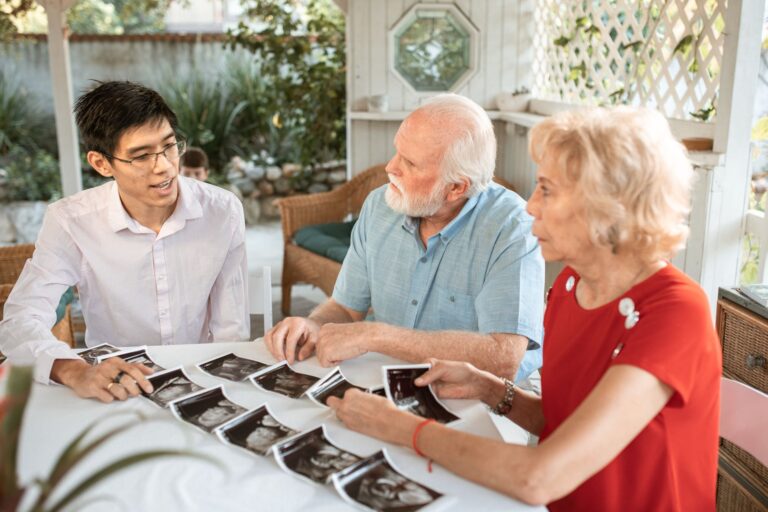
Culturally responsive programs start by asking caregivers what fits daily life, language, and family roles. Researchers then adapt lessons, schedules, and examples around those answers. The National Institute on Aging describes this as bidirectional partnership to improve relevance and sustainability in its 2026 summit report.
Practical signs include a paid community advisory board, local staff, and materials tested with caregivers. Spouses and partners can ask who helped design a class or group. A program shaped with caregivers from your background is closer to this model.
What did the Hawaiian homestead example change?
Kula no na Poe adapted the Savvy Caregiver Program for two Hawaiian homestead communities. The project formed a paid community advisory board and provided dementia-care training. That structure gave residents a direct role in planning.
Training stayed connected to trusted local people and places. Spouses and partners can check for the same pattern nearby. Ask if a workshop uses community advisers, local leaders, or caregivers as co-teachers.
What should spouses and partners tell their own doctor?
Tell your own doctor that you are a caregiver. That one step can open local or online resources matched to your needs. The National Institute on Aging gives this advice because spouse or partner caregivers often hesitate to ask for a break, as explained in its caregiver self-care tips.
Spouses and partners may also absorb household tasks the partner can no longer do. The same agency suggests joining support groups offered by nonprofits and community organizations. Bring a short list to the visit: sleep, mood, backup help, and respite. Ask which local group fits spouses caring at home.
Which two community checks find local help?
The Family Caregiver Alliance lists both locators as current community options in its respite care FAQ. Callers can ask about hours, cost, eligibility screening, and spouse-focused groups.
Another model is WECARE, a 7-week digital program with multimedia lessons, quiz games, and social networking for underserved Chinese American caregivers. Local offerings still vary while the federal National Strategy update continues, so confirm what your county now provides.
- Call Eldercare Locator at 800-677-1116 or visit eldercare.acl.gov to reach the local Area Agency on Aging.
- Use the ARCH National Respite Locator to find local respite options and plan a break.
You Might Also Like
- Community-Academic Dementia Partnerships in the 2026 NIA Report: What Spouses and Partners Can Check in Their Community
- Home-Based Dementia Care Research Priorities in 2026: What Spouses and Partners Can Check in Their Community
- The 2026 NIA Workshop on Comprehensive Dementia Care Models: What Changed and What Comes Next for Spouses and Partners