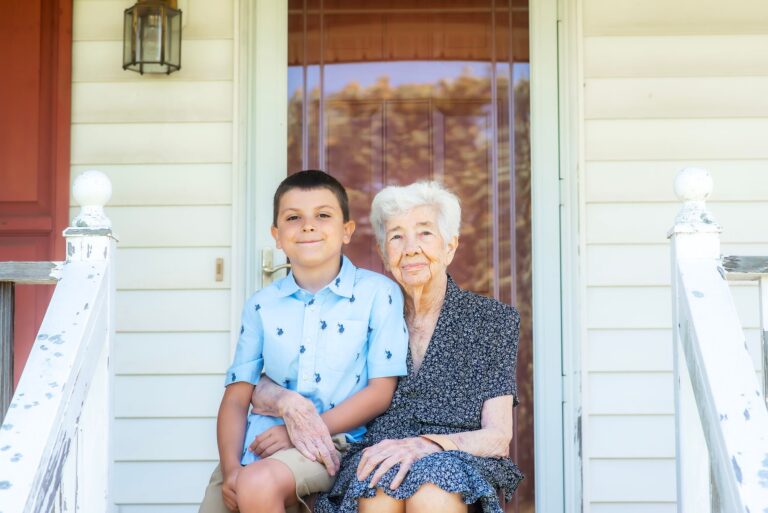
On a low-energy day, adapt reminiscence — talking through past memories together for comfort and connection — as a short one-to-one chat in a quiet space with only one simple question at a time. Use one concrete prompt, such as a photo or familiar song, keep your language slow and simple, and stop before fatigue sets in. That small shift protects attention and mood. It also keeps the focus on present comfort rather than testing memory.
Medical information disclaimer: This article is for general educational purposes only and does not provide medical advice, diagnosis, or treatment. Always consult a physician or other qualified health professional about symptoms, medications, tests, or treatment decisions.
Table of Contents
- How do you set up a calmer moment?
- What should you say differently?
- Which prompts help when recall feels hard?
- When should you switch to sensory comfort?
- What can a low-energy chat realistically do?
How do you set up a calmer moment?
Move to a quiet room and reduce noise, clutter, and foot traffic. Sit close, face the person, and keep the time brief. According to the Alzheimer's Association, low-energy talks work best one-to-one with minimal distractions and one question at a time Alzheimer's Association communication guidance.
- Choose rest over activity when eyes droop, answers slow, or restlessness rises.
- Offer one prompt, then wait.
- Plan more frequent breaks and let rest come first.
What should you say differently?
Use short, simple sentences. Speak slowly and distinctly.
Allow extra response time. According to the Alzheimer's Association, caregivers should avoid rushing long stories when energy is low and give the person more time to answer Alzheimer's Association communication guidance. Ask, "Is this your wedding photo?" rather than, "Tell me everything about your wedding day and who was there?" Accept a smile, nod, or single word as enough.
Which prompts help when recall feels hard?
Do not rely on unaided recall. Bring the memory to the person. According to the NHS, reminiscence work should use concrete prompts such as photos, favourite possessions, music, video clips, or a life-story book or tablet NHS treatment guidance.
Pick something already loved: a family photo, a familiar song, a scarf with a clear texture, a short video clip. Hold it where it can be seen easily. Name what you both see, then ask one gentle question about it.
When should you switch to sensory comfort?
When words fade, change the goal from talking to sensing. Match the activity to current ability and interest, with a balance of activity and rest.
Offer a warm hand hold, a familiar scent, a soft object to touch, or a favourite song to hear together. According to the NHS, very low energy or advanced dementia calls for simple sensory experience — sight, hearing, touch, taste and smell — such as familiar music, objects to touch, or hand massage NHS activities guidance.
What can a low-energy chat realistically do?
Expect momentary comfort, not lasting memory gains. A Cochrane review of 22 randomized trials with 1,972 people found possible small gains in quality of life, cognition, mood and communication, with no evidence of harm Cochrane evidence summary. Cognitive gains faded at longer follow-up, so aim for connection now and end while the mood is still good.