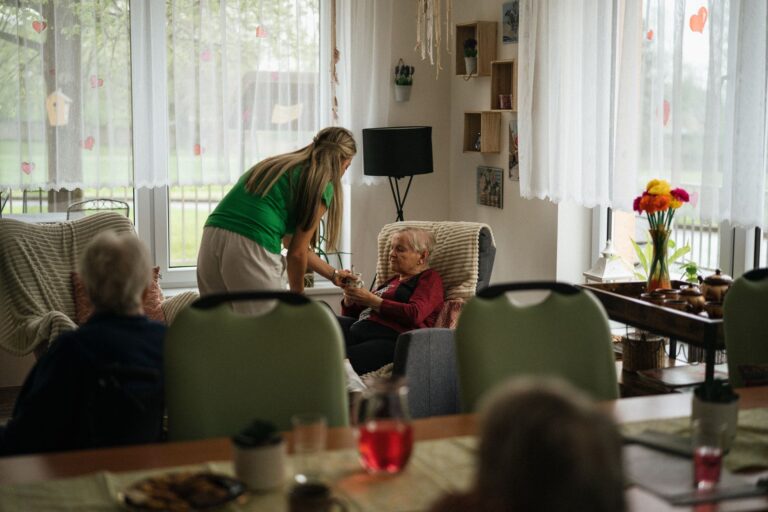
Repetitive movements in dementia are usually perseveration, not defiance. Clinicians use that term for repeated words, questions, gestures or actions when memory loss makes it hard to move on. Pacing, rocking, rubbing, picking at clothes, folding and unfolding, and following a caregiver are common examples. The Alzheimer's Society explains in its repetitive behaviour guide that this reflects difficulty shifting from a thought, not deliberate difficult behavior.
Medical information disclaimer: This article is for general educational purposes only and does not provide medical advice, diagnosis, or treatment. Always consult a physician or other qualified health professional about symptoms, medications, tests, or treatment decisions.
Table of Contents
- What do these movements look like?
- What often triggers repetition?
- When is a sudden change a medical warning?
- How should you respond in the moment?
- How can you find the personal pattern?
What do these movements look like?
Repetition can involve the whole body or just the hands. Pacing and wandering move the person through rooms or hallways. Fidgeting, rocking, rubbing, picking, and folding keep the hands busy in one place.
Trailing is another frequent pattern. The person stays close to a caregiver and follows from room to room. The National Council of Certified Dementia Practitioners lists trailing with pacing and fidgeting in its guide to repetitive expressions as a search for reassurance.
What often triggers repetition?
Repetition often signals anxiety, insecurity, boredom, or loneliness. It can also mean hunger, thirst, pain, need for the toilet, fatigue, or too much noise and clutter.
Restlessness often rises in late afternoon and evening. The Alzheimer's Association notes in its anxiety and agitation resource that overtired people may pace, seem confused, and ask to go home during sundowning.
When is a sudden change a medical warning?
A sudden rise in repetitive or agitated behavior may mean illness. Pain, constipation, urinary infection, and other new problems can drive the change.
Treat this as a prompt for quick medical review, not only dementia progression. Contact a GP promptly when repetition spikes, looks painful, or comes with fever, new incontinence, or reduced eating and drinking.
How should you respond in the moment?
Stay calm and offer simple reassurance. Avoid arguing, correcting, or asking the person to stop.
Redirect toward a meaningful activity instead. Helpful options include: Safe pacing in a secure area can continue as exercise and self-soothing. For unsafe wandering, use routine, daytime activity, engagement, and safer rooms and exits rather than restraint.
- take a short walk together
- play familiar music
- offer sorting, folding, or another simple task
- lower noise, clear clutter, and give water or a snack
How can you find the personal pattern?
Triggers and helpful responses differ by person and dementia stage. What calms one person may irritate another. Time of day also matters.
Keep a diary for one to two weeks before changing care or medication. NHS guidance in coping with dementia behaviour changes advises noting time, place, people present, and what happened just before. Look for hunger, fatigue, noise, boredom, and evening timing, then test one small change at a time.
You Might Also Like
- Anti-Amyloid Antibodies Monitoring Checklist for Alzheimer’s Patients and Caregivers
- Young-Onset Dementia Cost Gaps Identified by NIA in 2026: Service Gaps That Matter to Working Dementia Caregivers
- Young-Onset Dementia Cost Gaps Identified by NIA in 2026: A Source-Checked Briefing for Working Dementia Caregivers