Multi-infarct dementia is vascular dementia caused by repeated small strokes that block blood flow and kill brain cells in several areas. Caregivers can respond by learning its stepwise symptoms, making the home safer, and building steady routines that help prevent another stroke.
The course often differs from Alzheimer's. According to MedlinePlus, decline happens in steps rather than as a slow slide, so a person may hold steady and then drop after another small or silent stroke MedlinePlus guide. Deficits depend on which brain areas were injured.
Medical information disclaimer: This article is for general educational purposes only and does not provide medical advice, diagnosis, or treatment. Always consult a physician or other qualified health professional about symptoms, medications, tests, or treatment decisions.
Table of Contents
- Why decline comes in steps
- Which symptoms to expect
- Why prevention is the main treatment
- How to make home and driving safer
- What helps each day
Why decline comes in steps
Repeated deep-brain mini-strokes cause this form. The Family Caregiver Alliance distinguishes sudden dementia after one blocked artery from multi-infarct dementia after repeated mini-strokes, so caregivers should expect abrupt dips rather than smooth decline Family Caregiver Alliance resource.
Each new stroke can add new damage. That pattern explains why memory, thinking, or movement may look stable for weeks and then worsen quickly.
Which symptoms to expect
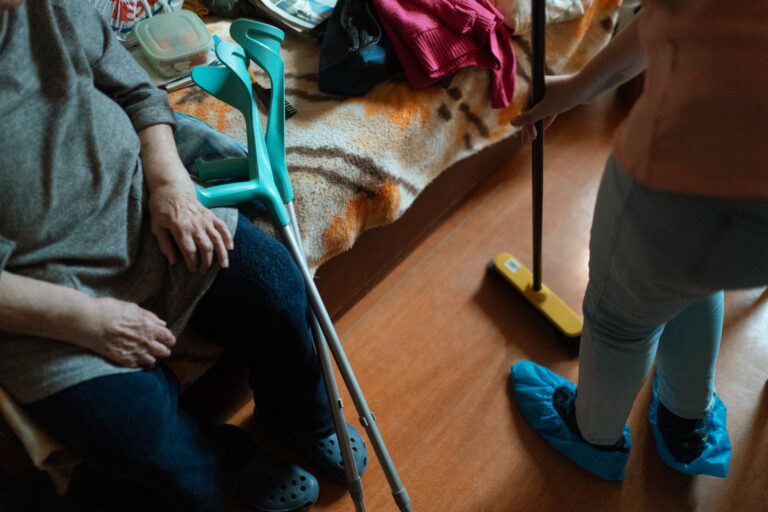
Common signs include confusion and disorientation, worsening memory loss, and trouble planning or doing familiar tasks such as paying bills. Language and judgment problems, personality or behavior changes, weakness, tremor, or walking difficulty also occur.
Symptoms vary by stroke location. Keep brief notes on what changed, when it started, and which tasks became harder, then share that record with the medical team.
Why prevention is the main treatment
No drug is FDA-approved specifically for vascular dementia. According to the Alzheimer's Association, clinicians may try Alzheimer's medicines for modest early benefit, but core care controls blood pressure, diabetes, cholesterol, heart disease, and smoking to prevent further strokes Alzheimer's Association overview.
Vascular injury often mixes with Alzheimer's changes, so doctors use exams and brain imaging rather than symptoms alone. Lost function is generally irreversible, which makes stopping the next stroke urgent.
How to make home and driving safer
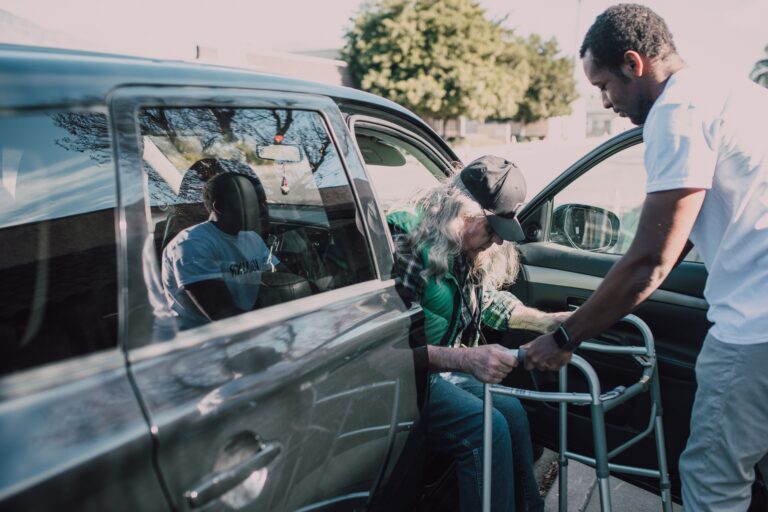
Reassess abilities as dementia progresses. According to the National Institute on Aging, caregivers should secure exits and medications, use door alarms, identification, recent photos, good lighting and clear walkways, lock or remove firearms, and supervise cooking and driving decisions NIA home-safety checklist.
Small changes reduce harm and wandering risk. Try these steps:.
- Put locks, alarms, and night-lights on exits and hallways.
- Lock medicines, knives, tools, cleaning products, and firearms.
- Keep walkways clear, remove rugs that slip, and label key rooms.
- Stop driving when judgment, reaction time, or navigation slips, and arrange other rides.
What helps each day
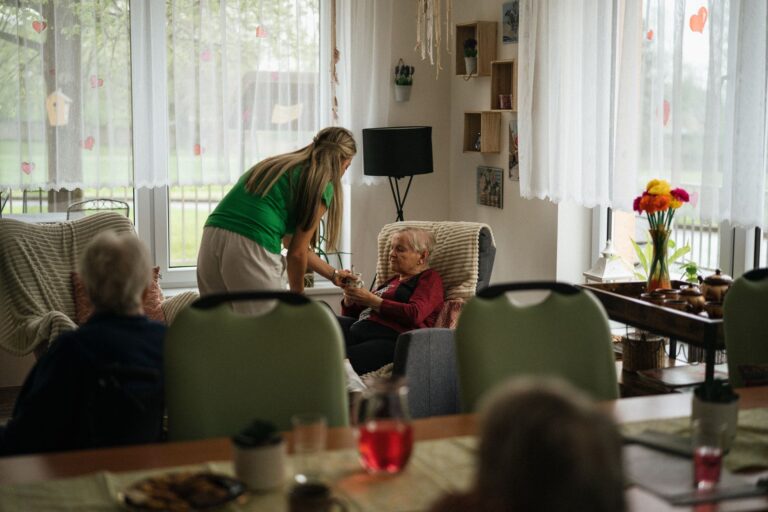
Keep a consistent routine with calendars, lists, and medication reminders. Give directions in short, simple steps, allow extra time, and plan advance directives early.
Use respite care, adult-day programs, and caregiver support before exhaustion builds. Treat sudden new confusion or weakness as a possible stroke emergency and seek urgent care at once.