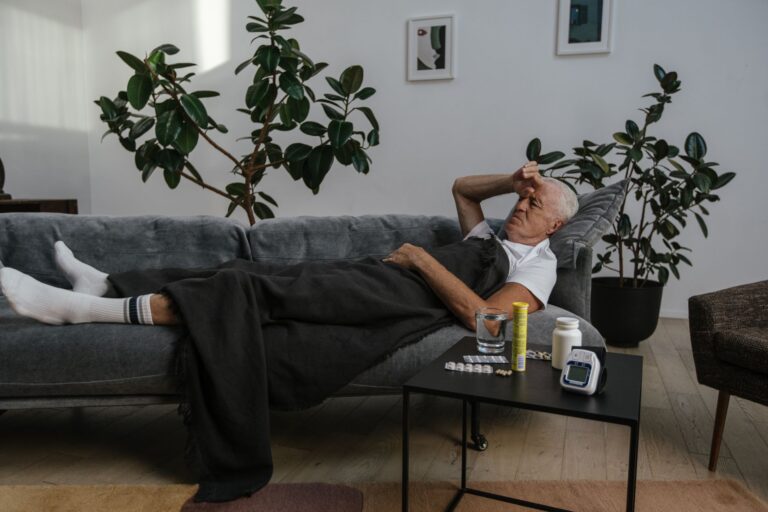
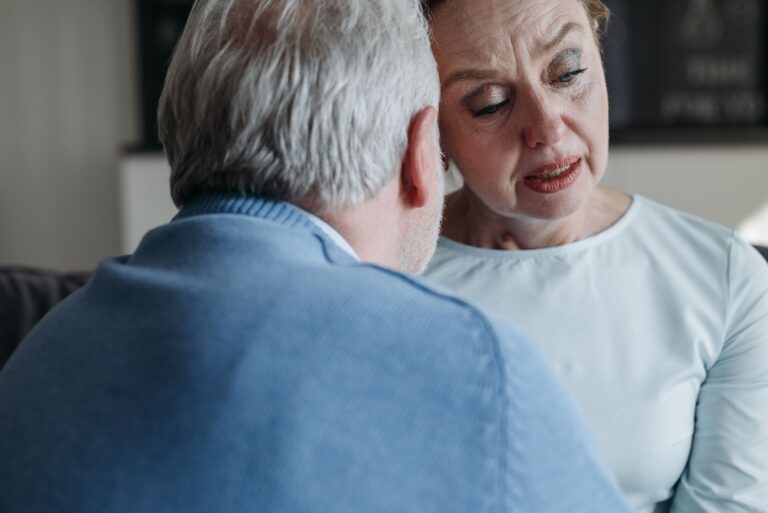
Track untreated pain in a dementia prevention plan by keeping a daily pain diary with date, location, 0-10 intensity, duration, quality, triggers, and effects on function and sleep, as described in the GeriatricPain.org pain diary guide. If the person cannot reliably self-report, have a regular caregiver score observable signs at rest and with movement.
A pain diary is a dated written record you share with clinicians. It matters more when Alzheimer's runs in the family because a first-degree relative raises risk, according to the Alzheimer's Association. A clear pain record helps separate a treatable problem from a brain-health risk.
Medical information disclaimer: This article is for general educational purposes only and does not provide medical advice, diagnosis, or treatment. Always consult a physician or other qualified health professional about symptoms, medications, tests, or treatment decisions.
Table of Contents
- Why does persistent pain matter for memory?
- How does family history change the plan?
- What should you record each day?
- What if pain cannot be put into words?
- How do you turn records into care decisions?
Why does persistent pain matter for memory?
UCSF researchers followed about 10,000 adults over age 60 for 12 years. They found persistent moderate-to-severe pain was linked with 9.2 percent faster memory decline and higher dementia probability, according to the UCSF findings reported by News-Medical. A UK Biobank analysis of 354,943 adults also tied multisite chronic pain to higher dementia risk and faster decline.
Pain at five or more sites carried 1.59-fold higher dementia risk than no pain, according to the PNAS analysis of UK Biobank data. The same research program linked multisite pain to greater hippocampal shrinkage. The hippocampus supports memory, and the IASP summary of the PNAS work equated one pain site to about one extra year of hippocampal aging at age 60.
How does family history change the plan?
A parent or sibling with Alzheimer's raises personal risk compared with the general population, according to the Alzheimer's Association. Inheriting one copy of APOE-e4 raises risk further, though the gene is neither necessary nor sufficient to cause disease. That history does not set a diagnosis.
It raises the value of acting on changeable risks. The 2024 Lancet Commission named 14 modifiable factors, including hypertension, hearing loss, high LDL, diabetes, smoking, depression, inactivity, and isolation, together accounting for about 45 percent of cases, as reported by Alzheimer Europe. Place pain tracking beside blood pressure, hearing, exercise, sleep, mood, and social contact. Bring all of them to the same primary-care or brain-health visit.
What should you record each day?
Pick one notebook, app, or printed form and use it every day. Record at the same times, such as morning and evening, plus after any pain flare. Note untreated hours, not only treated pain.
Write "no relief tried" when nothing was tried. That gap is the signal your clinician needs. Keep entries short and factual. Two weeks of steady notes beats a perfect month that stops.
- Date and time pain started and how long it lasted
- Location, 0-10 intensity, and quality such as aching, burning, or throbbing
- What aggravated it, what helped, and what medication or remedy was used
- Effect on walking, chores, mood, and sleep
What if pain cannot be put into words?
Watch for wincing, guarding, restlessness, sighing, or refusing movement. These signs often appear during dressing, bathing, walking, or transfers rather than at rest. For this situation, GeriatricPain.org provides the PAINAD tool.
It scores breathing, vocalization, facial expression, body language, and consolability from 0 to 2 each for a 0-to-10 total, observed at rest and with movement, according to the PAINAD instructions from GeriatricPain.org. Ask one or two regular caregivers to do the scoring. Keep the rater, time of day, and activity constant so scores can be compared. Share the total plus what was happening just before.
How do you turn records into care decisions?
Bring the diary and PAINAD sheets to each visit. Point to pattern, not one bad day. Ask whether pain control, physical therapy, sleep care, mood care, hearing checks, or medication review should change.
Remember the limit of the science. Pain-dementia studies are observational, and some used prescriptions or claims data in place of direct pain ratings, so they show association rather than proof that untreated pain causes dementia, as noted in Clinical Pain Advisor coverage of related research. Use the record to shorten time to treatment. Circle the three worst function losses from the past two weeks and ask what to try first.