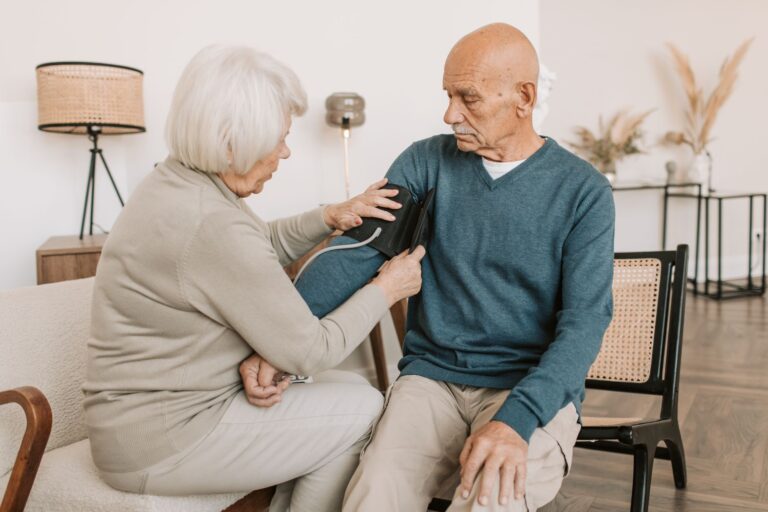
Privacy and data access gaps in 2026 dementia research leave family caregivers with less direct access than approved researchers. Caregivers hold no independent right to a relative's research or care records, while vetted scientists can obtain de-identified data under formal agreements.
ALZ-NET is the national Alzheimer's treatment registry. It collects clinical and brain-imaging data to study approved anti-amyloid therapies. Families mainly see summaries, not individual records.
Medical information disclaimer: This article is for general educational purposes only and does not provide medical advice, diagnosis, or treatment. Always consult a physician or other qualified health professional about symptoms, medications, tests, or treatment decisions.
Table of Contents
- Why caregivers cannot simply request records
- How ALZ-NET controls treatment data
- How wider research sharing affects families
- Where information fails to reach caregivers
- What caregivers can do now
- Frequently Asked Questions
Why caregivers cannot simply request records
Family relationship alone does not create access to health records. According to HHS Office for Civil Rights guidance, only a formally designated personal representative must receive inspection and copying access, such as a health-care-power-of-attorney holder under state law personal representative guidance.
Without that legal status, clinics and research sites can withhold records. This matters when a person with dementia can no longer request files or give clear permission. Advance designation avoids delays during treatment decisions and care planning.
How ALZ-NET controls treatment data
ALZ-NET gathers regulatory-grade clinical and neuroradiology data on FDA-approved anti-amyloid therapies. Its purpose is real-world study under Medicare coverage-with-evidence-development, meaning coverage tied to continued data collection. No row-level data moves without a comprehensive data-use agreement.
According to the American College of Radiology policy, outside researchers must file a Data Access and Use Request for committee review, while families see only aggregated de-identified dashboard data ALZ-NET access policy. De-identified means names and direct identifiers are removed. Aggregation means results are grouped, so no single patient can be identified.
How wider research sharing affects families
The same controlled model applies beyond ALZ-NET. Investigators using Alzheimer's Disease Neuroimaging Initiative data must sign an agreement limiting use to science, teaching, or trial planning. Federal policy also expects data from publicly funded studies to enter governed repositories. A January 2026 study described practical and ethical barriers reported by Alzheimer's researchers.
A March 26-27, 2026 Georgia State workshop then brought federal agencies, researchers, and participants together to improve ethical sharing. Alzheimer Europe also found participation and sharing gaps in an April 2026 report and called for stronger cross-country ethical and practical supports. For caregivers, the effect is indirect. Family-provided genetic, imaging, and clinical information may support later studies without returning personal results to the family.
Where information fails to reach caregivers
Many diagnoses never reach patients and caregivers for planning. According to Yale News reporting on a JAMA Network Open study, about 42% of 3,278 U.S. adults 65 and older with Medicare-documented dementia did not report their diagnosis when surveyed Yale summary of the diagnosis-reporting study.
That gap affects services, safety planning, and research invitations. A separate review of 24 FDA-cleared AI devices for Alzheimer's and related dementia found limited public reporting on disease type, age, sex, race, or ethnicity. Caregivers therefore have little basis to judge accuracy or bias across groups.
What caregivers can do now
Keep copies of designations, consent forms, and data-sharing notices with care documents. Bring them to clinic visits and screening appointments.
- Confirm whether a health-care power of attorney or other personal-representative designation exists under state law.
- Ask the care team how the diagnosis is recorded and who can view test results.
- Ask research staff what data will be shared, in what form, and whether results return to families.
- Request written summaries of diagnosis, treatment eligibility, and follow-up plans for services and benefits.
Frequently Asked Questions
Can I join a registry to get my relative's individual research results?
Registries generally provide grouped, de-identified summaries rather than personal records. Ask the study team before enrollment what, if anything, returns to families.
Does signing a research consent give ongoing access to treatment records?
No. Research consent and health-record authority are separate. Separate legal designation controls inspection and copying of care records.
Why might a diagnosis appear in records but not in conversation?
Chart diagnoses do not always reach patients and caregivers clearly. Ask the clinician to state the diagnosis directly and document the care plan.
You Might Also Like
- Social Connection in the 2026 WHO Dementia Guideline: What Adults in Midlife Can Track Without Self-Diagnosing
- Smoking and Alcohol in the 2026 WHO Dementia Guideline: What Adults in Midlife Can Track Without Self-Diagnosing
- Cognitive Training in the 2026 WHO Dementia Guideline: What Adults in Midlife Can Track Without Self-Diagnosing