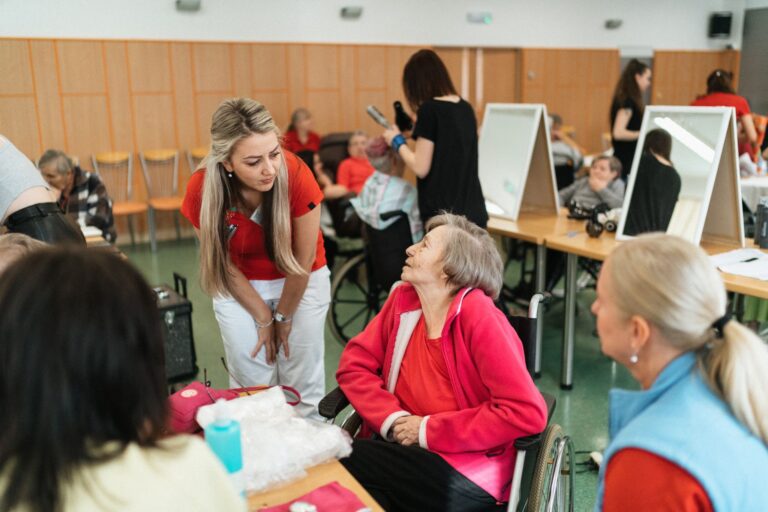
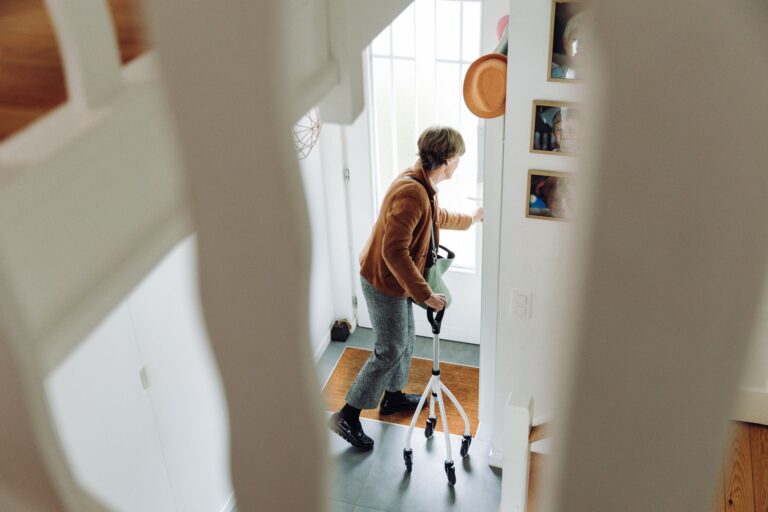
This caregiver checklist for refusing toileting help in dementia is stay calm, explain each step, offer simple choices, keep a regular bathroom routine, and make the toilet easy to find and use. Refusing toileting help means the person resists assistance with getting to the toilet, undressing, sitting, wiping, or changing after an accident. That resistance often reflects fear, embarrassment, or concern about dignity and modesty rather than defiance. A short, steady approach plus a predictable routine can lower distress, reduce accidents, and protect skin and comfort.
Medical information disclaimer: This article is for general educational purposes only and does not provide medical advice, diagnosis, or treatment. Always consult a physician or other qualified health professional about symptoms, medications, tests, or treatment decisions.
Table of Contents
- Why does toileting help feel threatening?
- How do you respond calmly in the moment?
- What routine and bathroom changes prevent accidents?
- When should you call a clinician and what helps after accidents?
Why does toileting help feel threatening?
People with advanced dementia may not recognize the urge to go, the toilet, or the caregiver's intent. A closed door, cold seat, rushed approach, or being undressed by another person can feel frightening or shaming. According to the UCLA Health Alzheimer's and Dementia Care Program, refusal often comes from fear, embarrassment, or a threat to dignity and modesty in its caregiver-training page on refusal.
Viewing the behavior as self-protection helps the caregiver slow down instead of arguing or forcing help. Memory loss also breaks the link between urge, place, and action. The person may wait too long, hide wet clothing, or push help away because the steps no longer make sense.
How do you respond calmly in the moment?
Pause, lower your voice, and keep your movements slow and visible. State one step at a time, such as "I will help with your pants, then you can sit." According to the UCLA Health Alzheimer's and Dementia Care Program, caregivers reduce fear-driven refusal by explaining each step first, moving slowly, and asking the person to help with what they can in its caregiver-training page on refusal. Offer a small task, such as holding tissue, testing water warmth, or washing their own hands and face.
- Approach from the front and make eye contact before touching clothing.
- Give one choice, not an open question: "Bathroom now or after this song?"
- Allow extra time and praise cooperation briefly.
- Step back and retry in 15 to 20 minutes if distress rises sharply.
What routine and bathroom changes prevent accidents?
A fixed toileting routine helps when urge or location memory fails. According to the Alzheimer's Association, taking the person every 2 to 3 hours and at the same times daily helps prevent accidents and lowers agitation in its guide to incontinence care. Use morning waking, after meals, before outings, before bed, and once overnight as anchors. Make the toilet obvious and safe.
According to Family Caregiver Alliance, leaving the bathroom door open so the toilet is visible, adding a nightlight, raised seat and grab bars, easy-remove clothing, and a bedside commode or urinal at night supports independence and lowers fall risk in its guide to toileting in dementia. Keep the path clear, leave a light on, and avoid-patterned rugs that look like steps or holes. Track timing for a few days, then prompt slightly before the usual accident time. Keep supplies in one spot: gloves, wipes, clean pads, change of clothes, and a lined laundry bag.
When should you call a clinician and what helps after accidents?
Ask a clinician about new or worse incontinence or sudden refusal. Urinary infection, constipation, medication effects, pain, or not recognizing the toilet can cause the change, and some causes respond to treatment. After an accident, act quickly and neutrally.
Change wet clothing and pads, clean gently, pat dry, and check for redness in skin folds. Keep the person clean and dry, wash hands, use gloves as appropriate, and keep protective supplies ready because prolonged wetness risks skin breakdown and urinary irritation. Scheduled toileting, cues, and environmental fixes lower accidents but do not restore continence for everyone. In middle-to-late dementia, incontinence is common, so aim for fewer accidents, preserved dignity, and prompt medical review rather than guaranteed dryness.