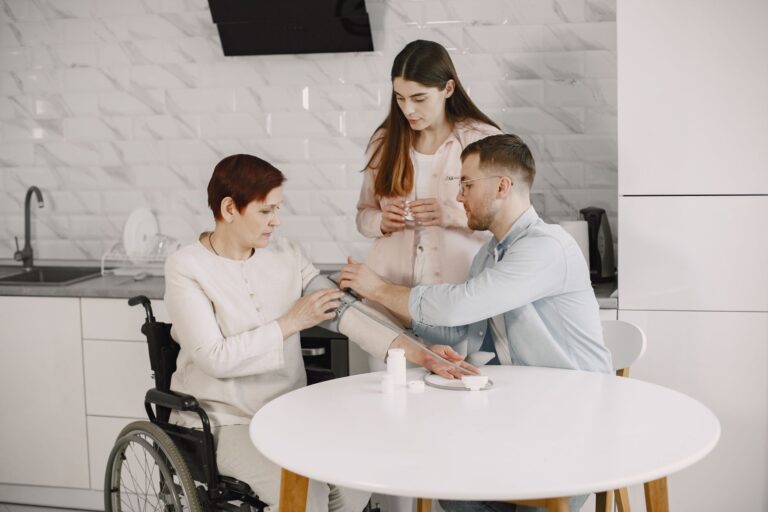
A caregiver training checklist for dementia care covers staffing credentials, fees, safety practices, and red flags for abuse or neglect. Use it to screen a home health agency before hiring and to monitor daily care. A home health aide is a paid worker who helps with bathing, dressing, meals, and house tasks under clinical supervision. People with dementia need steady routines and clear communication, so families should confirm skills in advance.
Medical information disclaimer: This article is for general educational purposes only and does not provide medical advice, diagnosis, or treatment. Always consult a physician or other qualified health professional about symptoms, medications, tests, or treatment decisions.
Table of Contents
- What training should aides have?
- What fees should you clarify?
- How can you check quality and daily safety?
- Which red flags need quick action?
What training should aides have?
According to Cornell LII mirroring the federal regulation, Medicare-certified aides must complete at least 75 hours of training, including 16 hours of classroom instruction before 16 hours of supervised practical training, plus a competency evaluation, as detailed in the federal home health aide training rule. The same federal rule requires at least 12 hours of in-service training every 12 months, which may occur while furnishing care.
Ask the agency for dated training records and competency results for the aide assigned to you. Ask who supervises aides, how often supervisors visit, and how dementia needs are communicated across shifts.
What fees should you clarify?
According to Genworth and CareScout, long-term care costs rose across all types in 2024, with homemaker services for cooking, cleaning, and errands up 10% to a $75,504 national median annual cost, as reported in the 2024 Cost of Care Survey results. The survey also found two-thirds of agencies now charge the same rate for homemaker and home health aide work.
Get the hourly rate in writing, with minimum hours, evening and weekend rates, and cancellation rules. List exact tasks for each visit, such as meals, laundry, bathing help, and rides, so bills match the plan.
How can you check quality and daily safety?
According to the Centers for Medicare & Medicaid Services, the agency publishes 29 home-health quality measures and condenses 9 of them into a single Quality of Patient Care star rating for Medicare-certified agencies with enough episodes, explained in the Home Health Compare star-ratings fact sheet. Use the rating as a practical shortcut for comparing staffing quality, then read the underlying measures.
There is no federal requirement for background checks, and a 2015 HHS Office of Inspector General review found all sampled agencies did varying checks, so state rules govern disqualification. Ask what checks the agency runs, what disqualifies an applicant, and how it handles infection control, including CDC standard precautions for hand hygiene after contact with blood, fluids, or contaminated items and after glove removal, plus gloves, gowns, masks, or eye protection based on exposure.
Which red flags need quick action?
According to the National Institute on Aging, warning signs an older adult may face abuse or neglect include withdrawal, agitation, and changes in appearance or belongings, described in the National Institute on Aging elder-abuse guide. Watch for new patterns during and after aide visits, not a single bad day. Contact the agency supervisor, the person's doctor, or local adult protective services right away if you see these signs.
- withdrawal, agitation, or fear around a worker
- messy appearance, unexplained bruises, burns, or bedsores
- missing glasses, walker, medications, or unpaid bills despite adequate funds