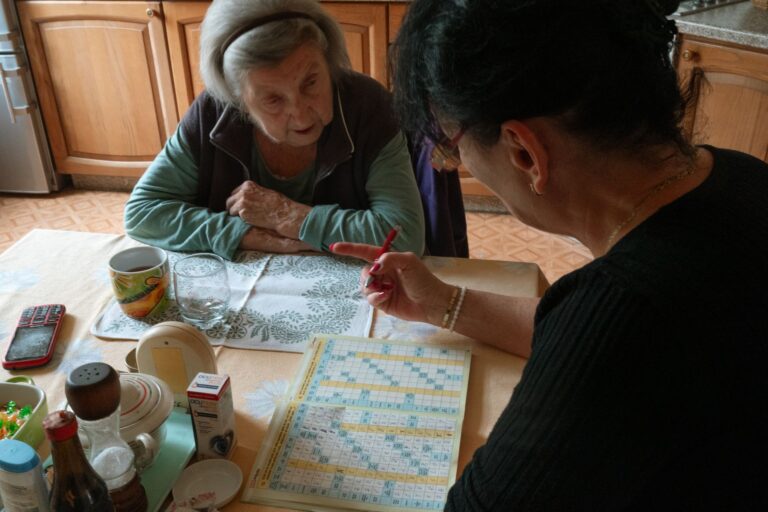
Food pocketing means holding chewed food in the cheeks, under the tongue, or along the gums without swallowing. Caregivers should treat it as a swallowing safety issue that calls for close supervision, simpler foods, and prompt professional review. Pocketing is common in dementia because attention drops and swallow coordination slows, according to CPD Online College in its guide to choking and dysphagia. It often signals that chewing and swallowing are no longer working together well.
Medical information disclaimer: This article is for general educational purposes only and does not provide medical advice, diagnosis, or treatment. Always consult a physician or other qualified health professional about symptoms, medications, tests, or treatment decisions.
Table of Contents
- Why does dementia cause pocketing?
- What harm can pocketed food cause?
- How should you handle meals?
- Which foods help and when should you get an assessment?
Why does dementia cause pocketing?
Dementia disrupts the brain signals that sequence chewing and swallowing. Tongue movement weakens, mouth sensation fades, and the person may forget to swallow after chewing. People with middle- and late-stage Alzheimer's often develop these swallowing problems.
Eating then brings choking, food refusal, and weight loss that force caregivers to change the diet. Distraction and fatigue make pocketing worse. A person may chew, pause, and hold food instead of finishing the swallow.
What harm can pocketed food cause?
Retained food does not stay harmless in the cheek. It can slip into the airway later and cause delayed aspiration, even after the meal seems over. Another bite taken before the mouth is clear raises choking risk.
Caregivers may see coughing, a wet voice, extra throat clearing, or food still visible after swallowing. Pocketing can also reduce intake. Food held in the mouth is food not swallowed, so meals drag on and weight loss follows.
How should you handle meals?
Sit the person fully upright for every meal and snack. Offer small bites of one food at a time and allow extra time to finish each bite.
The VA Dementia Caregiver Web Support recommends direct cues and mouth checks in its eating and oral care guide. Use this routine: Stay present through the whole meal. Do not rush, talk over the person, or offer drinks as a quick flush without a clear swallow.
- Seat upright, with head slightly forward and feet supported.
- Offer one small bite, then cue "chew" followed by "swallow."
- Watch the throat and listen for a clear swallow.
- Check cheeks, gums, and under the tongue for residue before the next bite.
Which foods help and when should you get an assessment?
Choose soft, moist, cohesive foods that form a smooth bolus. Sauces, gravy, and gentle moisture help food clear the mouth in one swallow. Lewy Body Dementia Canada advises these textures and warns against dry, crumbly, or hard foods in its guide to reduce swallowing problems.
Avoid crackers, dry toast, tough meat, raw hard vegetables, nuts, and crumbly pastries. Ask the clinician for a referral to speech-language pathology for a full swallowing assessment, as recommended by the American Speech-Language-Hearing Association in its swallowing screening guidance. No bedside screening test predicts aspiration well enough on its own, so screening only shows whether deeper assessment is needed. Report pocketing, coughing, food refusal, or weight loss promptly and bring notes on problem foods.