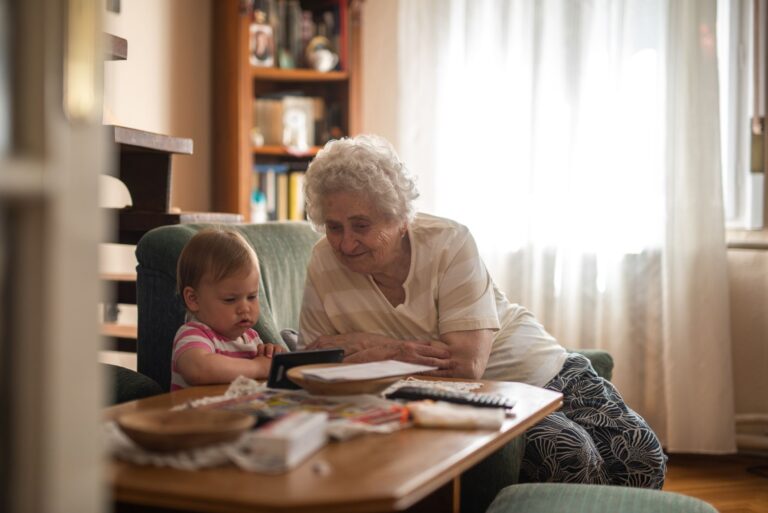
Dementia support groups and family caregiving work best as partners, not rivals. Compare them by function: groups provide coping skills and peer guidance, while family caregiving provides daily supervision and personal care.
A dementia support group is a facilitated meeting where caregivers and people in early stages share strategies and support. Family care covers most daily dementia care in the United States. The choice is rarely either-or, because ongoing hands-on care often needs outside backup to stay sustainable.
Medical information disclaimer: This article is for general educational purposes only and does not provide medical advice, diagnosis, or treatment. Always consult a physician or other qualified health professional about symptoms, medications, tests, or treatment decisions.
Table of Contents
- What Support Groups Offer
- What Family Caregiving Demands
- Why Counseling Plus Groups Shows Stronger Results
- How to Build a Combined Plan
What Support Groups Offer
The Alzheimer's Association offers free caregiver and early-stage groups led by trained facilitators by phone, video, or in person. The same source also provides the ALZConnected online community and a 24/7 Helpline at 800-272-3900, according to the Association's support-groups page.
Groups focus on practical problem-solving, emotional support, and plain information about dementia. Early-stage groups include people living with symptoms, while caregiver groups focus on family needs. That shared structure helps caregivers learn routines, communication methods, and local resources.
What Family Caregiving Demands
Family caregiving is large, time-intensive work. In 2025, about 12.7 million family and unpaid caregivers provided an estimated 19.6 billion hours of dementia care, averaging nearly 30 hours weekly, according to the Association's November 2025 caregiver notice.
It also lasts for years. Over half of dementia caregivers provide care for four or more years, and almost one-third assist for five-plus years, according to CDC caregiver data. Long schedules can harm the caregiver's own health, and CDC reports about 1 in 8 caregivers age 45 and older notes worsening confusion or memory loss, according to CDC memory-loss research.
Why Counseling Plus Groups Shows Stronger Results
A tested model paired support groups with counseling. The NYU Caregiver Intervention combined six counseling sessions, weekly support-group access, and on-demand counseling.
That package reduced caregiver burden and depressive symptoms. Benefits continued even when the person with dementia moved to residential care. A separate Brown-led simulation found four non-drug dementia-care programs cut societal costs and nursing-home admissions while improving quality of life.
How to Build a Combined Plan
Formal educational and support groups alone may be insufficient for isolated family caregivers. Researchers recommend added individualized help and support within caregivers' natural social networks. Families can instead pair home caregiving with counseling, groups, and backup care rather than treating groups and family care as mutually exclusive.
- Keep daily family care for meals, safety, medication routines, and companionship.
- Add counseling plus an ongoing caregiver support group.
- Arrange respite, adult-day, or care-management help before exhaustion sets in.
- Use Community Resource Finder or the helpline to locate nearby options.