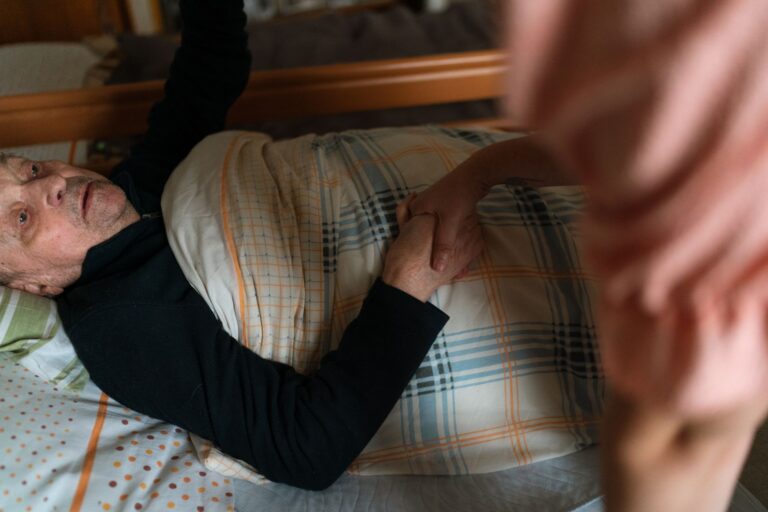
Common caregiver mistakes around nail-care resistance in dementia care are forcing care during a refusal, skipping routine checks, using frightening tools, and cutting high-risk toenails at home. Nail-care resistance means pulling away, saying no, or striking out when nails are touched. Skipped nails can cause real harm, and forced care can cause more. Small changes in timing, tools, and technique lower fear and keep nails safer.
Medical information disclaimer: This article is for general educational purposes only and does not provide medical advice, diagnosis, or treatment. Always consult a physician or other qualified health professional about symptoms, medications, tests, or treatment decisions.
Table of Contents
- Why does forcing care make refusal worse?
- What happens when nails get skipped?
- Do tools and timing raise fear?
- Which toenails need a podiatrist?
Why does forcing care make refusal worse?
Forcing bathing or nail care during refusal often turns a no into hitting, spitting, biting, or screaming. According to UNC Bathing Without a Battle, that escalation endangers both the person and the caregiver, as described in the UNC guide to bathing without a battle.
Person-centered bathing takes the opposite path. It protects control, comfort, and calm communication during intimate care. In NIH-funded trials of person-centered bathing rated on over 500 videotaped baths, the Commonwealth Fund reports aggressive behavior fell 56 percent, agitation fell 62 percent, distress fell 67 percent, and crying and screaming time fell 38 percent.
What happens when nails get skipped?
Neglected fingernails and toenails in dementia can breed infection and cause pain. Memory Matters Utah says caregivers should check nail length and cleanliness during routine grooming, as explained in the Memory Matters Utah grooming guide.
Make the check brief and regular. Look at fingers and toes, note long edges, dirt, redness, or breaks in skin. Then choose a calm moment for care rather than adding it to a rushed bath.
Do tools and timing raise fear?
Yes. Clippers and straight razors can look threatening up close.
Care.com, summarizing the Alzheimer's Association, says cardboard nail files and electric shavers or razors feel less threatening, and switching to electric razors early improves safety. Timing and setting matter as much as tools. The Alzheimer's Association says caregivers reduce resistance by staying flexible and keeping care warm and private.
- Try another time of day when refusal is firm
- Set out supplies before you start
- Keep the room and water warm
- Preserve modesty and offer simple choices
- Use a sponge or no-rinse soap bath between showers
Which toenails need a podiatrist?
Do not cut very thick, yellowed, or fungus-affected toenails yourself. MedlinePlus says a podiatrist should trim them, especially with diabetes, poor vision, poor circulation, or foot numbness, as stated in the MedlinePlus foot-care instructions. For routine nails, MedlinePlus and Home Instead UK describe the same safer sequence.
Trim after washing when nails are softer, cut straight across without cutting corners or too short, file rough edges, dry well especially between toes, and inspect for cuts, redness, or sores. Expect less resistance, not zero refusal. The ARIIA Aged Care Evidence Theme finds person-centered communication, music, towel and no-rinse baths, and ability-focused care are linked with less resistance, but rates that evidence low to weak and finds no method eliminates refusals. Call the podiatrist before thick, discolored, or diabetic-foot nails become painful.