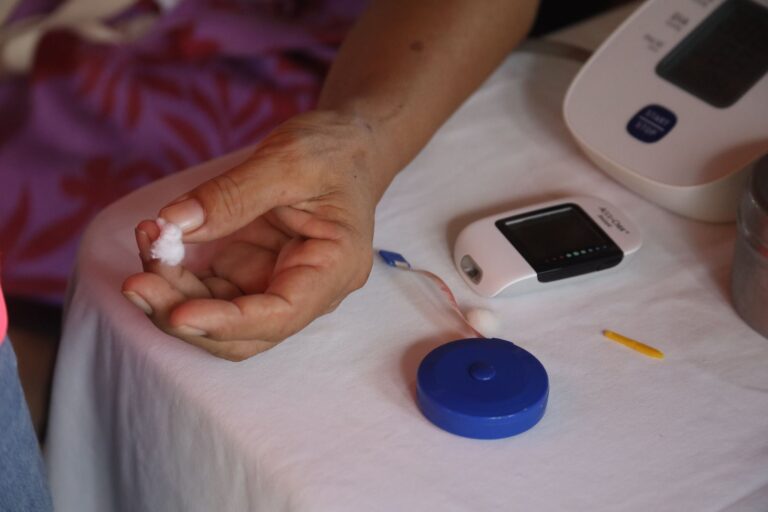
The World Health Organization's second edition of its dementia risk-reduction guideline, published 15 July 2026, recommends managing blood pressure as one of several modifiable steps adults can take to lower their risk of cognitive decline. The recommendation updates WHO's 2026 guideline, which replaces the 2019 first edition with a larger evidence base on what people can actually control. The guideline states that up to 45% of dementia risk comes from modifiable factors, and names high blood pressure alongside diabetes as one of them, according to WHO and the Pan American Health Organization. That figure is the rationale behind the update: dementia is not treated as a fixed outcome of aging but as something shaped, in part, by conditions a person can manage years before symptoms appear.
Medical information disclaimer: This article is for general educational purposes only and does not provide medical advice, diagnosis, or treatment. Always consult a physician or other qualified health professional about symptoms, medications, tests, or treatment decisions.
Official resources:
- Read the official guidance from NIH — Use this primary source to verify the official guidance.
- Read the official guidance from Who — Use this primary source to verify the official guidance.
Table of Contents
- What the 2026 Guideline Actually Says About Blood Pressure
- Why Midlife Is the Window That Matters
- What the Clinical Trial Evidence Actually Shows
- Why There's No Single Target Number
- What This Means for a Decision in Midlife
- Frequently Asked Questions
What the 2026 Guideline Actually Says About Blood Pressure
WHO's updated guideline contains a specific, dementia-focused line on hypertension: managing high blood pressure "may be offered" to adults who already have hypertension, as a way to reduce their risk of cognitive decline or dementia. This recommendation is graded conditional, with very-low certainty of evidence, according to the WHO guideline. Those two qualifiers matter. "Conditional" means the guideline panel is not telling every clinician to apply this to every patient the same way — it depends on the person's circumstances and preferences.
"Very-low certainty" means the research behind it, while suggestive, has not reached the strength of evidence WHO uses for its firmest recommendations. This is a real signal, not a guess, but it is not the same as a guarantee that treating blood pressure will prevent dementia in any one person. Separately, the guideline keeps a broader, long-standing recommendation in place: hypertension should be managed in all adults according to WHO's existing hypertension guidance, regardless of any cognitive benefit, as documented in the WHO/PAHO BIGG recommendation database. In practice, this means blood pressure treatment stands on its own cardiovascular merits first, with a possible cognitive benefit as an additional reason to follow through.
Why Midlife Is the Window That Matters
The guideline's supporting notes point to a specific timing effect: controlling blood pressure during midlife appears to produce a greater long-term cognitive benefit than starting treatment later in life, according to the WHO guideline summary via PAHO. This is the basis for framing blood pressure control as a midlife task rather than something to defer until symptoms of cognitive decline appear. The logic follows from how vascular damage accumulates.
Years of elevated blood pressure affect small blood vessels in the brain gradually, and that damage compounds over time. Addressing blood pressure earlier gives the brain more years without that cumulative strain, which is distinct from treating hypertension after decades of exposure have already occurred. This does not mean blood pressure treatment is pointless after midlife — the general hypertension recommendation applies to all adults regardless of age. It means the cognitive-specific advantage documented in the guideline is strongest when treatment starts earlier, which gives midlife adults a concrete reason to address blood pressure now rather than waiting.
What the Clinical Trial Evidence Actually Shows
The strongest trial evidence behind WHO's recommendation comes from SPRINT MIND, a study of 9,361 adults over age 50 with hypertension and elevated cardiovascular risk. Intensive systolic blood pressure control, targeting under 120 mmHg, reduced the incidence of mild cognitive impairment by 19% compared with standard care — 14.6 cases per 1,000 person-years versus 18.3, according to NIH's reporting on the trial. That same trial found a more mixed result for dementia specifically: the reduction in probable all-cause dementia did not reach statistical significance on its own, which the study authors attributed to too few dementia cases accruing during the follow-up period, per the same NIH report.
Where the trial produced a clear, significant result was the combined outcome of mild cognitive impairment or dementia together: 20.2 cases per 1,000 person-years under intensive control versus 24.1 under standard care. This combined finding is what WHO and other health bodies cite when recommending blood pressure management as a practical step, even though the dementia-only result alone was inconclusive, according to NIH. Readers should understand this distinction: the evidence supports a benefit for cognitive impairment broadly, with a less certain but plausible benefit for dementia specifically.
Why There's No Single Target Number
WHO is explicit that no single optimal blood pressure threshold has been established for cognitive protection. The guideline also notes that isolating hypertension's specific effect on dementia risk is difficult, because high blood pressure typically overlaps with other cardiometabolic conditions and multiple co-existing health problems, according to the WHO guideline notes via the BIGG recommendation database.
This is why the guideline does not prescribe a dementia-specific blood pressure goal, such as "keep systolic pressure under 120." Instead, it points back to WHO's existing, general hypertension management guidance as the standard to follow. A person managing blood pressure for cognitive reasons is, in effect, following the same cardiovascular treatment targets as anyone managing blood pressure for heart or stroke risk.
What This Means for a Decision in Midlife
Given the conditional grading and very-low certainty of the dementia-specific recommendation, the practical approach for midlife adults and their clinicians is to treat blood pressure according to standard cardiovascular hypertension guidelines, rather than chasing a dementia-specific number, per the WHO guideline. The cognitive benefit is a reason to stay consistent with treatment, not a reason to pursue a different, more aggressive target than a cardiologist would otherwise recommend. For someone in midlife weighing this information, a few points carry practical weight:.
- Hypertension diagnosis and treatment should follow the same cardiovascular guidelines regardless of dementia considerations — there is no separate "brain-protective" blood pressure number to aim for.
- The SPRINT MIND evidence supports a benefit for mild cognitive impairment specifically, and a combined benefit for impairment-or-dementia together, rather than a confirmed standalone reduction in dementia cases.
- Starting or maintaining blood pressure treatment earlier in life, rather than after decline has already begun, aligns with the midlife benefit WHO's guideline notes describe.
- The recommendation's "conditional, very-low certainty" grading means it should factor into a conversation with a clinician about overall cardiovascular risk, not stand alone as a dementia prevention plan.
Frequently Asked Questions
Does WHO recommend a specific blood pressure number to prevent dementia?
No. WHO states no single optimal threshold for cognitive protection has been established, so the guideline points to existing general hypertension management targets rather than a dementia-specific number.
Does lowering blood pressure definitely prevent dementia?
The evidence is mixed. SPRINT MIND found a significant reduction in mild cognitive impairment with intensive blood pressure control, but the reduction in dementia alone did not reach statistical significance, partly because too few dementia cases occurred during the trial's follow-up.
Why does the guideline emphasize midlife specifically?
WHO's supporting notes indicate that controlling blood pressure during midlife produces a greater long-term cognitive benefit than starting treatment later in life.
You Might Also Like
- Hearing Aids in the 2026 WHO Dementia Guideline: Practical Evidence-Based Steps for Adults in Midlife
- Air Pollution in the 2026 WHO Dementia Guideline: Practical Evidence-Based Steps for Adults in Midlife
- The WHO 45% Modifiable Dementia Risk Estimate in 2026: Practical Evidence-Based Steps for Adults in Midlife