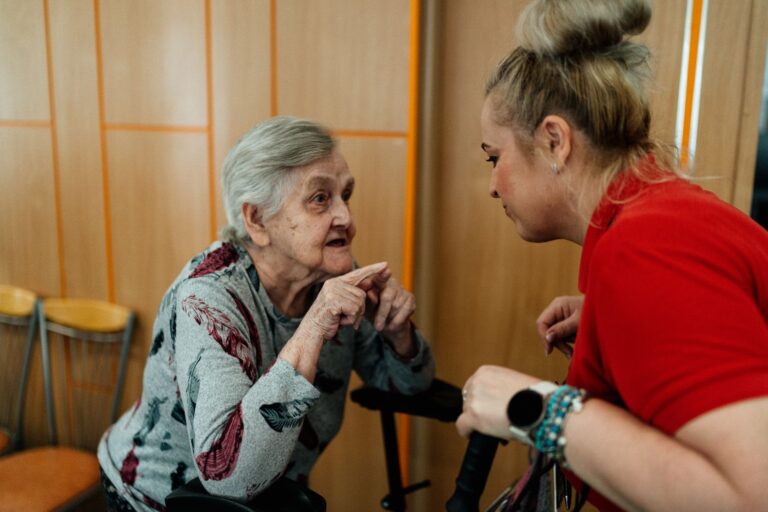
CMS GUIDE caregiver education and training in 2026 means personalized dementia-care coaching, support groups, and direct navigator help for spouses and partners who assist with daily activities. Ask a GUIDE provider what training fits your situation, how your strain score shapes the care plan, and what respite and follow-up you can use. GUIDE stands for Guiding an Improved Dementia Experience Model. It is an eight-year voluntary nationwide test launched July 1, 2024, that pays for care coordination, caregiver education and support, and respite to help people with dementia stay home, as reported by Practical Neurology in its CMS launch report.
Medical information disclaimer: This article is for general educational purposes only and does not provide medical advice, diagnosis, or treatment. Always consult a physician or other qualified health professional about symptoms, medications, tests, or treatment decisions.
Official resource:
- Register through Ellicares’s official page — Use this page to review requirements and register directly.
Table of Contents
- What does caregiver training include?
- How will the provider measure caregiver strain?
- What respite and costs apply in 2026?
- Who can enroll and where must care come from?
What does caregiver training include?
Training is practical and personal. It covers daily-activity help for a relative or unpaid helper, plus support groups, coaching, and direct navigator contact for problem-solving. Spouses and partners count as unpaid caregivers when they help with daily activities.
That status opens training, navigator access, and burden assessment for the caregiver, not only services for the patient. Enrolled families also get a dedicated care navigator, a comprehensive assessment with a person-centered care plan, 24/7 access to a care-team member or helpline, and links to meals, transportation, and community services. Ask: who is our navigator, how do we reach help after hours, and which training matches our daily routine?.
How will the provider measure caregiver strain?
GUIDE teams measure caregiver strain with the 22-item Zarit Burden Interview. The score helps assign moderate- versus high-complexity tiers, according to the Journal of the American Geriatrics Society in the GUIDE burden-measure study. The score also affects payment.
It is a performance measure carrying upside payment weight from 2026. That gives clinics a reason to take the survey seriously. Ask: when will you do my burden interview, what did my score change in the care plan, and when will you repeat it? Bring one recent hard week as an example, such as broken sleep, missed meals, or unsafe wandering.
What respite and costs apply in 2026?
Qualifying caregivers with moderate-to-severe dementia patients can get temporary respite at home, at adult-day centers, or in 24-hour facilities. The cap is $2,625 per patient for the performance year beginning July 1, 2026, reset yearly, as summarized by Brevy in its GUIDE payment summary.
GUIDE services including monthly care management and respite carry no beneficiary cost because CMS waives coinsurance and deductibles for them. Regular Medicare costs for other care still apply. Ask: do we qualify for respite now, which settings are open near us, how much of the yearly amount remains, and who books coverage? If you need a break soon, ask for two options: one in-home shift and one facility or day-program date.
Who can enroll and where must care come from?
Only people with confirmed dementia in Original Medicare Parts A and B who live in the community can join. People in Medicare Advantage, PACE, hospice, or long-term nursing or memory care do not qualify.
Care must come from a GUIDE participant found on the CMS GUIDE site. Before a visit, check the directory and bring Medicare cards, dementia diagnosis papers, and a list of daily tasks you help with.
- Are you a GUIDE participant for our address?
- Is our Original Medicare and community-living status eligible?
- What training dates, support group, navigator contact, and respite request come next?
You Might Also Like
- CMS GUIDE Caregiver Education and Training in 2026: Eligibility and Participation Questions for Spouses and Partners
- CMS GUIDE Caregiver Education and Training in 2026: Care-Planning Implications for Spouses and Partners
- Evidence-Based Dementia Caregiver Programs Expanding in 2026: Cost and Access Questions for Long-Distance Caregivers