The 2026 WHO update tells adult children to skip routine vitamin B, vitamin E, omega-3, and multivitamin pills for a parent's memory. Those pills do not reduce cognitive decline, the gradual loss of memory and thinking skills, without a diagnosed deficiency.
Care helps more than extra bottles. WHO released the second edition of its risk-reduction guidelines on 15 July 2026, updating the 2019 edition, according to the WHO announcement. The guidelines apply to adults without dementia, including people with normal thinking or mild cognitive impairment.
Medical information disclaimer: This article is for general educational purposes only and does not provide medical advice, diagnosis, or treatment. Always consult a physician or other qualified health professional about symptoms, medications, tests, or treatment decisions.
Official resources:
- Read the official guidance from Who — Use this primary source to verify the official guidance.
- Read the official guidance from Who — Use this primary source to verify the official guidance.
Table of Contents
- Which supplements did WHO rule out?
- Why does WHO advise against routine use?
- What lowers risk instead?
- What should you do for your parent now?
Which supplements did WHO rule out?
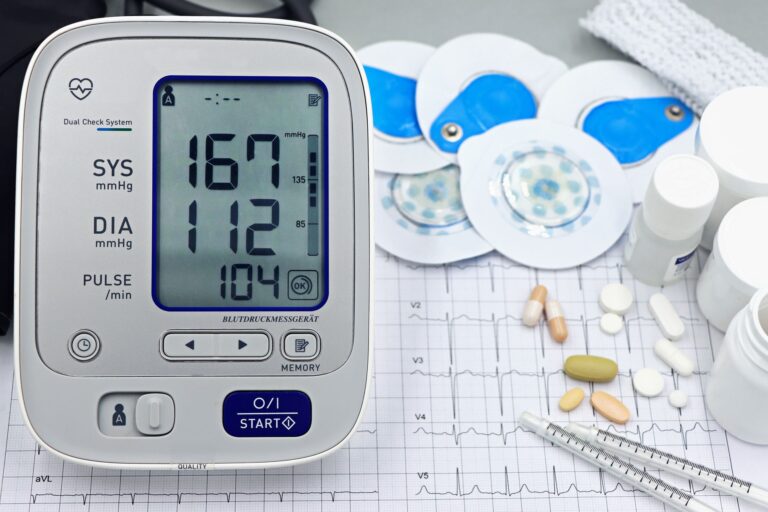
WHO does not recommend vitamin B, vitamin E, omega-3 PUFA, or multivitamin and mineral supplements to slow decline or prevent dementia without deficiency. The advice covers healthy older adults and those with mild impairment. It does not cover treatment prescribed for a measured deficiency.
A deficiency means blood work or a clinical exam shows the body lacks a nutrient. In that case, follow the clinician's dose and recheck plan. Do not use the same dose for another family member.
Why does WHO advise against routine use?
The caution reflects lack of evidence that possible benefits outweigh unexpected harmful effects in people without deficiency, according to the PAHO summary of the guidelines. A pill can still cause side effects, interact with other drugs, or delay needed care. Stopping an unneeded pill removes those risks.
Prevention matters because more than 57 million people live with dementia globally, with nearly 10 million new cases each year and no widely available cure, according to UN News reporting on the guidelines. That scale makes proven daily habits more valuable than store claims. Money saved on pills can fund walks, produce, or a checkup.
What lowers risk instead?
WHO points to exercise, no tobacco, less alcohol, a healthy diet, less air-pollution exposure, and control of hypertension, diabetes, and high cholesterol. These steps support blood vessels that feed the brain. They also help sleep, mood, and balance.
For a parent, small routines work best. Ask about hearing, keep social contact weekly, and add thinking tasks like cooking, cards, or classes. Keep blood pressure, blood sugar, and cholesterol visits on schedule.
What should you do for your parent now?
Do not start or restock a "brain" pill to prevent dementia. Gather current bottles, note doses, and ask the clinician whether testing for deficiency is needed.
Ask what exercise, diet change, or vascular target matters most this year. Use the visit to replace the pill routine with a written care plan and a follow-up date.
- Bring all pills and supplements to the next visit
- Ask about blood pressure, cholesterol, diabetes, hearing, mood, and sleep
- Pick one habit to start: daily walks, smoke-free home, or fewer drinks
- Plan social and thinking time each week, not screen ads
You Might Also Like
- Healthy Diets in the 2026 WHO Dementia Guideline: What the Update Means for Adult Children
- Vitamin Supplements in the 2026 WHO Dementia Guideline: What Is Established and What Is Still Being Studied for Family Caregivers
- Young-Onset Dementia Cost Gaps Identified by NIA in 2026: A 2026 Follow-Up Checklist for Adult Children