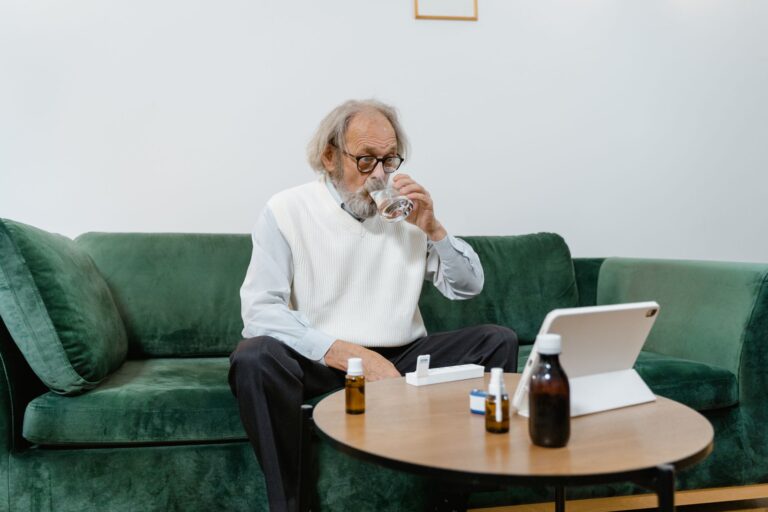
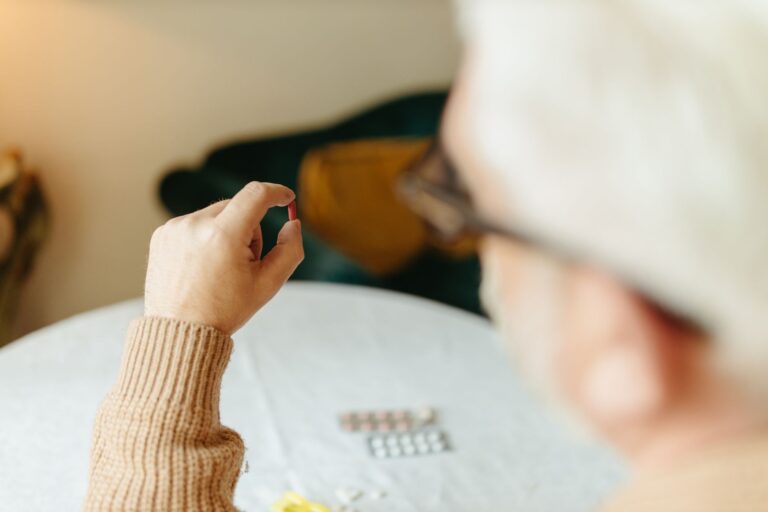
The WHO guideline does not recommend vitamin B, vitamin E, omega-3, or multivitamin pills to lower dementia risk without a diagnosed deficiency. Proven risk reduction comes from movement, diet, vascular control, and avoiding tobacco, excess alcohol, and air pollution.
Dementia here means lasting decline in memory and thinking that makes daily tasks hard. WHO released the second edition of its risk-reduction guidelines on 15 July 2026, updating the 2019 edition. UN News reports more than 57 million people live with dementia worldwide, with nearly 10 million new cases each year.
Medical information disclaimer: This article is for general educational purposes only and does not provide medical advice, diagnosis, or treatment. Always consult a physician or other qualified health professional about symptoms, medications, tests, or treatment decisions.
Official resource:
- Read the official guidance from Who — Use this primary source to verify the official guidance.
Table of Contents
- What does the guideline say about supplements?
- When should caregivers ask about deficiency?
- What helps lower risk today?
- What is still being studied?
What does the guideline say about supplements?
The rule covers vitamin B, vitamin E, omega-3 PUFA, and multivitamin or mineral supplements. WHO states these products do not prevent cognitive decline or dementia in adults without deficiency, according to the WHO announcement. The limit applies only when no deficiency has been diagnosed.
Cognitive decline means a gradual drop in memory, attention, or judgment. PAHO/WHO finds no proof that benefits outweigh unexpected harmful effects for non-deficient adults, according to the PAHO summary. That finding argues against self-started prevention.
When should caregivers ask about deficiency?
The supplement limit ends when a clinician diagnoses a deficiency. UN News notes caregivers should seek testing and medical advice rather than routine preventive use. A low blood level calls for a personal plan, not a store-shelf routine.
Ask the clinician whether testing fits the person's diet, medicines, and symptoms. Bring current pills, doses, meals, and any weight loss or fatigue. Use the visit to review food sources before adding pills.
What helps lower risk today?
WHO lists daily habits and vascular care as established risk-reduction steps, described in the WHO announcement. These actions support brain and heart health at the same time. They do not guarantee prevention.
Pick one small change and tie it to an existing routine. A short walk after lunch, smoke-free rooms, and steady sleep times are easier to keep. Track blood pressure, medicines, and clinic targets in one shared list.
- support regular physical activity suited to ability
- stop tobacco, limit alcohol, and eat a healthy diet
- control blood pressure, diabetes, and cholesterol
- reduce exposure to polluted air where possible
What is still being studied?
WHO says hearing aids may be offered to adults with hearing loss as part of dementia risk reduction. That option is still evolving rather than a universal prescription. A hearing check can show whether testing or referral makes sense.
WHO estimates up to 45% of dementia risk could be prevented or delayed by acting on modifiable factors. UN News reports the evidence remains incomplete and no cure exists. Bring the pill bottles, diet notes, and hearing concerns to the next appointment.
You Might Also Like
- Healthy Diets in the 2026 WHO Dementia Guideline: What Is Established and What Is Still Being Studied for Family Caregivers
- Vitamin Supplements in the 2026 WHO Dementia Guideline: How the Advice Compares With Common Online Claims for Family Caregivers
- Healthy Diets in the 2026 WHO Dementia Guideline: How the Advice Compares With Common Online Claims for Family Caregivers