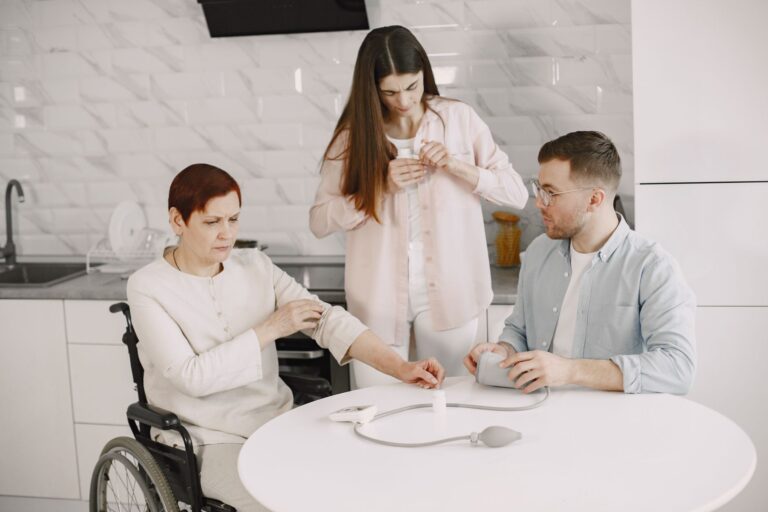
Track chronic inflammation — persistent, low-level immune activity — by asking your clinician about repeat high-sensitivity CRP blood tests and logging each result. Watch the trend over time, not a single number, and review shifts alongside blood pressure, activity, diet, and thinking skills. A prevention plan matters more when relatives are affected. The Alzheimer's Association reports having a parent or sibling with Alzheimer's raises risk, and more than one affected relative raises it further, as detailed on the Alzheimer's Association genetics page.
Medical information disclaimer: This article is for general educational purposes only and does not provide medical advice, diagnosis, or treatment. Always consult a physician or other qualified health professional about symptoms, medications, tests, or treatment decisions.
Table of Contents
- Why Family History Matters for Prevention
- What Inflammation Tests Actually Measure
- How Do You Track Inflammation Over Time?
- What Can a Result Not Tell You?
- Which Daily Habits Strengthen Your Plan?
Why Family History Matters for Prevention
Family history sets the audience for this plan. One affected parent or sibling puts you in a higher-risk group than the general population. Two or more affected close relatives raise that concern further.
That risk is not a prediction. It is a reason to act earlier and track change. A written plan helps you and your clinician spot drift and respond.
What Inflammation Tests Actually Measure
Standard CRP testing is general. An elevated result shows inflammation somewhere but cannot give location or cause, so clinicians often order an ESR sedimentation-rate test alongside it. MedlinePlus Medical Encyclopedia also describes a more sensitive high-sensitivity CRP assay that detects lower CRP levels for heart-disease risk assessment, which makes hs-CRP practical for repeat tracking, as explained in the MedlinePlus Medical Encyclopedia CRP article.
Think of hs-CRP as a smoke alarm, not a fire map. It signals the amount of systemic inflammation. It does not name the source.
How Do You Track Inflammation Over Time?
Pick one marker and repeat it the same way. Ask your clinician whether hs-CRP fits your history and other risks.
Record the date, recent illness, and medicines with each draw, since short-term infection can move the number. Keep the log simple and steady. A notebook or phone note works when you bring it each time.
- Ask if hs-CRP, with or without ESR, fits your plan
- Log each result, date, illness, and medicine changes
- Compare trends across visits, not single spikes
- Bring the log when you review blood pressure and habits
What Can a Result Not Tell You?
A high result deserves attention, not alarm. It confirms inflammation is present.
It cannot by itself locate disease or forecast decline. A 2023 systematic review in the Journal of Clinical Neuroscience found higher peripheral CRP signaled greater risk of moving from normal cognition to dementia, especially vascular dementia. The same review found CRP could not alone predict future cognitive decline, according to the Journal of Clinical Neuroscience review abstract.
Which Daily Habits Strengthen Your Plan?
Inflammation tracking works best inside a broader routine. Pair your log with blood-pressure control, regular activity, a balanced diet, and cognitive engagement.
These habits support brain and vessel health together. In an NIA-funded study of nearly 3,000 participants, people with four or five healthy behaviors had about 60% lower Alzheimer's risk than those with zero or one, according to the National Institutes of Health news release. Bring your inflammation log to each visit and update one habit at a time.