Dancing in memory care means adapted movement with music to support mood, connection, and thinking in people living with dementia. Group sessions share rhythm and contact, while one-on-one dance tailors seated steps and mirroring for limited mobility or advanced dementia.
Dance/movement therapy adds a therapeutic aim: emotional, cognitive, physical, and social integration. It uses verbal cues plus nonverbal movement. That combination helps when words are hard to find or follow.
Medical information disclaimer: This article is for general educational purposes only and does not provide medical advice, diagnosis, or treatment. Always consult a physician or other qualified health professional about symptoms, medications, tests, or treatment decisions.
Table of Contents
- What does research suggest about dance and memory?
- How do group dances work?
- How does one-on-one dance work?
- How to choose a safe session?
What does research suggest about dance and memory?
Dance/movement therapy means psychotherapeutic use of movement for emotional, cognitive, physical, and social integration. The American Dance Therapy Association gives that definition, as reported by Today's Geriatric Medicine in its overview of movement therapy and aging. Researchers followed a Bronx cohort age 75 and older for a median 5.1 years. Frequent dancing was the only one of 11 physical activities linked to lower dementia risk.
Reading, board games, and instruments showed a similar link, according to the New England Journal of Medicine study by Verghese and colleagues. A 2021 systematic review focused on older adults with mild cognitive impairment in dance groups. They scored better than controls on memory and balance measures, according to researchers at Beijing Dance Academy. Gains appeared on MMSE, MoCA, Wechsler Memory Scale, and Berg Balance Scale tests.
How do group dances work?
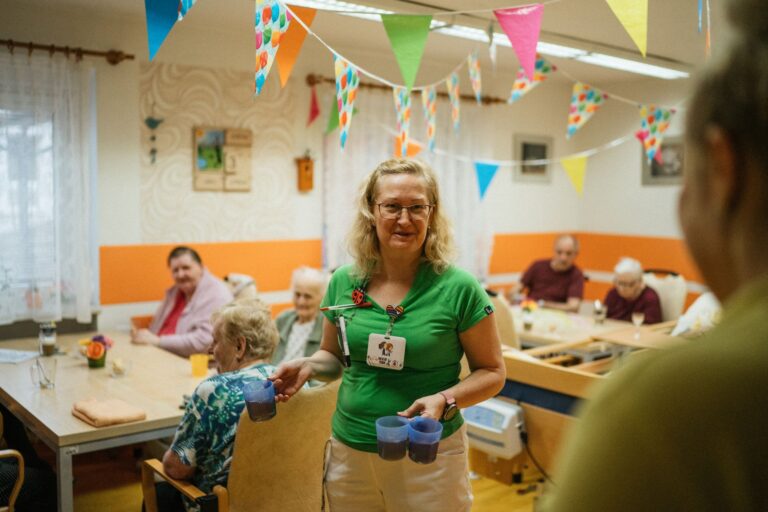
Circle-dance groups use holding hands, simple repeated steps, gentle rocking, mirroring, and music-linked reminiscence. Researchers summarizing dementia circle-dancing studies from 2012 to 2021 connect those tools to engagement and less isolation. The dementia circle-dance review points to emotional, social, and cognitive benefits in its summary of circle-dance studies. Programs like TimeDances combine music, dance, storytelling, and imagination for people with Alzheimer's and neurocognitive conditions.
No dance experience is required, according to Dance for PD with the Mark Morris Dance Group. A pilot of 18 people included 11 with moderate-to-severe dementia and 7 carers. After 45-minute weekly circle dance for 10 weeks, the group reported better well-being, concentration, communication, and mood. The Hamill, Smith and Röhricht pilot is summarized by IRISS.
How does one-on-one dance work?
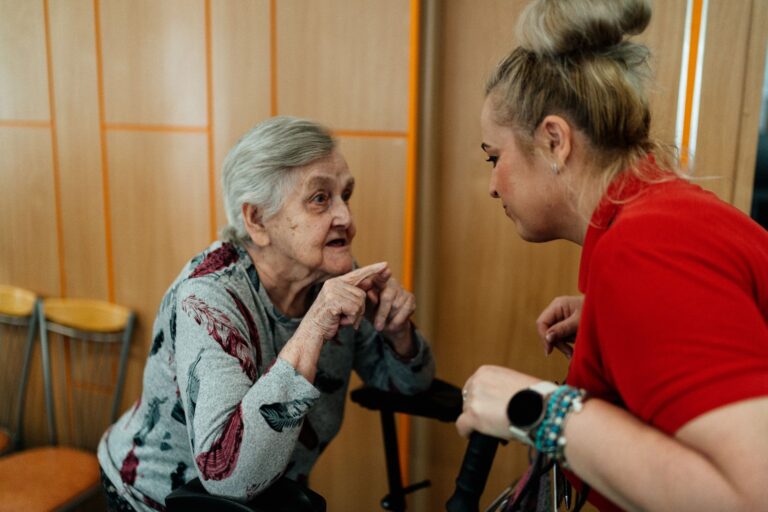
One-on-one dance keeps the person seated or closely supported with a carer. Care UK describes seated chair dance, toe-tapping to favourite music, clapping, and partner mirroring in its guide to dementia-friendly exercises. This format suits limited mobility, fatigue, or advanced dementia.
The carer sets pace, offers eye contact, and mirrors small moves. Short songs, familiar tunes, and clear pauses keep attention without strain. A carer might start with ankle circles to music, then add hand taps and shoulder sway. If balance or focus fades, return to breathing and listening together.
How to choose a safe session?
With capability assessment and tailored design, exercise can improve walking, balance, flexibility, and reduce falls in dementia. That finding comes from Today's Geriatric Medicine.
Planners should favor short seated or supported sessions with risk assessment. Longer programs help more than one-offs. Use these checks before joining: Bring favourite music and stay beside the person throughout.
- Ask about mobility, vision, hearing, and fall history.
- Choose seated or supported places with clear floors and chairs.
- Start with one short weekly session and build slowly.