Yes, dancing can work for moderate or advanced dementia — stages when memory, judgment, and daily tasks need daily help — when the dance is adapted. Research shows adapted tango, line dancing, and gesture-based dance support movement, mood, and participation at these stages.
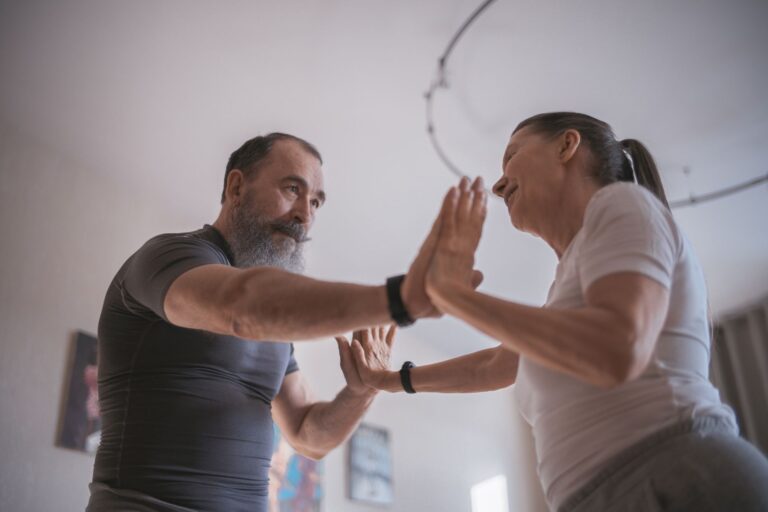
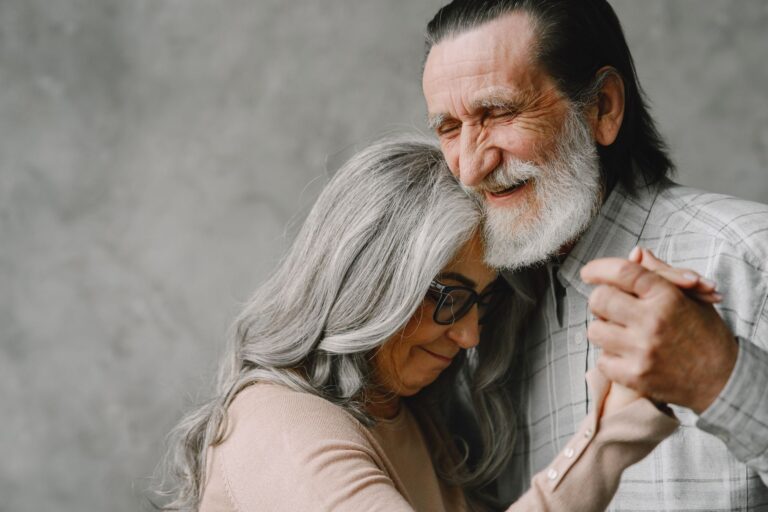
Tango therapy offers one clear signal. BMC Geriatrics reported that older people with moderate-to-severe dementia improved gait speed and had slower decline in mobility and daily-living skills than peers doing physical exercise in the BMC Geriatrics trial. The gain came from partnered, supervised practice, not complex choreography.
Medical information disclaimer: This article is for general educational purposes only and does not provide medical advice, diagnosis, or treatment. Always consult a physician or other qualified health professional about symptoms, medications, tests, or treatment decisions.
Table of Contents
- What can change?
- What does a workable session look like?
- Why do simple steps and old favorites help?
- How can caregivers set up safe dance time?
What can change?
Dancers often stay moving longer and need less help with everyday actions. Steps, turns, weight shifts, and standing from a chair give legs, balance, and coordination repeated practice. A familiar rhythm helps people start and keep going without long verbal instructions.
Mood and social connection also shift. The University of Otago team built 10 weekly sessions from familiar music and participants' natural gestures and saw quality-of-life gains after session six, plus memory recall, spontaneous dancing, and joking every session, described in the Otago summary via ScienceDaily. Laughter, eye contact, and clapping matter here because they keep attention and effort up.
What does a workable session look like?
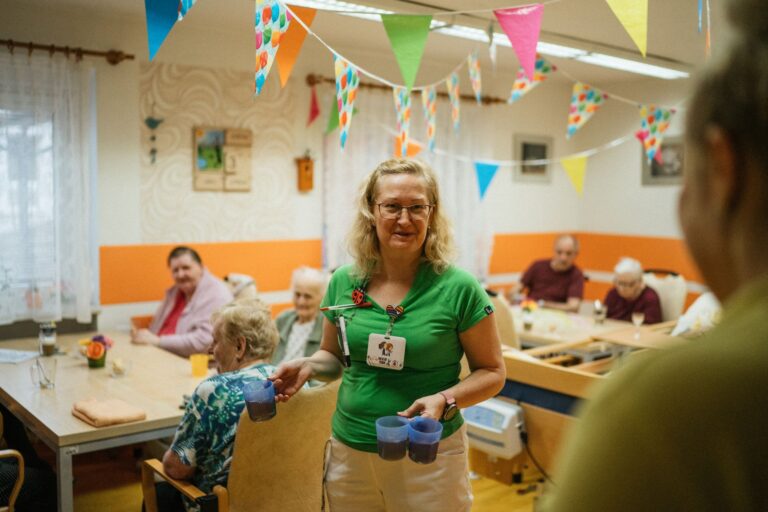
Sessions are shorter in effort than on paper. In a 12-week modified line-dancing program, 16 adults ages 69–97 met for 60 minutes twice weekly, averaged 35 minutes of active dancing, attended over 90% of sessions, and had no falls or balance losses. McKnight's, reporting on the University of West Florida study, also noted that six of eight dancers recalled routines weeks later and showed less agitation than peers doing bingo or puzzles in McKnight's report on the adapted-dance trial.
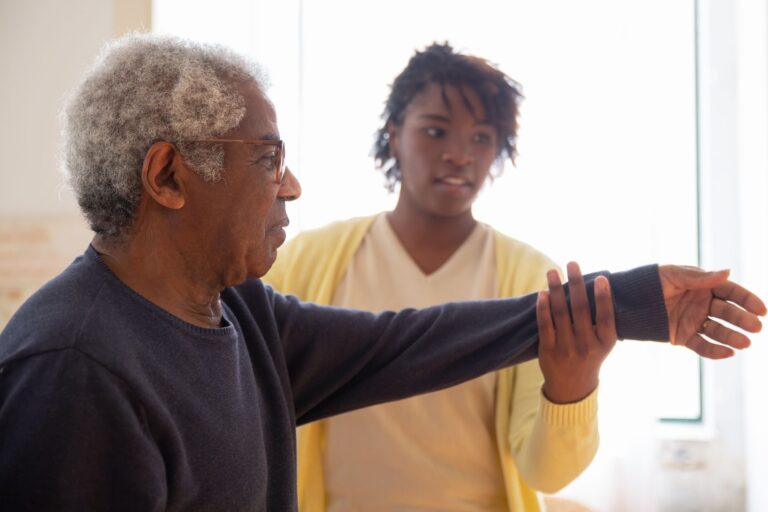
Expect repetition, watching, resting, then joining again. Leaders demonstrate one small pattern, dance it with the group, and repeat it to the same song. Seated dancers tap, sway, clap, or move arms while standing dancers step.
Why do simple steps and old favorites help?
Late-stage dementia weakens new learning, word finding, and quick reactions. Familiar songs reduce the need for verbal cues because the beat tells the body when to step. Simple patterns such as side-together-side, box step, and Charleston keep choices low and success high.
Natural gestures bridge gaps further. Reaching, swaying, tapping shoulders, or miming everyday actions let people join without remembering a sequence. Partners, aides, or family members provide timing through hand contact, eye contact, and matched movement.
How can caregivers set up safe dance time?
Keep the setup small, supervised, and flexible. MedicalXpress, describing the adapted-dance approach, points to adapted steps, seated options, familiar reminiscent music, supervision, and short active bouts as ways to include people with physical or cognitive limits in MedicalXpress on the adapted-dance trial.
Use sturdy chairs, clear floor space, and supportive shoes. End the playlist with one calm familiar song and the same closing movement each time.
- Pick two or three familiar songs with a steady beat.
- Teach one pattern at a time, then repeat it to the same song.
- Offer seated and standing versions of every move.
- Keep active bouts short, with rest and water between songs.
- Stay close, guard turns, and stop if fatigue, pain, or distress appears.