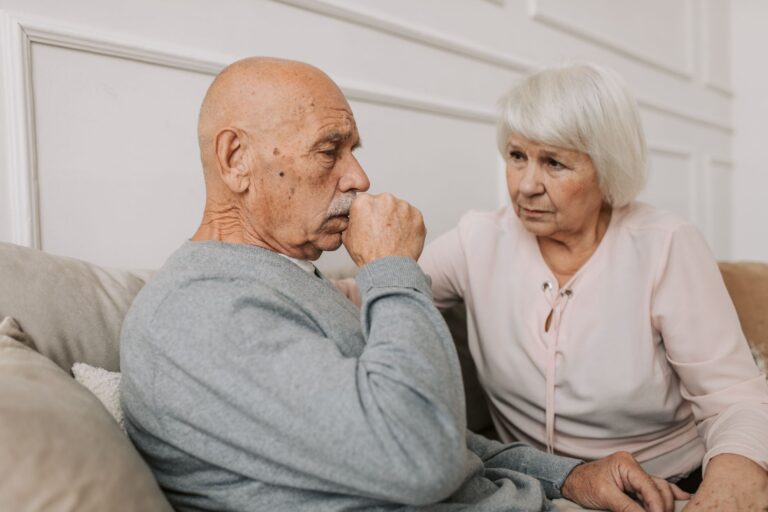
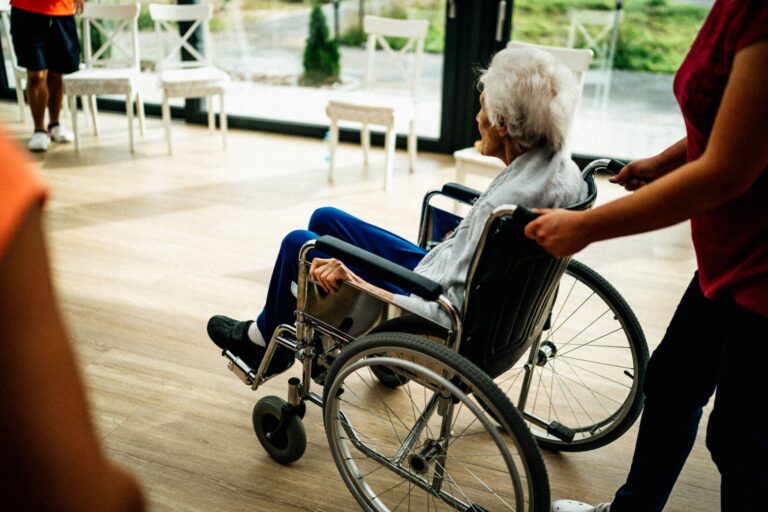
The 2026 LiBBY trial studied 120 hospice-eligible adults with Alzheimer's or other dementia and major agitation, not adults with early memory concerns. Its safety and benefit findings apply only to that frail, late-stage group.
LiBBY tested purified oral THC plus CBD against placebo for 12 weeks at 10 U.S. sites with home visits, according to the Alzheimer's Association release. Agitation here means severe restlessness, aggression, or distress that threatens comfort and care at the end of life.
Medical information disclaimer: This article is for general educational purposes only and does not provide medical advice, diagnosis, or treatment. Always consult a physician or other qualified health professional about symptoms, medications, tests, or treatment decisions.
Table of Contents
- Who was enrolled in LiBBY?
- Who was not studied?
- What treatment was actually tested?
- Did agitation improve?
- What safety signals need attention?
Who was enrolled in LiBBY?
Participants had DSM-5 major neurocognitive disorder with an agitation score of 4 or higher. They also had hospice enrollment or advanced severity, defined as FAST stage 6D or higher or ADEPT score 12 or higher.
The group averaged 80 years old, was 55% female, and was 84% White. All had clinically significant agitation plus hospice-level illness, so they were already receiving intensive supportive care.
Who was not studied?
That gap matters for brain-health readers. NeurologyLive reported the age, sex, race, and severity profile of the 120 patients in its trial summary. A memory-clinic patient living independently does not match that profile.
- Adults with early memory concerns without dementia
- Adults with mild cognitive impairment
- Adults with mild dementia without severe agitation
- Adults without hospice-level or advanced functional severity
What treatment was actually tested?
Active treatment was oil formulation T2:C100, with 2 mg THC plus 100 mg CBD taken twice daily. Patients took half dose in week 1, then full dose of 4 mg THC and 200 mg CBD daily in weeks 2 through 12.
It was a measured pharmaceutical oil, not smoked cannabis or a dispensary product. Dose, purity, and supervision differ sharply from over-the-counter cannabis oils, edibles, or smoked products.
Did agitation improve?
THC/CBD met the primary endpoint with 6.27 points greater reduction on the Cohen-Mansfield Agitation Inventory than placebo at week 2. The sustained benefit was 8.23 points greater through week 12.
Clinician-rated global improvement reached 83.9% versus 30.5% on placebo at week 2. By week 12, improvement was 87.2% versus 23.6%, showing rapid benefit for severe end-of-life agitation.
What safety signals need attention?
Overall adverse events were similar at 46.7% on THC/CBD versus 42.4% on placebo, according to the NeurologyLive safety report. Serious adverse events were higher on active treatment at 23.3% versus 11.9%, driven by serious infections at 11.7% versus 1.7%. Deaths during 12 weeks were higher with active treatment at 13.1% versus 5.1% on placebo.
Investigators judged no serious adverse events related to study drug in this frail end-of-life population. These are 12-week topline results in 120 predominantly White patients with advanced dementia. Families concerned about memory loss should discuss agitation, sleep, medications, and hospice or palliative options with their own care team rather than trying a cannabis product on their own.
You Might Also Like
- LiBBY Trial Findings for Late-Stage Dementia Agitation in 2026: Who Was Studied and Who Was Not for Adults With Memory Concerns
- AAIC 2026 p-tau217 Alzheimer’s Risk Prediction Research: Who Was Studied and Who Was Not for Adults With Memory Concerns
- p-tau217 Findings a Decade Before Alzheimer’s Symptoms in 2026: Who Was Studied and Who Was Not for Adults With Memory Concerns