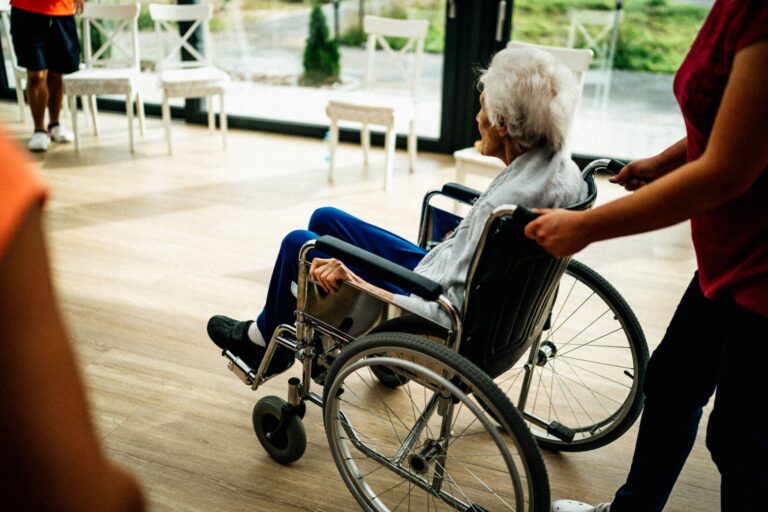
The LiBBY (Life's End Benefits of cannabidiol and tetrahydrocannabinol) trial tested a THC/CBD oil for agitation in 120 hospice-eligible people with late-stage dementia. It did not include adults with early memory concerns, mild cognitive impairment, or dementia without major agitation. The study focused on comfort at the end of life. That focus matters because results do not transfer to earlier memory problems.
Medical information disclaimer: This article is for general educational purposes only and does not provide medical advice, diagnosis, or treatment. Always consult a physician or other qualified health professional about symptoms, medications, tests, or treatment decisions.
Table of Contents
- Who joined the LiBBY study?
- Who was not studied?
- What did treatment involve and change?
- What limits and next steps matter now?
Who joined the LiBBY study?
Participants had late-stage Alzheimer's or another dementia causing major neurocognitive disorder. They met hospice thresholds plus clinically significant agitation. NeurologyLive described the 12-week multicenter design with home visits across 10 U.S.
sites in its trial summary. Mean age was 80, with 55% female participants. About 84% were White and 45% were Hispanic or Latino.
Who was not studied?
The trial did not study adults with early memory concerns or mild cognitive impairment. It also excluded people with dementia without significant agitation and people who were not hospice-eligible.
This boundary was deliberate. The population had end-of-life agitation historically excluded from dementia trials.
What did treatment involve and change?
Treatment used purified oral T2:C100 oil with 2 mg THC and 100 mg CBD per dose. Week 1 used a half dose daily, then Weeks 2-12 used a full dose twice daily. Neuroscience News described this dosing system in its formulation report. Agitation scores fell 10.61 points on treatment versus 4.35 on placebo at Week 2.
That 6.27-point extra reduction continued as an 8.23-point advantage through Week 12. MIMS Hong Kong reported these CMAI results from AAIC in its efficacy report. Clinician-rated global improvement reached 83.9% versus 30.5% on placebo at Week 2. By Week 12, it was 87.2% versus 23.6% for restlessness, aggression, and distress. Neuroscience News reported this rapid response in its improvement summary.
What limits and next steps matter now?
Overall adverse events were similar at 46.7% versus 42.4%. Serious events were higher on active treatment at 23.3% versus 11.9%, with deaths at 13.1% versus 5.1%. Investigators reported no serious event as drug-related.
Findings apply only to the supervised purified formulation and dosing system. They do not apply to dispensary or over-the-counter cannabis. For adults with memory concerns, practical steps are:.
- Seek standard cognitive evaluation for new memory changes.
- Discuss palliative-care options if dementia is advanced with agitation.
- Do not self-treat with cannabis products based on LiBBY.
You Might Also Like
- p-tau217 Findings a Decade Before Alzheimer’s Symptoms in 2026: Who Was Studied and Who Was Not for Adults With Memory Concerns
- AAIC 2026 p-tau217 Alzheimer’s Risk Prediction Research: Who Was Studied and Who Was Not for Adults With Memory Concerns
- Implementation-Ready Dementia Interventions in the 2026 NIA Report: How Adults With Memory Concerns Can Avoid Overreading the Headline