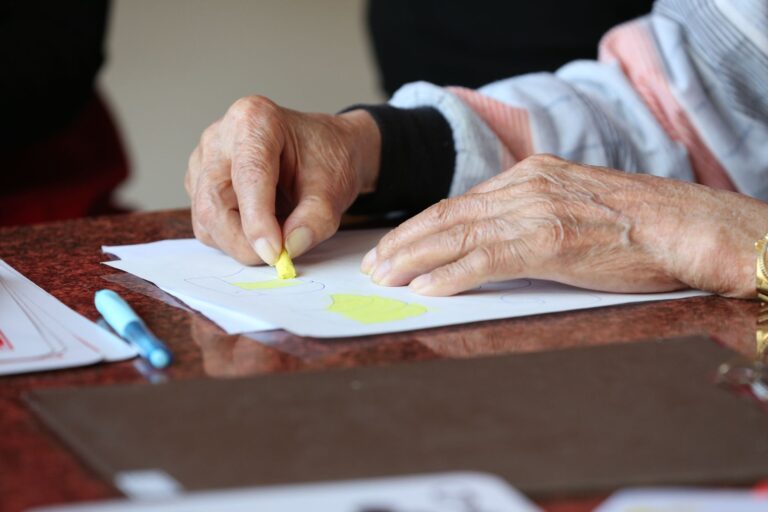
Caring for your 92-year-old mom with Alzheimer's after a femur fracture means staying close, speaking up for fast treatment, and guiding daily recovery. A femur fracture is a break in the long thigh bone, and at her age immobility brings added risks to skin, strength, and thinking.
You will see hospital staff move quickly toward surgery and then daily walking practice. Your role is to keep her comfortable, watch for new confusion, and keep routines steady. This guide explains what to expect and what helps most day by day.
Medical information disclaimer: This article is for general educational purposes only and does not provide medical advice, diagnosis, or treatment. Always consult a physician or other qualified health professional about symptoms, medications, tests, or treatment decisions.
Table of Contents
- What happens first in the hospital?
- Does surgery help with dementia at 92?
- How do you ease pain and catch problems?
- How do you help her move again?
- How do you keep her calm and oriented?
What happens first in the hospital?
Doctors check blood, fluids, heart, blood sugar, and chest infection right away to clear her for surgery. The NICE hip fracture recommendations direct surgery on the day of or the day after admission once blood, heart, and infection issues are corrected. Ask when surgery is planned and what they are correcting first.
Write names, times, and instructions in one notebook you bring to every talk. A break near the top of the thigh bone is often called a hip fracture. Staff may use hip and femur words for the same injury, so repeat back what you hear.
Does surgery help with dementia at 92?
Families often ask if surgery is too much at 92 with Alzheimer's. The break location matters for that choice. MedicalXpress reporting a 2024 dementia hip-fracture study found lower odds of death after surgery for femoral head or neck breaks than without surgery. That survival benefit did not extend to fractures elsewhere in the hip.
Ask the surgeon where the break sits and how that shapes her options. Johns Hopkins researchers found Alzheimer's markers in most spinal-fluid samples from older hip-repair patients without a dementia diagnosis. They cautioned that not every fracture means Alzheimer's and advised close watch for postoperative delirium and cognitive change. Delirium means sudden confusion that comes and goes.
How do you ease pain and catch problems?
Pain makes confusion worse, and your mom may not say she hurts. NICE requires pain checks immediately on arrival, within 30 minutes after first pain relief, and hourly until settled on the ward.
Watch her face and body between checks. Tell the nurse right away about these pain signs: NICE also calls for care that covers pressure sores, food and fluids, delirium, blood clots, and bone health alongside the break. Ask about skin checks, turning, fluids, and clot prevention while she stays in bed.
- grimacing, moaning, or crying
- guarding the leg or pulling away from touch
- restlessness or refusing to move
How do you help her move again?
Movement starts fast. NICE calls for physiotherapy review and movement at least once daily starting the day after hip surgery unless a medical reason forbids it. Physiotherapy means guided exercise and walking practice.
Delayed movement is linked to more complications, longer stay, worse transfers, and higher mortality. Transfers are moves between bed, chair, and toilet. Help her do what the therapist sets, in small tries. Stay beside her for these daily steps:.
- sit on the bed edge, then stand with support
- take short walks with aid as advised
- practice moving to chair and toilet
How do you keep her calm and oriented?
The Alzheimer's Association communication guidance advises caregivers to expect hospital disruption to cause confusion, fear, and agitation. Use calm short sentences, familiar objects and visitors, and steady routines to support orientation and cooperation during recovery. Orientation means knowing where she is and what is happening. Bring her glasses, hearing aids, photos, and a worn sweater to each visit.
Keep one family member with her when you can and keep hellos brief and warm. The archived CDC falls page reports each year at least 300,000 U.S. adults 65 and older are hospitalized for hip fractures. More than 95% are caused by falling, usually sideways, so clear clutter, fix lighting, and ask about balance and bone checks after discharge.